Physical Address
304 North Cardinal St.
Dorchester Center, MA 02124
Physical Address
304 North Cardinal St.
Dorchester Center, MA 02124
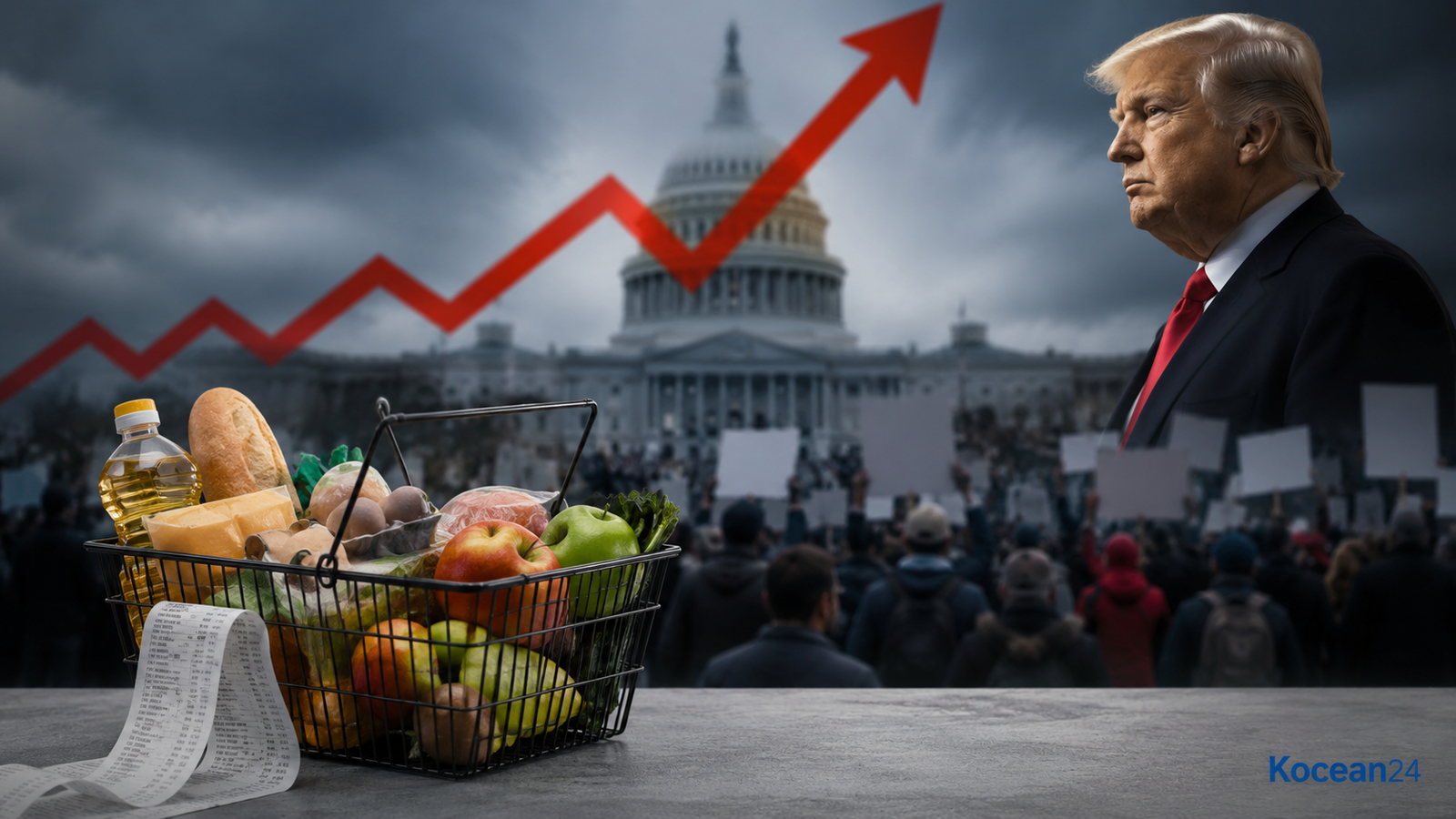
Inflation in US is no longer only a chart for economists. It is now a kitchen table pressure point, a political accusation, and a social mood. When prices rise while a foreign conflict dominates the headlines, citizens do not separate economics from leadership. They connect grocery bills, fuel costs, wages, war spending, and presidential responsibility into one emotional judgment. That is why the latest inflation story matters far beyond April data. It shows how a number can become a civil complaint.
Inflation in US reached 3.8% over the 12 months ending April, according to the Bureau of Labor Statistics. The same release said the Consumer Price Index for All Urban Consumers rose 0.6% in April on a seasonally adjusted basis. (U.S. Bureau of Labor Statistics, May 12, 2026, Consumer Price Index News Release) (https://www.bls.gov/news.release/archives/cpi_05122026.htm)
That number matters because it arrived after months of public frustration over prices. A 3.8% annual rise does not sound dramatic to everyone at first. But households feel inflation through repeated small shocks. A higher grocery bill, a painful fuel refill, a rent increase, and an airfare jump can quickly create the feeling that money is leaking from every side.
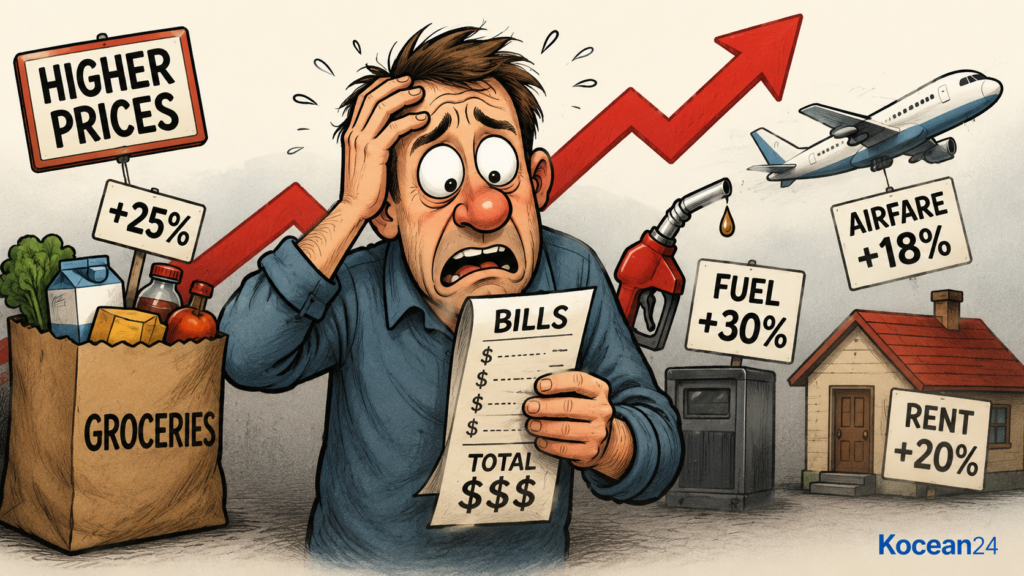
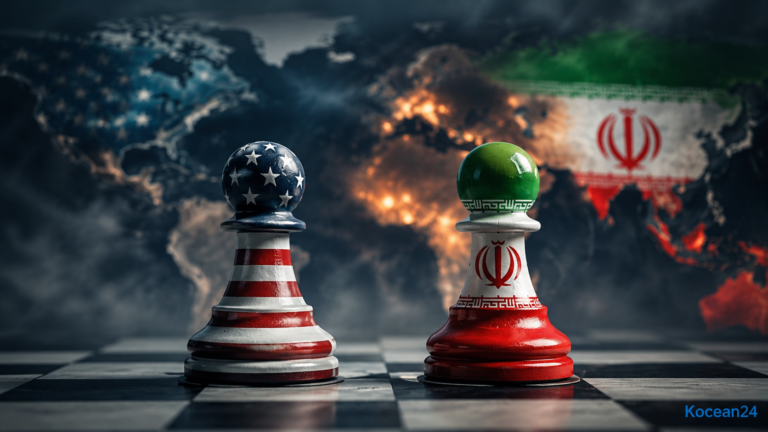
Inflation in US became more politically explosive because the Iran war created a direct link between foreign policy and domestic prices. Reuters reported that US consumer prices increased for a second straight month in April as the war with Iran pushed up energy costs and food prices, raising political risks for President Donald Trump and Republicans ahead of the midterm elections. (Reuters, Lucia Mutikani, May 12, 2026, US annual consumer inflation accelerates amid broad increase in prices) (https://www.reuters.com/business/us-consumer-prices-increase-further-april-2026-05-12/)
Citizens can tolerate some price movement when the cause feels temporary. They react differently when the pressure appears tied to policy choices, military escalation, and leadership messaging.
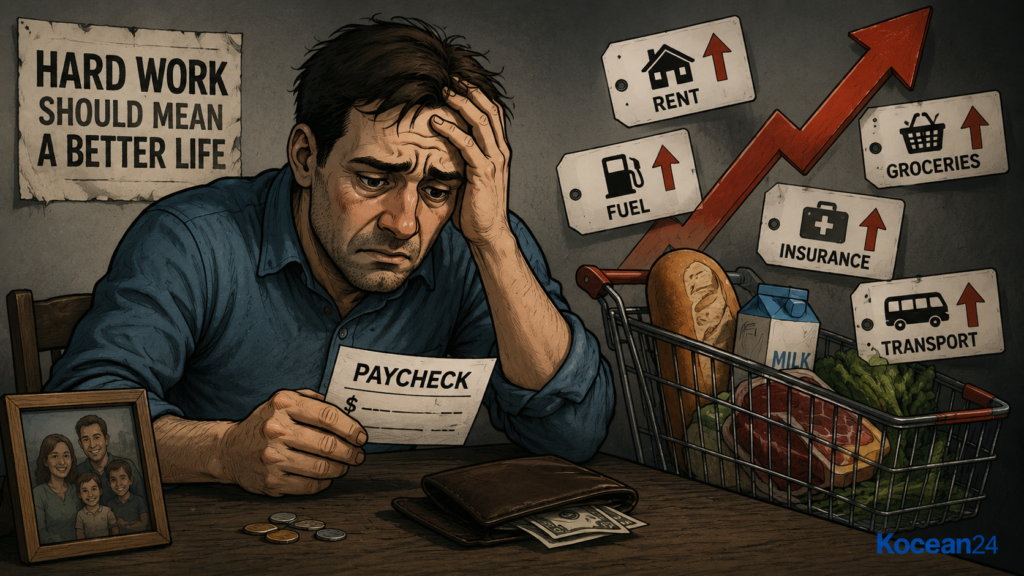
Inflation in US damages more than purchasing power. It weakens the public belief that steady work can still guarantee stability. Workers may technically earn more money over time, but if rent, groceries, fuel, insurance, and transport rise faster than wages, real living capacity declines.
Most citizens do not track CPI categories or Federal Reserve language. They track whether the same paycheck still buys the same week of life. When food portions shrink, savings disappear faster, and emergency expenses feel dangerous again, inflation stops looking like a policy statistic. It starts looking like a system failure.
That is why prolonged inflation creates political anger. People begin to believe effort no longer protects normal living standards. Once that feeling spreads across households, frustration moves from private stress into public resentment.
Inflation in US is increasingly tied to instability around the Strait of Hormuz, one of the world’s most critical oil transit routes. Reuters reported that oil prices rose again after the latest US Iran peace process deadlock intensified supply concerns across global energy markets. (Reuters, Ahmad Ghaddar, May 12, 2026, Oil prices jump on latest US-Iran peace process impasse) (https://www.reuters.com/business/energy/oil-prices-rise-fragile-us-iran-talks-sustain-supply-worries-2026-05-12/)
The economic impact moves far beyond gasoline. Oil is embedded in freight transport, airline operations, food distribution, fertilizer production, industrial manufacturing, plastics, packaging, and retail logistics. When crude prices rise, businesses across multiple sectors face higher operating costs. Those costs are then transferred to consumers through more expensive goods and services.
This is why geopolitical tension in the Gulf rapidly reaches ordinary American households. A disruption near Hormuz can quietly raise the price of groceries, flights, deliveries, and everyday essentials long before the public directly connects inflation to the conflict itself.
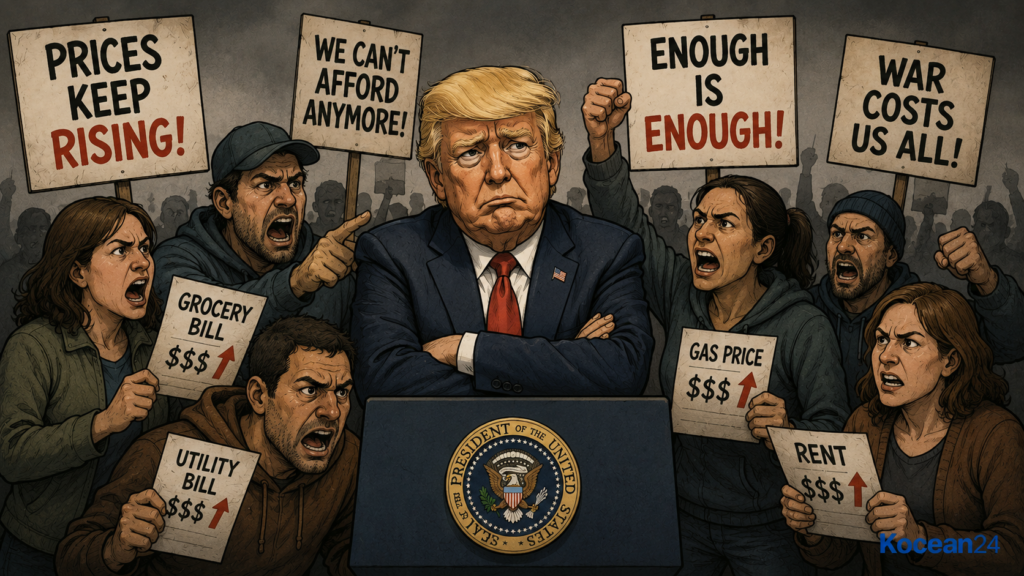
Inflation in US is creating political damage for Trump because economic stress now reaches directly into household survival patterns. The April 3.8% inflation level arrived while fuel prices, transportation costs, groceries, and insurance expenses were already under pressure from Iran war related energy instability. For many middle and lower income Americans, the issue is no longer whether inflation technically slowed from earlier historic peaks.
When citizens repeatedly spend more for the same essentials while hearing optimistic political messaging, trust begins to weaken. That disconnect is turning economic frustration into civil resentment, especially among workers, suburban families, transport dependent households, and younger Americans facing high rent and debt pressure.
This political frustration is growing through multiple layers:
Household Cost Pressure
Many families now experience inflation through repeated weekly exposure rather than one large shock. Grocery receipts, fuel refills, electricity bills, childcare expenses, and rent renewals steadily reinforce the perception that normal living standards are becoming harder to maintain.
War Linked Economic Anxiety
The Iran conflict has intensified fears around oil supply routes and future energy prices. Even when direct shortages do not occur, the expectation of instability affects markets, transport costs, and consumer confidence. Citizens increasingly connect foreign conflict with domestic financial stress.
Erosion of Economic Confidence
Public anger grows faster when people feel effort no longer guarantees stability. Workers may still remain employed, but if savings shrink, emergency expenses become dangerous, and debt dependence rises, economic participation starts feeling psychologically insecure.
Political Credibility Risk
Inflation becomes politically explosive when official explanations fail to match lived experience. Citizens compare government messaging with their own bills, wages, and purchasing power. Once that gap widens, economic frustration often transforms into broader distrust toward leadership itself.
Inflation in US cannot be separated from the growing instability inside the Gulf energy system. Kocean24 recently examined how the UAE’s OPEC exit raised concerns about weakening producer coordination and long term supply discipline during Iran war pressure. (Kocean24, Ava Grace, May 5, 2026, UAE OPEC Exit on May 1: Could It Trigger a Wider Oil Crisis) (https://kocean24.com/uae-opec-exit-trigger-oil-crisis/)
The April inflation rise therefore reflects more than temporary fuel volatility. It signals a broader energy environment where military tension, producer fragmentation, shipping insecurity, and oil market uncertainty increasingly move together. The Strait of Hormuz alone handles a major share of global crude exports, meaning instability in the Gulf can rapidly affect transportation costs, industrial production, food distribution, and consumer pricing across the United States.
Inflation in US has become more than an economic indicator. It is now a test of political trust, civil patience, and national direction. The 3.8% April figure matters because it landed during Iran war pressure, rising energy costs, and visible frustration against Trump. People are not only asking why prices are rising. They are asking who created the conditions that made life feel harder. That question will shape the next chapter of American politics.