Physical Address
304 North Cardinal St.
Dorchester Center, MA 02124
Physical Address
304 North Cardinal St.
Dorchester Center, MA 02124
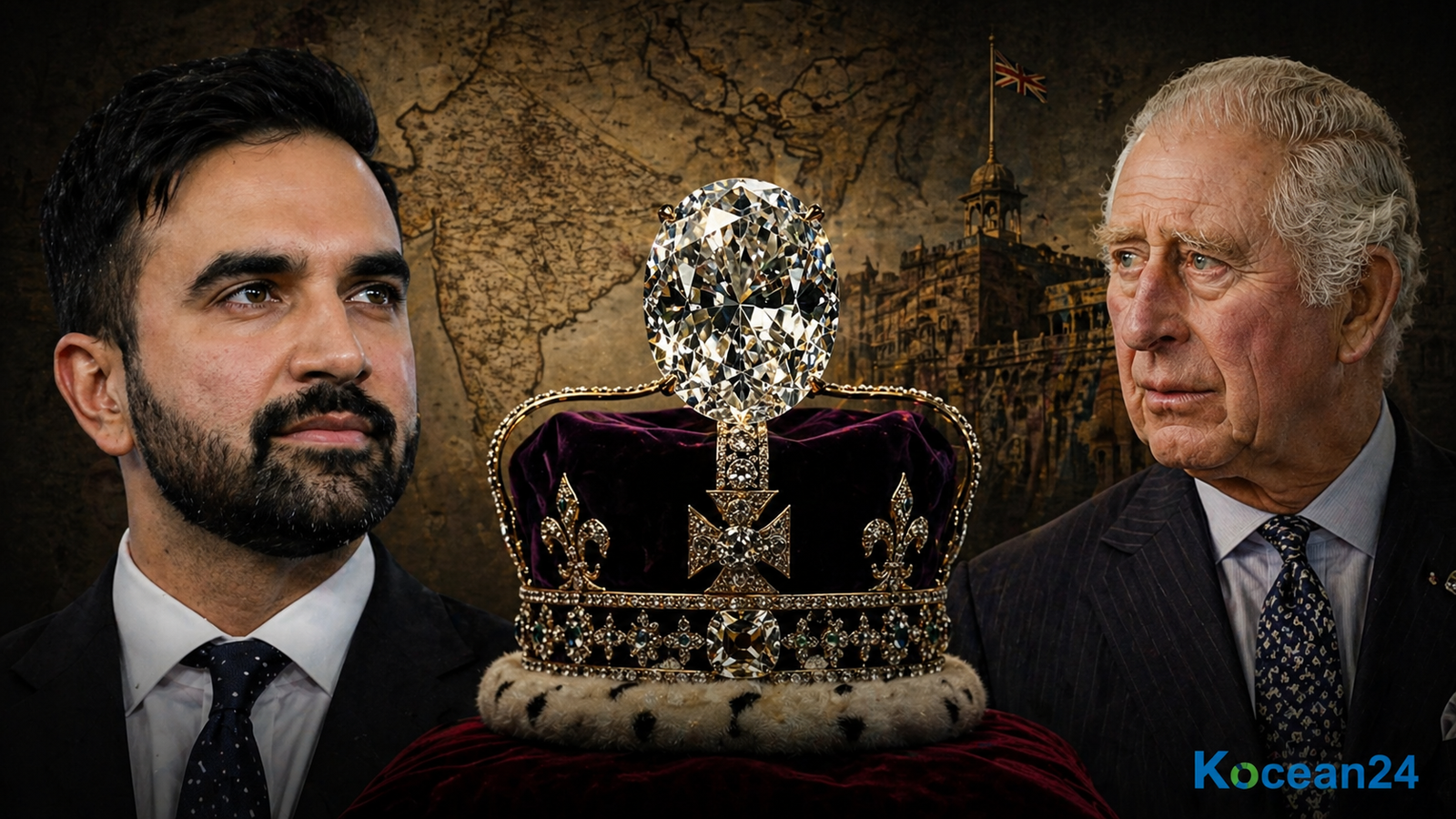
Koh-i-Noor Controversy is back again! New York City Mayor Zohran Mamdani pushed the issue into the spotlight again when he said he would encourage King Charles III to return the Koh-i-Noor diamond to India. Why has Mamdani raised the issue, what is the motive? Is it to draw attention of the world to him , or he really owns the concept? Let’s check it thoroughly.
Mamdani’s comment came during King Charles III’s high voltage visit to America. The Guardian reported that Mamdani said if he met Charles privately, he “would probably encourage him to return the Koh-i-noor diamond.” (The Guardian, Edward Helmore, April 30, 2026, New York officials return more than 650 antiquities valued at $14m to India) (https://www.theguardian.com/us-news/2026/apr/30/new-york-return-antiquities-india)
The timing made the remark stronger. New York authorities had just announced the return of 657 antiquities to India, valued at about $14 million. The Guardian also reported that the Manhattan district attorney’s office said the ceremony had been scheduled months earlier and was not connected to the royal visit.
This turned a historic dispute of Koh-i-Noor controversy into a live political moment. Everyone starts talking about it. Matters become viral within no time.
The Koh-i-Noor is one of the most famous diamonds in the world because it is not only rare but also politically loaded. Historic Royal Palaces says the diamond weighs 105.6 carats and is now set in the Crown of Queen Elizabeth the Queen Mother. (Historic Royal Palaces, The Crown Jewels) (https://www.hrp.org.uk/tower-of-london/history-and-stories/the-crown-jewels/)
Its physical journey makes the Koh-i-Noor Controversy deeper. Historic Royal Palaces also states that the diamond was once larger, but it was re-cut in 1852 to improve its brilliance and match European taste (same source). It means the diamond was not only transferred into British possession. Its appearance was also reshaped after arrival in Britain.
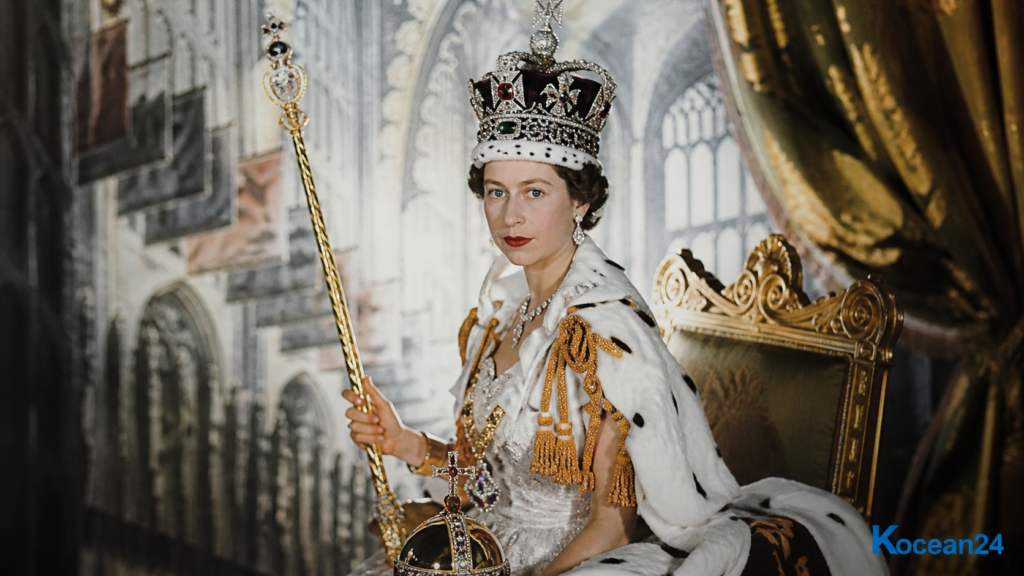
The Tower of London describes the Koh-i-Noor as part of a story of conquest, with previous owners including Mughal emperors, shahs of Iran, emirs of Afghanistan and Sikh maharajas. This is why the Koh-i-Noor Controversy goes beyond value. It connects monarchy, empire, public memory and the modern demand for cultural restitution.
The heart of the Koh-i-Noor Controversy goes back to 1849, when the British East India Company annexed Punjab after the Second Anglo Sikh War. Under the Treaty of Lahore, the diamond was formally ceded to the British Crown. Encyclopaedia Britannica notes that the Koh-i-Noor was surrendered by the young Maharaja Duleep Singh and later presented to Queen Victoria. (Britannica, Koh-i-noor | Diamond, Controversy, & Facts) (https://www.britannica.com/topic/Koh-i-noor)
The political context of that transfer is critical. Duleep Singh was around 10 years old at the time and was ruling under British supervision after the fall of the Sikh Empire. This raises a key issue in the Koh-i-Noor Controversy. Supporters of return argue that a minor under colonial control could not exercise genuine sovereignty. The treaty may have been legal on paper, but its legitimacy is still questioned.
Historians also highlight on Koh-i-Noor Controversy that the diamond had already passed through multiple empires before the British took it. The Smithsonian Magazine explains that the Koh-i-Noor had been owned by Mughal emperors, Persian rulers, Afghan leaders and Sikh kings before reaching British hands. (Smithsonian Magazine, Lorraine Boissoneault, August 30, 2017, The True Story of the Koh-i-Noor Diamond and Why the British Won’t Give It Back) (https://www.smithsonianmag.com/history/true-story-koh-i-noor-diamondand-why-british-wont-give-it-back-180964660/)
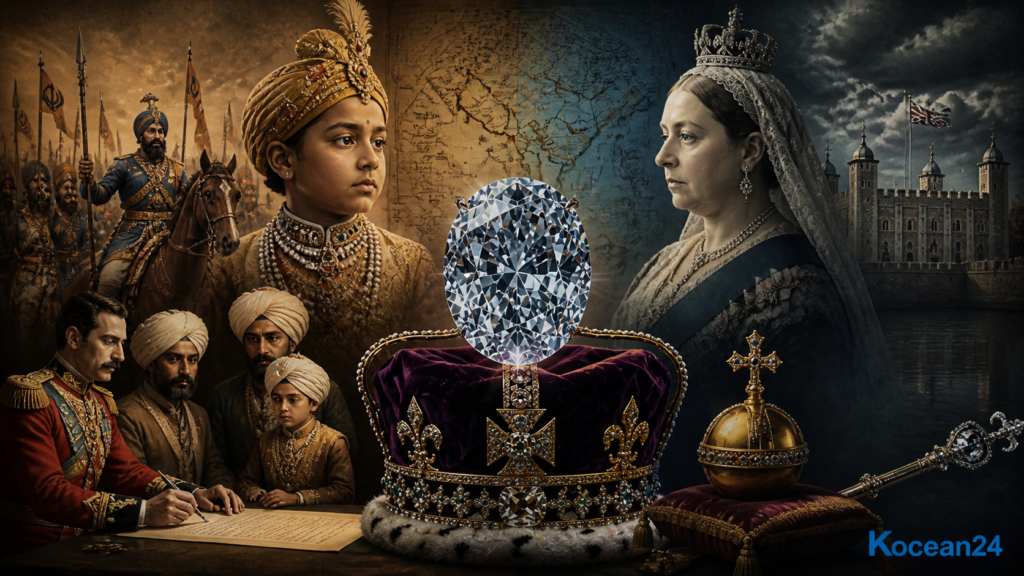
This layered history makes the debate more complex. Critics of return say the diamond was part of a long chain of conquest and cannot be tied to one nation alone. Supporters argue that colonial acquisition was different because it came with systemic control and political imbalance. Both sides rely on history, but they interpret power in very different ways.
Mamdani’s statement worked because New York is not isolated from global history. It is a city full of immigrant communities and post colonial memory. So, the Koh-i-Noor Controversy has been sparked as soon as Mandani claims the demand.
For South Asian audiences, the Koh-i-Noor is not only a diamond. It is a reminder of colonial extraction. For British institutions, it is part of royal heritage. That clash makes the issue emotional and political.
Mamdani is intelligent and he likely understood this. The comment gave him a way to speak to identity, justice and global accountability in one sentence.
Mamdani’s statement gained traction because New York operates as a global crossroads of identity and history. The city reflects layered immigrant experiences, especially from post colonial societies where memory of empire is still active. By raising the Koh-i-Noor Controversy in this setting, Mamdani connected a 19th century imperial transfer with a modern, multicultural audience that already understands questions of ownership, displacement and historical justice.
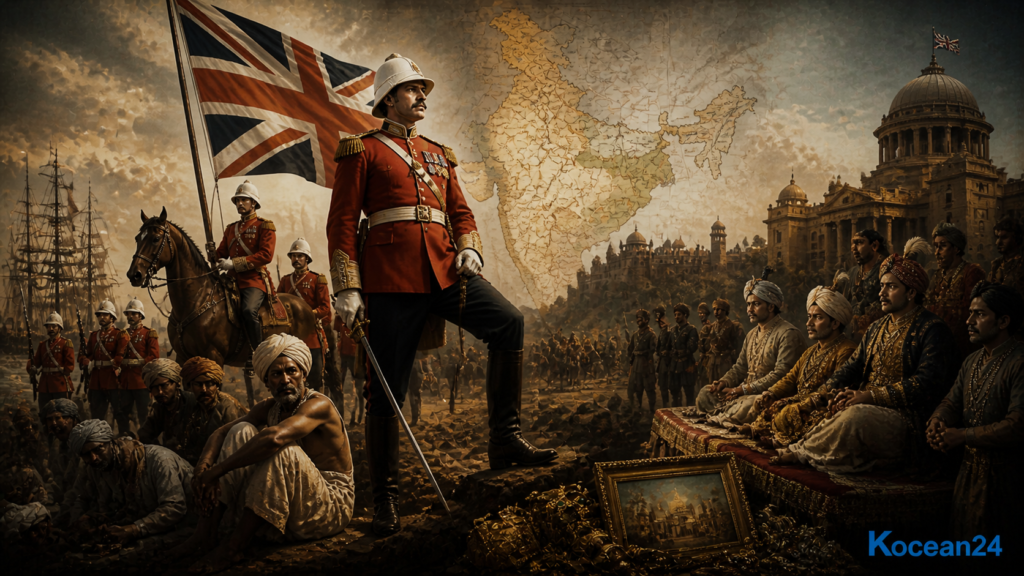
For South Asian communities, the Koh-i-Noor represents extraction under colonial rule. For British institutions, it remains part of sovereign heritage and continuity. This contrast turns the issue into more than a historical debate. It becomes a live conversation about identity, legitimacy and moral accountability. Mamdani’s remark compressed these tensions into a single moment, making the issue instantly relatable and globally resonant.
Key Dynamics Behind the Impact:
India’s claim carries weight because the Koh-i-Noor is widely understood to have originated from the Indian subcontinent, particularly the Golconda region, which was one of the most important historic diamond sources in the world. The BBC explains that the diamond is believed to have come from mines in southern India and later moved through several empires before reaching British hands. (BBC, December 9, 2016, Koh-i-Noor: Six myths about a priceless diamond) (https://www.bbc.com/news/world-asia-india-38218308)
This origin is not just geographical. It connects the diamond directly to India’s early economic strength and royal heritage. Before it became part of imperial collections, the Koh-i-Noor existed within South Asian dynasties and power structures. This makes the claim deeper than ownership. It ties the diamond to a long civilizational identity that predates colonial rule.
That origin gives India a strong emotional and cultural argument. The debate is not limited to legal transfer or treaty language. It reflects identity and historical continuity. For many Indians, the Koh-i-Noor represents wealth that left during a period of political imbalance. Its return would not change history, but it would signal recognition of that past. At the same time, the diamond’s movement across multiple empires complicates exclusive ownership claims, which is why the Koh-i-Noor Controversy remains active and unresolved.
Across the world, museums and governments are being asked to return artifacts taken during colonial rule or conflict. The Koh-i-Noor sits inside that larger movement.
This is why Mamdani’s comment landed strongly. It arrived in a world already questioning old collections, old empires and old moral excuses.
Kocean24 has also discussed how global politics now moves through symbolic pressure, public trust and shifting power. Internal reading can connect this story with the wider analysis in Global Politics in 2026. (Kocean24, Fred Laxy, February 21, 2026, Global Politics in 2026: 7 Powerful Challenges Ahead) (https://kocean24.com/global-politics-in-2026-7-powerful-challenges-ahead/)
The Koh-i-Noor debate fits that same global pattern. Power is no longer judged only by treaties. It is rather judged by memory.
The British side often leans on legal transfer through the Treaty of Lahore. But the moral pressure remains because the treaty followed military defeat and colonial expansion.
Smithsonian Magazine quoted historian William Dalrymple asking, “What is the moral distinction between stuff taken by force in colonial times?” (Smithsonian Magazine, Lorraine Boissoneault, August 30, 2017, The True Story of the Koh-i-Noor Diamond and Why the British Won’t Give It Back) (https://www.smithsonianmag.com/history/true-story-koh-i-noor-diamondand-why-british-wont-give-it-back-180964660/)
That question explains why the debate keeps surviving. Law can describe what happened. But the moral claim against it is very much against the British claim.
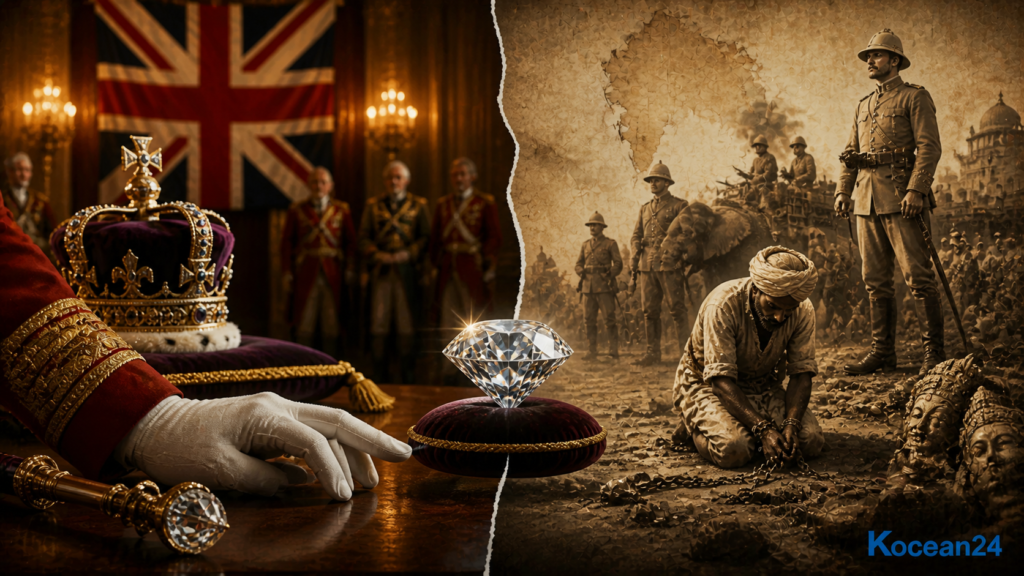
The Koh-i-Noor Controversy will continue because it sits at the intersection of history, law and morality, where no single narrative can fully resolve the dispute. Britain holds the diamond under a historical treaty framework, while India carries the strongest emotional and cultural claim rooted in origin and identity. Other nations also appear in its historical movement, which makes ownership difficult to simplify. The debate remains active and unresolved for the following reasons:
Changing Moral Standards
Modern audiences evaluate historical actions through present day ethical frameworks. What was once accepted under imperial expansion is now questioned under ideas of fairness and accountability.
Symbolism Over Material Value
The diamond’s value is not only financial. It represents colonial memory, national pride and cultural identity, which makes compromise difficult.
Legal Versus Ethical Conflict
Formal treaties support Britain’s position, but ethical arguments challenge the conditions under which those agreements were made.
Global Restitution Movement
Increasing demands for returning cultural artifacts worldwide keep the issue relevant and prevent it from fading into history.
The Koh-i-Noor Controversy returned because Mamdani understood the power of timing, symbolism and historical memory. His statement turned a 19th century dispute into a 21st century conversation about ownership, empire and justice. The diamond may remain in London for now. But the debate around it is no longer locked inside a crown. Here lies the smartness of Johran Mamdani .