Physical Address
304 North Cardinal St.
Dorchester Center, MA 02124
Physical Address
304 North Cardinal St.
Dorchester Center, MA 02124
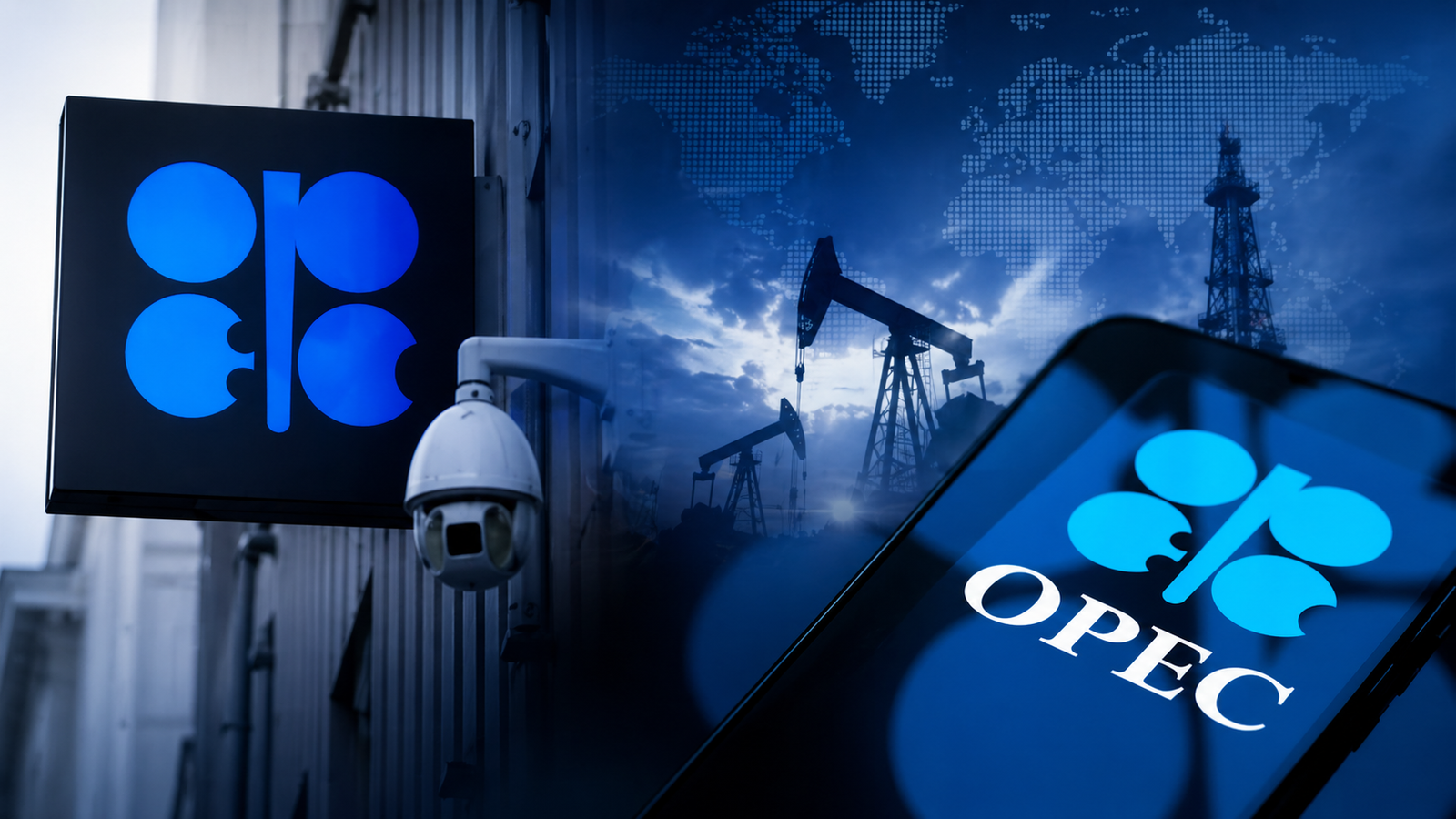
UAE OPEC Exit is no longer just a headline for energy traders. It is a major geopolitical story because the United Arab Emirates is stepping away from one of the world’s most powerful oil alliances at a time of rising Gulf tension, market anxiety and regional insecurity. The move matters because oil is never only about barrels. It is about power, pressure, diplomacy and how nations protect their future when the global order starts shifting.
The United Arab Emirates announced today that it would leave OPEC effective May 1, a move that shook global energy circles because the UAE has been part of the group since 1967. Reuters reported the decision came as pressure from the Iran war disrupted Gulf energy security and exposed growing strain among major oil producers. (Reuters, Maha El Dahan, April 28, 2026, UAE leaves OPEC in major blow to global oil producers’ group) (https://www.reuters.com/markets/commodities/uae-says-it-quits-opec-opec-statement-2026-04-28/)
This matters because the UAE is not a marginal producer. It has been one of OPEC’s most influential members and has invested heavily to expand output capacity over recent years. Its departure signals more than frustration with quotas. It raises questions about whether large producers are starting to prioritize national flexibility over cartel discipline.
The timing also amplifies the shock. Oil markets are already watching supply risks around the Gulf, especially near the Strait of Hormuz. Against that backdrop, a major producer stepping away from OPEC does not look like an isolated administrative decision. It looks like a strategic signal.
OPEC has long relied on an image of cohesion even through internal disagreements over production targets, pricing strategy and political rivalries. UAE OPEC Exit creates a visible crack in that image and could force investors and governments to reassess how much collective power the group can still project in a more unstable energy era.

The UAE OPEC Exit is not a symbolic move by a peripheral producer. It involves one of the world’s major crude exporters with real influence over energy markets, shipping routes and Gulf diplomacy. AP reported the UAE had been producing around 3.4 million barrels of crude a day before the United States and Israel launched war on Iran on February 28, 2026. (AP News, Jon Gambrell, April 28, 2026, United Arab Emirates says it will leave OPEC in a blow to the oil cartel) (https://apnews.com/article/opec-united-arab-emirates-leaving-cartel-4966108c3fafacb67181152216deda14)
That production scale gives the UAE OPEC Exit real strategic weight. A producer of that size stepping outside cartel discipline can affect how traders price future supply, how governments assess energy security and how rival producers respond inside and outside OPEC. It also raises a deeper question about whether national economic ambitions are beginning to outweigh bloc loyalty in the oil order.
Why this matters far beyond crude markets:
• Supply expectations could shift as traders reassess how much output the UAE may pursue outside coordinated quota politics.
• OPEC cohesion may face pressure because other members may rethink how tightly they want to remain bound to collective restrictions.
• Gulf power dynamics may evolve as the move can be read as an assertion of strategic autonomy, not only an energy decision.
• Shipping and security concerns gain new weight because oil policy and regional risk in the Gulf are increasingly tied together.
• Investor confidence may react as uncertainty over producer coordination often influences volatility and long term pricing assumptions.
The larger point is simple. This is not only a story about one country leaving an oil bloc. It may reflect a broader shift in how power, security and energy strategy are being recalculated across the Gulf. That is why the UAE OPEC Exit may carry consequences far beyond oil.
The UAE OPEC Exit cannot be separated from the regional security backdrop, even if the move was framed officially as an energy strategy decision. That is why the question is not whether conflict alone caused the exit, but how conflict may have shaped the timing and significance of it. The Strait of Hormuz sits at the center of that discussion. The U.S. Energy Information Administration reported that roughly 20 million barrels per day moved through the Strait of Hormuz in 2024, equal to about one fifth of global petroleum liquids consumption. (U.S. Energy Information Administration, June 16, 2025, Amid regional conflict, the Strait of Hormuz remains critical to global energy security) (https://www.eia.gov/todayinenergy/detail.php?id=65504)
That fact helps explain why the UAE OPEC Exit carries geopolitical weight beyond cartel politics. When one of the world’s most sensitive energy corridors faces pressure, oil decisions start carrying security implications, diplomatic implications and market implications at the same time.
Why Gulf tension now sits inside the oil story:
• Shipping vulnerability matters more because disruption around Hormuz can quickly affect global supply confidence.
• Regional security risks influence energy strategy as producers may seek more flexibility when geopolitical pressure rises.
• Oil alliances face stress under conflict conditions because national priorities can begin outweighing collective coordination.
• Markets react to risk as much as production and perceived instability often moves prices before physical shortages emerge.
• Strategic independence becomes more valuable when security threats make centralized bloc decisions harder to sustain.
The larger takeaway is not that war alone drove the decision. It is that the UAE OPEC Exit arrived when oil, security and Gulf power politics are increasingly intertwined. That overlap is what makes this more than a routine producer dispute.
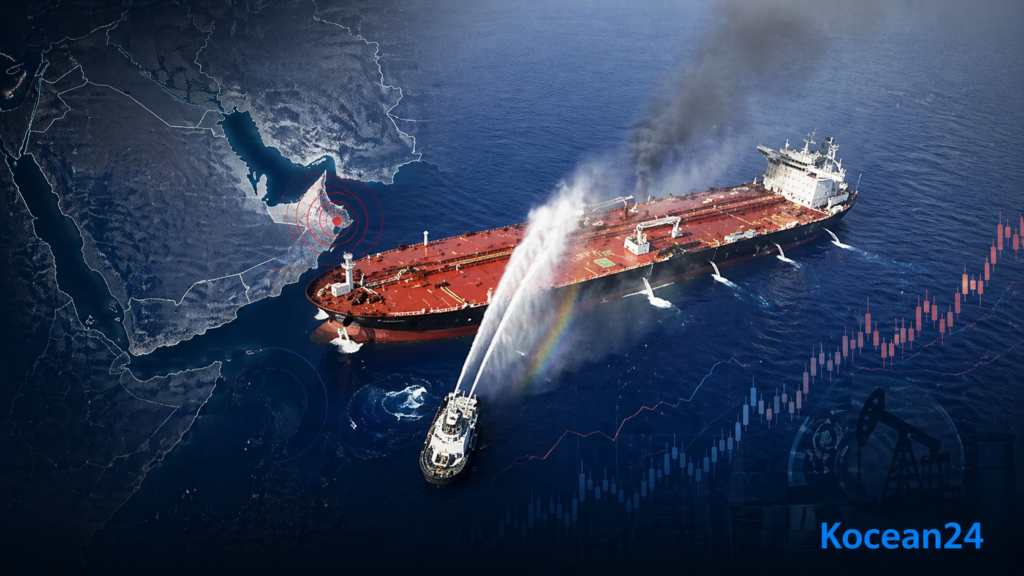
OPEC’s power has never rested only on production volumes. It has rested on the belief that major producers can coordinate enough to influence supply, stabilize expectations and project control during volatile periods. The UAE OPEC Exit challenges that perception at a sensitive moment. When a major producer steps away from the group, it raises questions about whether internal consensus is becoming harder to maintain. This matters because oil markets respond not only to barrels in circulation, but also to confidence in the institutions managing supply.
The deeper issue is strategic divergence. The UAE has expanded production capacity and pursued a more assertive energy vision, while OPEC often depends on collective restraint. That tension has existed for years, but an exit turns disagreement into a visible break. If major producers begin prioritizing national flexibility over bloc discipline, OPEC may face a harder task preserving influence. The significance of this moment is not simply one country leaving. It is the possibility that the balance between cooperation and competition inside the oil order is beginning to shift.
The UAE OPEC Exit does not automatically create a wider oil crisis, but it can add pressure to a market already shaped by supply shocks, shipping risk and geopolitical uncertainty. The International Energy Agency reported in its April 2026 Oil Market Report that global oil supply fell by 10.1 million barrels per day in March, with restrictions on tanker movements through the Strait of Hormuz contributing to the largest disruption in history. (International Energy Agency, April 14, 2026, Oil Market Report April 2026) (https://www.iea.org/reports/oil-market-report-april-2026)
That makes the UAE OPEC Exit more serious than a normal cartel dispute because traders are not only watching output decisions. They are watching whether Gulf security, producer coordination and transport access can hold together.
The crisis risk comes from 3 connected pressures:
Supply Pressure
If the UAE produces more outside OPEC coordination, extra barrels could ease pressure in one scenario. But that benefit depends on stable shipping routes, working infrastructure and market confidence.
Shipping Pressure
Oil cannot calm markets if it cannot move safely. Any threat around Hormuz can make buyers nervous before a physical shortage fully appears.
Coordination Pressure
OPEC’s market power depends on discipline. If the UAE exit weakens confidence in collective action, price swings may become harder to contain.
The strongest reading is balanced. The exit alone does not create an oil crisis. But combined with Gulf risk and fragile supply routes, it can deepen uncertainty at exactly the wrong time.
The UAE OPEC Exit signals more than a disagreement over oil policy. It points to a broader strategic posture in which Abu Dhabi appears increasingly willing to act through national interest first, regional blocs second. Reuters reported UAE Energy Minister Suhail al Mazrouei said the decision followed “a careful look at current and future policies related to level of production,” framing the move as strategic rather than reactive. (Reuters, Maha El Dahan, April 28, 2026, UAE leaves OPEC in major blow to global oil producers’ group) (https://www.reuters.com/markets/commodities/uae-says-it-quits-opec-opec-statement-2026-04-28/)
This language matters because it places the withdrawal in the context of long term autonomy, production ambition and geopolitical positioning.
It also raises questions about how Gulf influence may evolve if major producers begin relying less on inherited structures and more on independent leverage. The UAE OPEC Exit can be read as a signal that power in the Gulf may be becoming more flexible, less centralized and increasingly shaped by sovereign strategy. In that sense, the story is not only about oil. It may reflect a quieter rebalancing of regional power.
The next major question after the UAE OPEC Exit is not only how much oil the UAE may produce, but how global markets interpret the signal behind the move. If production rises gradually, markets may absorb the shift. If output expands more aggressively while regional tensions remain elevated, volatility could deepen. The International Monetary Fund warned in its April 2026 World Economic Outlook that war-driven energy shocks are testing global resilience, with world growth projected at 3.1% in 2026 and inflation pressures rising as commodity prices stay under stress. (International Monetary Fund, April 14, 2026, World Economic Outlook April 2026: Global Economy in the Shadow of War) (https://www.imf.org/en/publications/weo/issues/2026/04/14/world-economic-outlook-april-2026)
That makes the UAE OPEC Exit relevant beyond oil traders because supply uncertainty can spill into inflation, trade costs and financial stability.
What global markets will watch next:
Production Strategy
Markets will focus on whether the UAE expands output cautiously or uses greater independence to pursue a more assertive production path.
Energy Price Risk
Oil traders will watch whether geopolitical uncertainty creates a lasting risk premium that pushes prices higher even without severe physical shortages.
Market Coordination
Investors will assess whether other major producers reinforce discipline or whether producer fragmentation begins influencing supply expectations.
Growth and Inflation Pressure
Higher energy costs can move beyond oil markets into borrowing costs, consumer prices and broader economic growth concerns. That wider instability also connects with deeper geopolitical stresses explored in this related Kocean24 analysis on global political pressure points in 2026. ( Kocean24, Global Politics in 2026: 7 Powerful Challenges Ahead) (https://kocean24.com/global-politics-in-2026-7-powerful-challenges-ahead/)
The larger issue is not simply what the UAE does next. It is whether markets treat this as a contained strategic shift or as an early signal of wider stress across the global energy system.
The UAE OPEC Exit is a sharp signal from the Gulf. It does not prove one single cause, and it should not be treated as a simple Iran war reaction. But it clearly arrives during a dangerous moment for energy politics. The exit could give the UAE more freedom, weaken OPEC unity and raise new questions for oil markets. Whether it triggers a wider oil crisis depends on what happens next in production policy, Gulf security and the global demand picture.