Physical Address
304 North Cardinal St.
Dorchester Center, MA 02124
Physical Address
304 North Cardinal St.
Dorchester Center, MA 02124
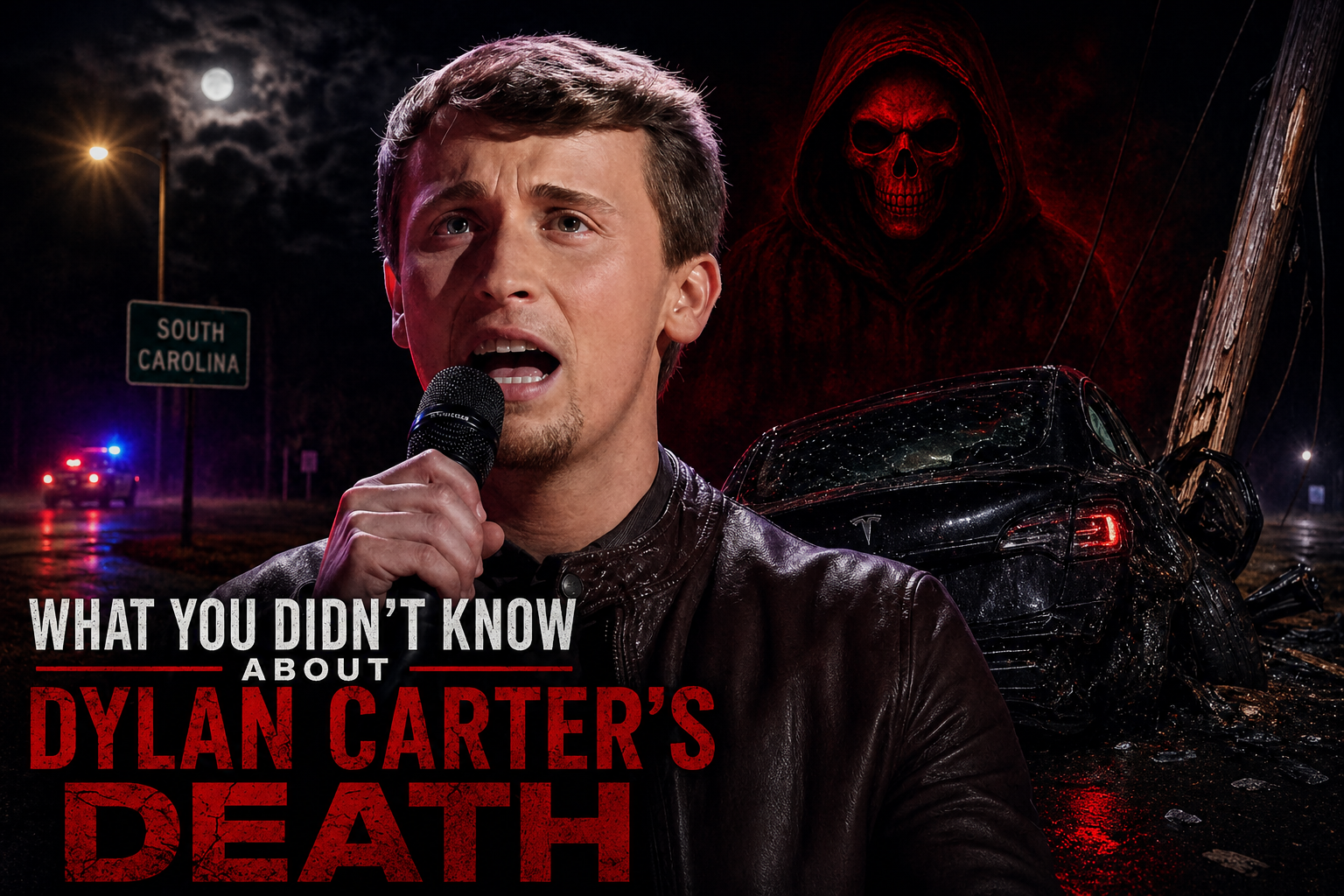
There is something eerie about stories that begin with applause and end in twisted metal. Dylan Carter’s death, officially ruled accidental after a violent car crash in South Carolina, looked at first like one of those brutally simple tragedies. A young singer drives alone at night. A vehicle veers off course. A utility pole enters the plot like a villain who wants to get rid of Batman. Then a rollover. Then silence.
But simple stories often wear disguises.
According to early reporting, the crash involved a Tesla and was ruled accidental by the coroner, details that added both fact and strange symbolism to the tragedy. But what startled many was not only the crash itself, but the surreal detail that he was driving a Tesla, a symbol of sleek futurism, only for fate to throw him into one of the oldest endings in history. Ancient tragedy loves irony. Greek playwrights would have smiled darkly at that. A modern machine. An old fashioned death. Somewhere, mystery laughed.
And the timing felt almost scripted. Carter was reportedly scheduled for another hometown performance days later. That detail lands differently. It turns an accident report into something almost ghostly. A man preparing for the next song exits before the soundcheck.
Humor has a strange place around death, but Dylan himself seemed the kind of guy who might appreciate the cosmic joke. A singer who once got all four coaches spinning in dramatic television fashion gets outmaneuvered by a roadside fence. Life can be absurdly theatrical.
Now here is where the story deepens.
People remember Dylan Carter from The Voice for his performance of Whitney Houston’s “I Look to You,” sung in honor of his late mother. At the time, it was reality television gold. Emotional backstory. Four chair turn. Reba McEntire choosing him like a fairy godmother in cowboy boots.
But after his death, that audition has started looking less like a career moment and more like a haunting prelude.
He sang about searching for strength when the world grows dark. That was not some manufactured talent show sentiment. It came from grief. His mother’s death in 2022 reportedly shaped much of his artistic identity. In hindsight, people began hearing prophecy where they once heard performance.
This is where mystery slips in.
Sometimes celebrities become legends through huge careers. Sometimes they become legends through unfinished stories. Dylan belonged to the second category. There is something strangely magnetic about artists frozen in potential. They become wrapped in “what if.” And “what if” is basically the perfume of mythology.
Also surprising to many, he was not just a singer. He worked in real estate, co owned an RV park, and helped build a breast cancer charity. Which means the man was somehow balancing country roads, charity work, property deals, and television fame. That is not a résumé. That is a subplot explosion.
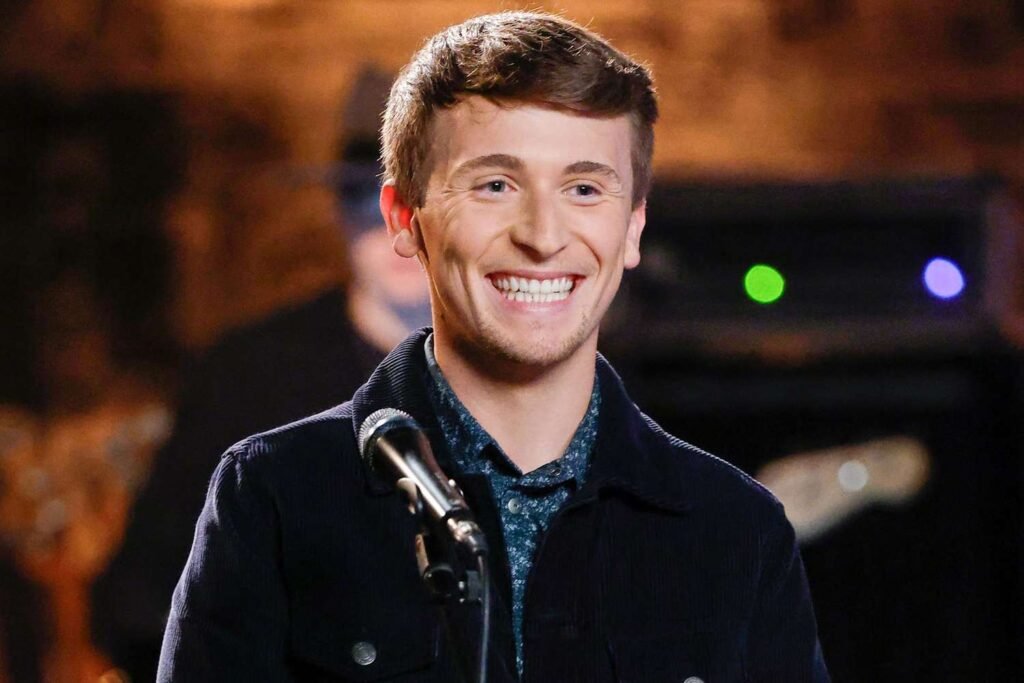
Here is the part few saw coming. Many casual fans assumed Dylan vanished after The Voice. Wrong. In his South Carolina community he was not some former reality contestant living off old applause. He had become almost a local folk figure, performing at events and building a reputation far bigger than television clips. That changes the emotional geometry of this story.
This was not a fallen celebrity drifting in obscurity. This was a young man actively constructing several futures at once. That makes the mystery sharper. Because the strange question haunting many deaths like this is never “How did it happen?” We often get that answer.
The real question is why some people feel larger after death than they did alive. Dylan Carter may be one of those cases. There is also the almost cinematic symbolism of his last public traces. Reports noted joyful recent performance images before the crash. There is something unsettling about cheerful final snapshots. Social media has made modern ghosts of us all. The last post can start to feel like the final chapter title.
And yes, life has a wicked sense of humor. A man associated with The Voice is now discussed in whispers. That irony writes itself.
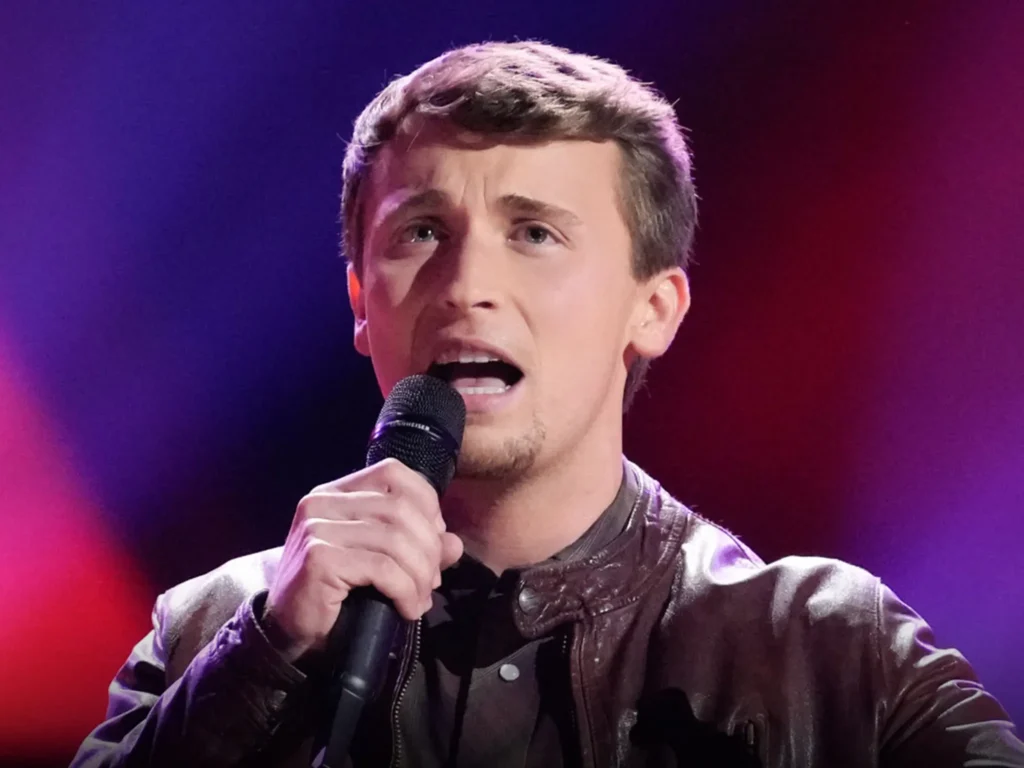
This is where ordinary tragedy mutates. Deaths of giant superstars usually become spectacles. But sometimes smaller stories carry stranger electricity. Dylan Carter’s death has stirred fascination partly because it feels unfinished and oddly symbolic. A young singer shaped by loss dies on a dark road. A performer known for singing to his late mother becomes the subject of memorial tributes. A man named Dylan, almost accidentally poetic, exits at twenty four.
That starts sounding less like tabloid reporting and more like Southern Gothic. Even Reba McEntire’s tribute added emotional gravity. Mentors speaking after a protégé dies always feels like a curtain call. And maybe that is what unsettles people.
This was not scandal. Not overdose mystery. Not criminal intrigue. Just randomness. And randomness terrifies people more. Because mystery often hides not in conspiracies but in the fact that life can pivot for no reason at all.
That may be the strangest thing nobody knew about Dylan Carter’s death. It was not only tragic. It was weirdly poetic. And poetry, as history keeps proving, tends to outlive biography.