
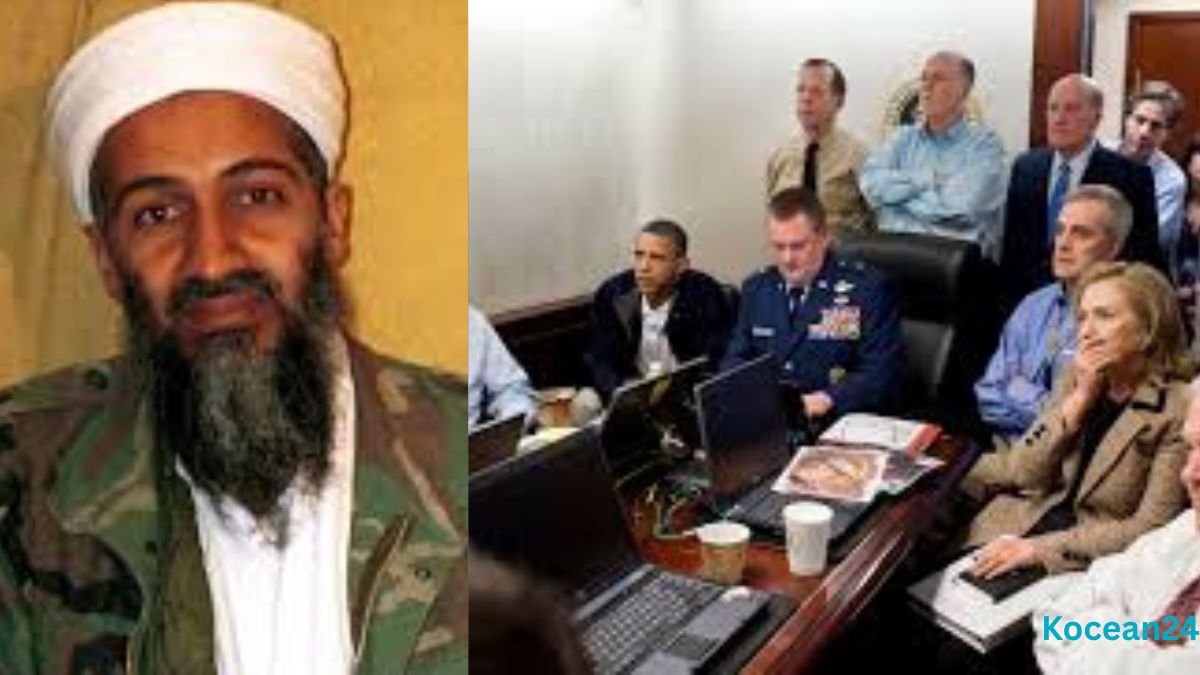
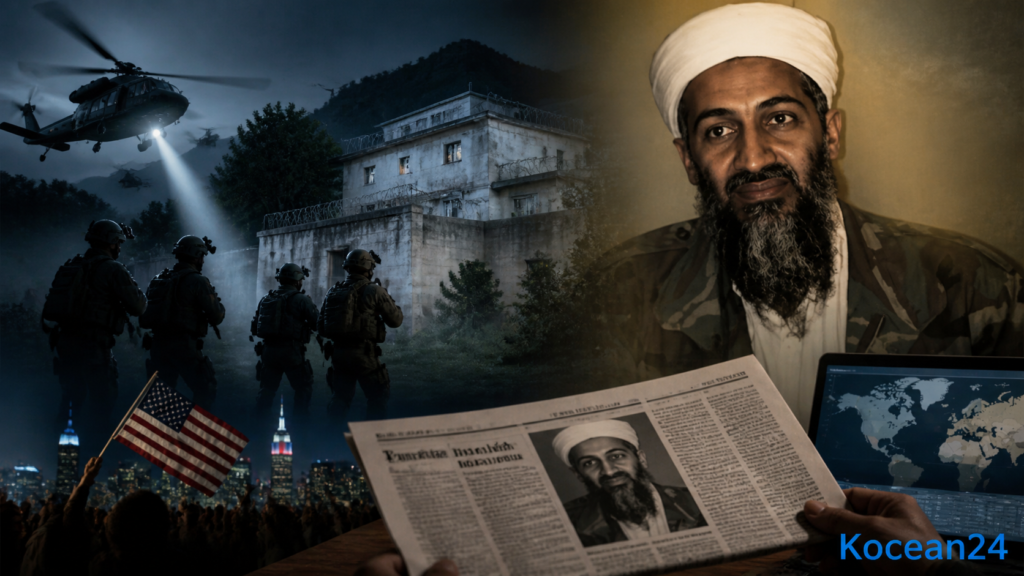
Osama bin Laden was killed on May 2, 2011, in Abbottabad, Pakistan. The news instantly moved across television screens, newspaper front pages and digital platforms. It became one of the most reported global events of the post 9/11 era. The story was about terrorism, justice, American power, Pakistan’s position and the changing language of world security.
Table of Contents
The Night the News Broke
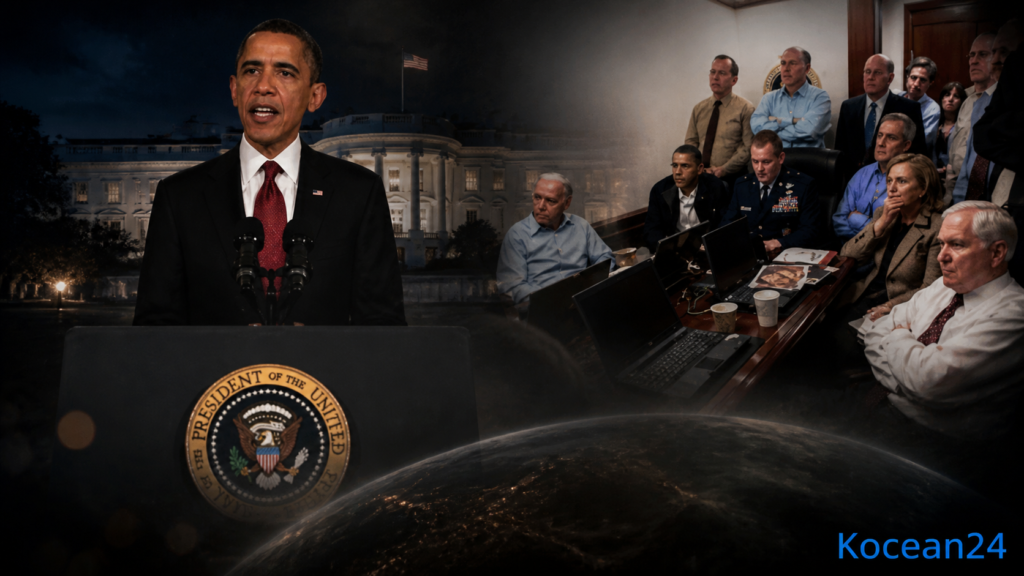
President Barack Obama announced from the White House that the United States had killed Osama bin Laden, the leader of al Qaeda. The White House published the official announcement under the title “Osama Bin Laden Dead.” (The White House, Macon Phillips, May 2, 2011, Osama Bin Laden Dead) (https://obamawhitehouse.archives.gov/blog/2011/05/02/osama-bin-laden-dead)
This official framing shaped the first global news cycle. Many American outlets treated the event as a moment of justice after the September 11 attacks. International outlets quickly moved beyond the announcement and asked wider questions about Pakistan, sovereignty and the future of extremist networks.
How Western Media Framed the Story
Western media focused heavily on the operation itself. Reports described Abbottabad as the place where the world’s most wanted figure had been found after years of searching. The Guardian reported that bin Laden was killed during a U.S. raid on a compound in Abbottabad and noted the U.S. statement that his body was buried at sea. (The Guardian, Declan Walsh, Ewen MacAskill and Jason Burke, May 2, 2011, Osama bin Laden killed in US raid on Pakistan hideout) (https://www.theguardian.com/world/2011/may/02/osama-bin-laden-dead-pakistan)
The coverage carried two strong ideas. One was closure for many people affected by 9/11. The other was uncertainty about what would happen next. Media outlets did not present his death as the end of terrorism. They treated it as a major blow to al Qaeda’s image and leadership.
How Middle Eastern Media Added Context
Middle Eastern media gave the story a different weight. Al Jazeera reported that U.S. officials said the al Qaeda leader was buried at sea after a night time raid on a compound north of Pakistan’s capital. (Al Jazeera, News Agencies, May 2, 2011, Osama bin Laden killed by US forces) (https://www.aljazeera.com/news/2011/5/2/osama-bin-laden-killed-by-us-forces)
This coverage placed more attention on regional reaction and political tension. It showed how the same event could carry different meanings across regions. In the United States, the story centered on justice. In Pakistan and parts of the wider region, coverage also raised questions about sovereignty, identity and future instability.
Pakistan Became a Major Part of the Story
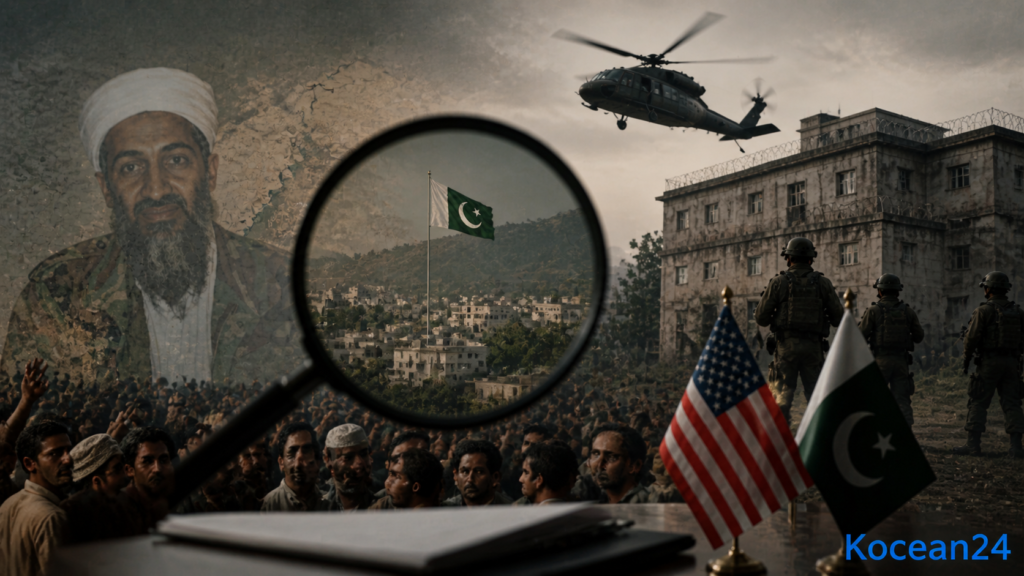
The location of the raid became one of the biggest media questions. Abbottabad was not a remote battlefield. It was a Pakistani city with military presence. That fact pushed global media to ask how bin Laden had lived there and what Pakistan’s institutions knew.
Al Jazeera separately reported that many Pakistanis were apprehensive about the future after bin Laden’s death. (Al Jazeera, Sunniya Pirzada, May 2, 2011, Bin Laden death: Views from Pakistan) (https://www.aljazeera.com/news/2011/5/2/bin-laden-death-views-from-pakistan)
This was why the media story did not stop at the death itself. It became a story about trust between allies. It also became a story about how counterterrorism actions can create diplomatic pressure.
The Media Message Was Not Simple Victory
The strongest global coverage avoided a simple ending. Many reports treated the killing as a turning point, not a final chapter. That distinction matters for readers today.
Kocean24 often frames global security as part of a larger system of power, conflict and public trust. Its article on global politics says unresolved conflicts become “structural forces” shaping stability and diplomacy worldwide. (Kocean24, February 2026, Global Politics in 2026: 7 Powerful Challenges Ahead) (https://kocean24.com/global-politics-in-2026-7-powerful-challenges-ahead/)
That same lens fits the bin Laden coverage. His death changed the symbolism of the war on terror. It did not erase the conditions that allowed violent networks to spread.
Why the Story Still Matters
Osama bin Laden’s death still matters because media coverage defined how the event was understood worldwide. Most people first learned about the operation through live broadcasts, breaking alerts, and front page headlines, not official documents.
That coverage shaped public perception in different ways. Many reports framed it as justice for the victims of the September 11 attacks. Others presented it as a major U.S. military success after a decade long manhunt. At the same time, global analysis raised questions about sovereignty in Pakistan, legal justification of the raid, and the long term effectiveness of counterterrorism strategy.
Media outlets also made it clear that the killing of Osama bin Laden did not end terrorism. Instead, it marked a shift from centralized leadership to more decentralized extremist networks. This is why the event remains a key reference point in modern security and media history.
Conclusion
The death of Osama bin Laden became a global media event because it touched history, politics and public emotion at once. World media covered it as a major moment after 9/11, but the best coverage did not pretend it solved terrorism. It showed how one operation could end a manhunt while opening deeper questions about security, power and the future of global conflict.