

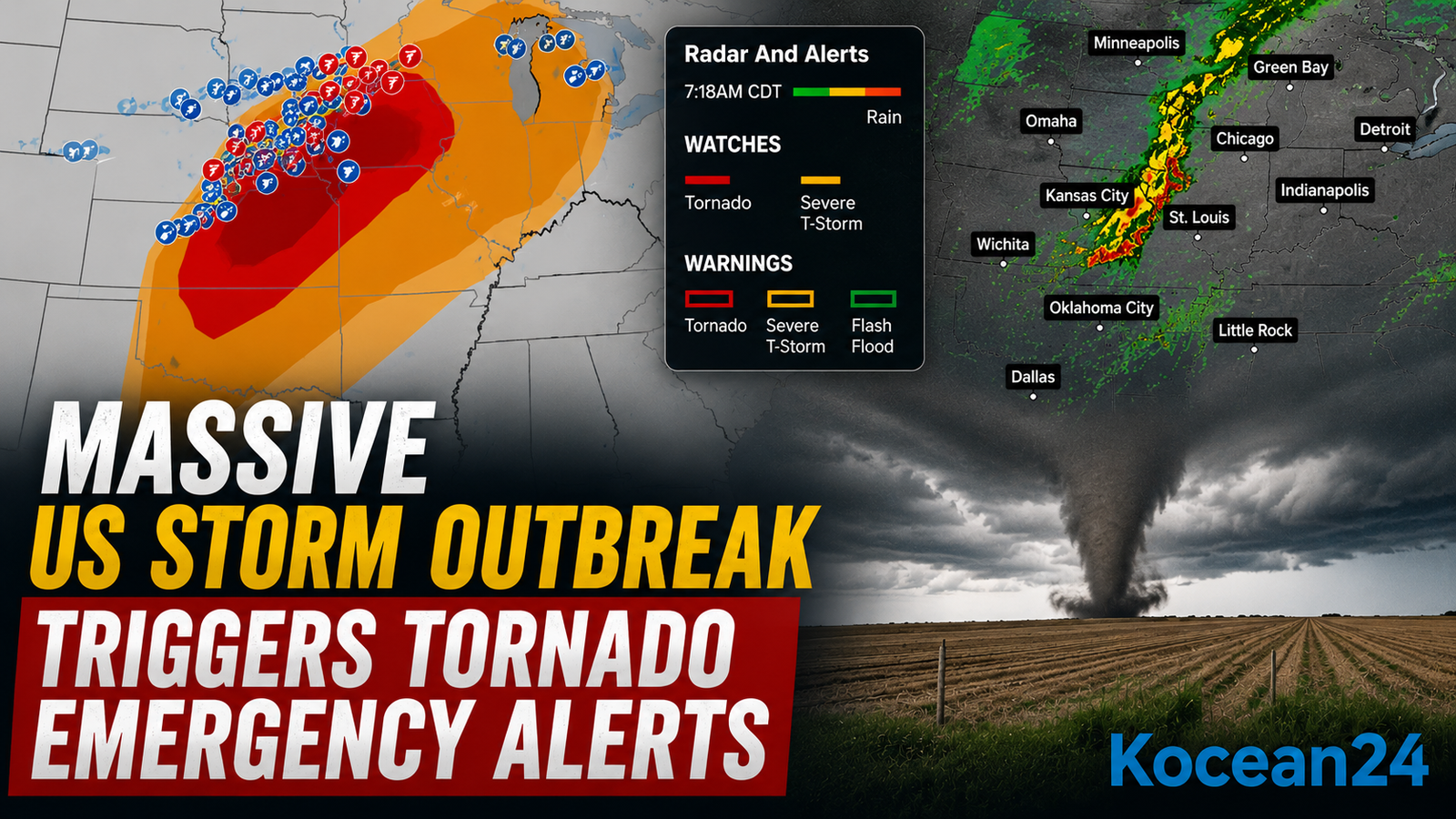
US storm outbreak coverage has intensified as dangerous storms move through the central United States and push risk into nearby regions. The bigger story is a wide severe weather setup involving tornado potential, giant hail, damaging winds and overnight storm lines across several states. Nebraska, Kansas, Iowa, Oklahoma, Minnesota and Michigan have all appeared in the latest risk discussion or regional updates. It has now become big threat to serious public safety questions. So, everybody needs to be alert regarding this US storm outbreak.
Table of Contents
Why This Has Become So Dangerous
The US storm outbreak is dangerous because the strongest ingredients are lining up in the same corridor. SPC’s 3:05 p.m. CDT Day 1 update places a Moderate Risk over central and northeastern Kansas, far southeastern Nebraska, northwestern Missouri and far southwestern Iowa. That means forecasters see a focused zone where organized severe storms are more likely than normal. (National Weather Service Storm Prediction Center, May 18, 2026, Day 1 Convective Outlook) (https://www.spc.noaa.gov/products/outlook/day1otlk.html)
The setup is driven by a very unstable and strongly sheared environment. In simple terms, storm fuel is high and winds are changing strongly with height. That combination supports rotating supercells, which are the storm type most linked with strong tornadoes. SPC says several supercells and organized clusters are already emerging across parts of Kansas and southern Nebraska, with risks of strong tornadoes, very large hail and significant damaging winds.
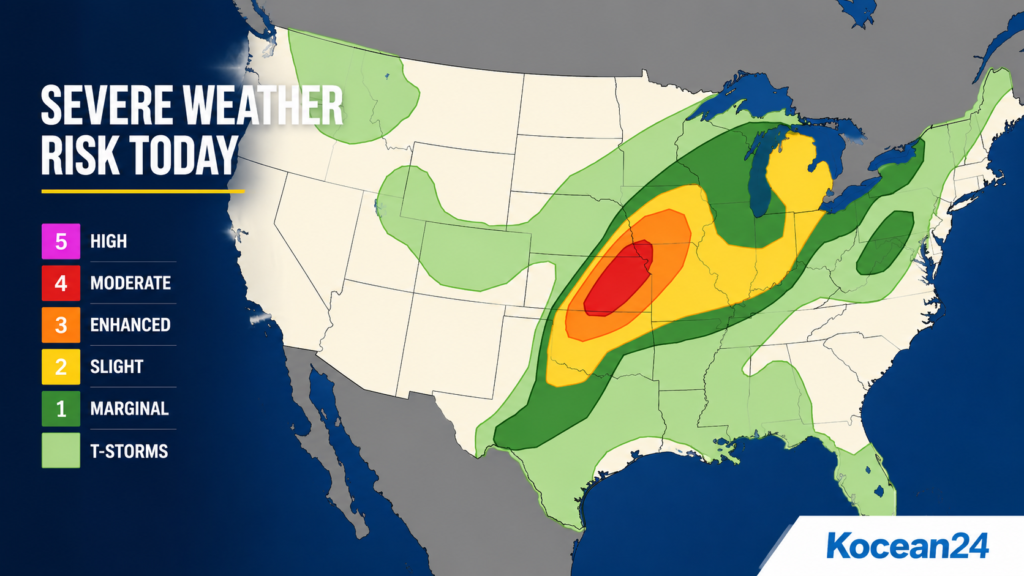
The most concerning area is from central Kansas and southeast Nebraska into Iowa and northwest Missouri. SPC says supercells in this zone can produce very large to giant hail and multiple strong to intense tornadoes. The risk is about several storms forming in an atmosphere that can support rotation, hail growth and damaging wind at the same time.
The danger can change fast tonight because storm mode matters. If storms stay isolated, the tornado risk stays higher. If they merge into clusters or lines, damaging wind becomes a bigger concern. SPC also notes that storms may grow upscale as they interact with an outflow boundary across northeast Kansas and northwest Missouri. That boundary can focus new storm growth and increase low level rotation near stronger cells.
6 States are Part of the Larger Severe Weather Story
The US storm outbreak now stretches from the central Plains into parts of the Midwest and Great Lakes as several storm clusters continue developing along a broad unstable corridor. Kansas, Nebraska and Iowa remain closest to the highest tornado concern where strong instability and intense wind shear continue supporting rotating supercells capable of producing tornadoes and giant hail.
Yahoo News reported that severe weather threats including strong tornadoes, giant hail and destructive winds continue Monday across Nebraska, Kansas and Iowa as meteorologists track a dangerous outbreak pattern moving through the region. (Yahoo News, Jonathan Erdman, May 18, 2026, Severe Weather Outbreak, Including Threat Of Strong Tornadoes, Continues Monday In Nebraska, Kansas, Iowa) (https://www.yahoo.com/news/articles/severe-weather-outbreak-including-threat-of-strong-tornadoes-continues-monday-in-nebraska-kansas-iowa-095500372.html)
Oklahoma remains connected to the southern side of the larger Plains system where severe thunderstorms continue forming along frontal boundaries. Minnesota and Michigan are tied to the same atmospheric setup but currently face a different hazard profile. In those northern states, forecasters are placing greater emphasis on damaging winds, hail and repeated storm rounds rather than the highest tier tornado environment.
The outbreak is not uniform across all 6 states. Kansas and Nebraska remain nearest to the strongest tornado conditions, while areas farther north and east are experiencing secondary severe weather impacts from the expanding storm complex.
Tornado Threat is Highest Where Supercells Stay Isolated
The US storm outbreak is becoming more dangerous where storms remain isolated instead of quickly merging into one large line. Meteorologists call these isolated rotating storms “supercells.” They are the storm type most strongly associated with intense tornadoes because they can maintain stronger rotation, stronger inflow and more organized structure for longer periods.
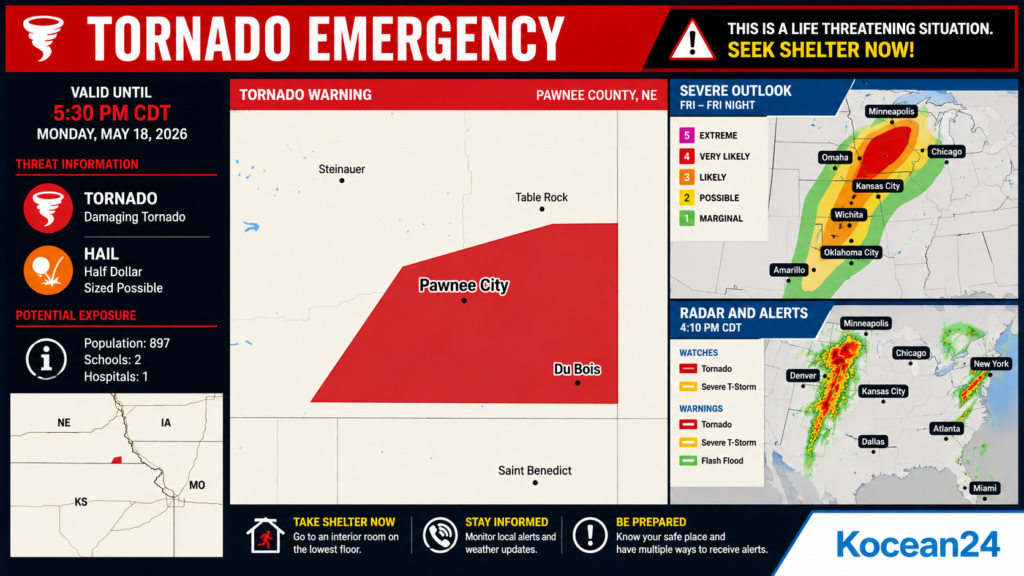
The Weather Channel’s live severe weather coverage reported tornado emergencies, damaging tornado warnings and rapidly intensifying supercells across parts of Nebraska, Kansas, Iowa and Missouri as the outbreak continued Monday night. (The Weather Channel, May 18, 2026, Live Updates: Tornadoes, Severe Storms Threaten Nebraska, Iowa, Kansas And Missouri) (https://weather.com/storms/tornado/news/2026-05-18-live-updates-tornado-nebraska-iowa-kansas-missouri)
Forecasters are especially concerned about eastern Nebraska and northeastern Kansas because low level wind shear is strengthening during the evening hours while atmospheric instability remains extremely high. That combination increases the probability of strong rotating supercells capable of producing long track tornadoes, giant hail and destructive wind damage.
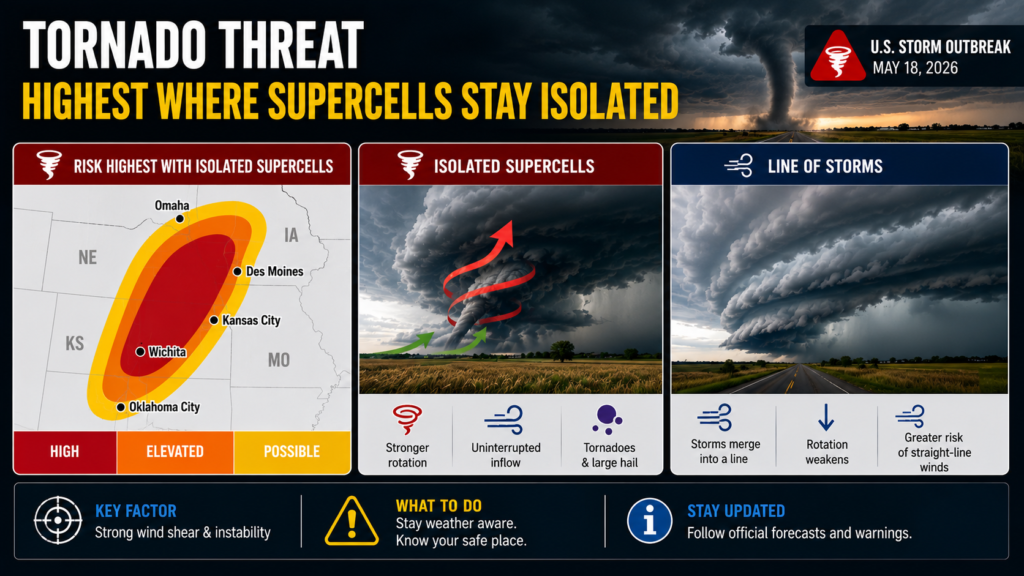
If these storms remain separated, tornado potential stays elevated because each storm can pull warm unstable air directly into its circulation without interference from nearby cells. Once storms merge into a larger squall line later tonight, the threat may gradually shift toward widespread damaging straight line winds and embedded tornadoes instead of isolated violent tornadoes.
Why Overnight Storms Are More Concerning
The US storm outbreak becomes more dangerous after dark because people may miss alerts while sleeping. Tornado warnings can develop quickly. Heavy rain can also reduce visibility and make roads unsafe. That is why local weather stations keep pushing radar updates during evening and overnight rounds.
For readers who follow science based explainers, Kocean24 also keeps a Science category focused on turning complex natural phenomena into clearer public understanding. (Kocean24, May 18, 2026, Science) (https://kocean24.com/category/study/science/)
What People Should Watch Now
The US storm outbreak should be tracked through local warnings, not only national headlines. A national risk map shows the larger setup, but a local warning tells people when danger is close. The most important signals are tornado warnings, severe thunderstorm warnings, flash flood warnings and updated radar tracks from trusted local meteorologists.
The safest public message is simple. Stay weather aware. Keep phone alerts on. Know the safest indoor room. Avoid waiting for outdoor signs before acting. Tornadoes can be rain wrapped, especially in fast moving storm systems.
Conclusion
The US storm outbreak remains a major weather story because several states are dealing with different layers of danger at the same time. Kansas, Nebraska and Iowa sit closest to the most serious tornado concern, while Oklahoma, Minnesota and Michigan remain part of the wider severe weather pattern. The smartest coverage is direct, verified and practical. People need clear warnings, local alerts and fast decisions when storms approach.
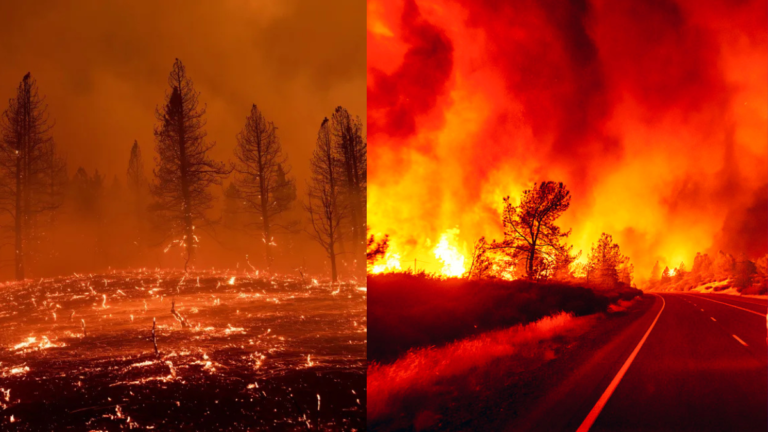
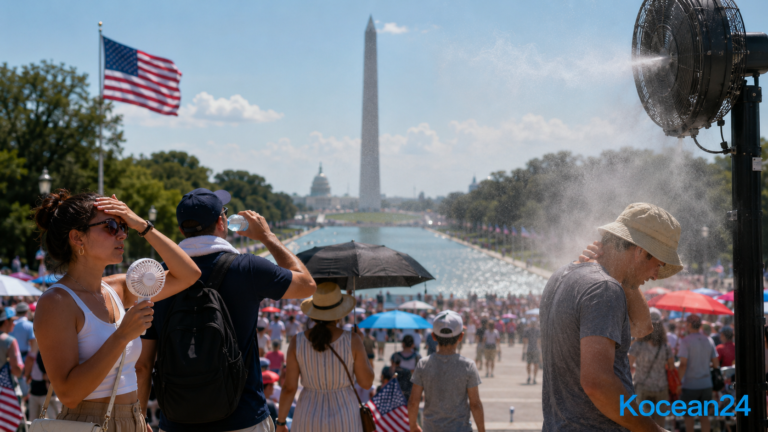



[…] Severe weather outbreaks, tornado threats, and climate linked emergencies are also placing growing pressure on American infrastructure and public safety systems, as seen in recent multi state storm threats covered by Kocean24 (Kocean24, May 17, 2026, US Storm Outbreak Tornado Threat 6 States) (https://kocean24.com/us-storm-outbreak-tornado-threat-6-states/) […]
[…] Public events are now judged by more than attendance and entertainment. Safety planning must include heat, storms, air quality, power demand, transportation pressure and medical readiness. Kocean24 has covered similar public safety thinking in weather events, including the need to stay weather aware and act before danger becomes visible. (Kocean24, Alex Hamilton, May 19, 2026, Massive US Storm Outbreak Spreads Dangerous Tornado Threat Across 6 States) (https://kocean24.com/us-storm-outbreak-tornado-threat-6-states/) […]