
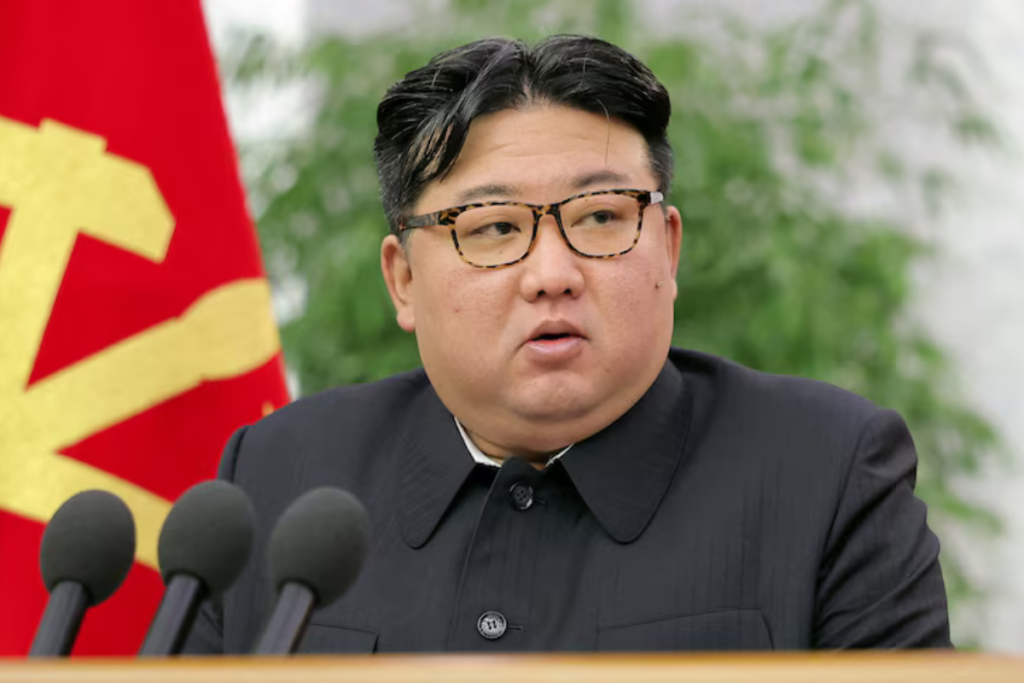
What If Kim Jong Un Died Suddenly?
What if Kim Jong Un died suddenly, leaving one of the world’s most heavily militarized and secretive nations without its supreme leader? The immediate consequences would extend far beyond North Korea’s borders. A struggle over succession, uncertainty surrounding nuclear weapons, and competing interests involving China, South Korea, and the United States could turn a domestic leadership crisis into an international security emergency. Yet the most likely outcome would not be North Korea’s sudden collapse or liberation. It would be an aggressive attempt by the ruling establishment to preserve the Kim dynasty, potentially under an even more unpredictable leadership arrangement.
The question has become especially relevant following unverified reports circulating in October 2026 alleging Kim Jong Un had suffered a fatal brain hemorrhage. Although fresh photographs released by North Korean state media contradict those claims, the rumors have exposed a serious concern: nobody outside Pyongyang can confidently explain how North Korea would manage an unexpected transfer of power.
Table of Contents
Is Kim Jong Un Really Dead? What We Know as of October 20, 2026
The latest rumors originated from social media claims alleging Kim Jong Un had suffered a severe cerebral hemorrhage, entered a coma, or been transported to Beijing for emergency treatment. Some accounts went further, claiming his younger sister, Kim Yo Jong, had already assumed control.
None of those extraordinary claims has been independently substantiated.
On October 20, specialist publication NK News reported that Kim Jong Un had attended a clothing and footwear exhibition alongside his daughter on October 19, according to North Korean state media. The appearance was reported after rumors began spreading across social platforms.
Photographs published by the Korean Central News Agency showed Kim inspecting clothing and footwear, directly challenging the narrative of his supposed death.
These images are significant, although North Korea’s strict control over information means independent verification of every aspect of the reported appearance remains difficult.
Similar speculation emerged in April 2020 when Kim disappeared from public view for approximately three weeks. Reports questioned whether he had undergone serious medical treatment or even died. He eventually reappeared publicly.
The October 2026 claims therefore provide no credible basis for declaring him dead. Nevertheless, they raise a question governments in Washington, Seoul, Beijing, and Tokyo cannot afford to ignore.
What if Kim Jong Un died without a fully established successor?
The answer begins with the political system his family has constructed over nearly eight decades.
Why Kim Jong Un’s Death Would Be Different From an Ordinary Leadership Change
North Korea is not a conventional authoritarian state in which a president can be replaced through a predictable political procedure.
Its governing structure combines hereditary leadership, a powerful military establishment, an entrenched security apparatus, and the ruling Workers’ Party of Korea.
The Kim family has dominated the country since its establishment in 1948.
Three generations have held supreme power:
- Kim Il Sung, the country’s founding leader, ruled until his death in 1994.
- Kim Jong Il succeeded his father and remained in power until 2011.
- Kim Jong Un inherited leadership following his father’s death in December 2011.
These transfers were not examples of democratic succession. They were carefully managed political transitions designed to preserve the family’s authority.
Kim Jong Un’s position rests on more than his formal government and party titles. His leadership is connected to the official mythology surrounding the Kim family, often associated with the Mount Paektu bloodline.
This matters because replacing him with someone outside the family could weaken the ideological foundation upon which the entire regime operates.
An unexpected death would also differ from a planned retirement or a lengthy transition. Without sufficient preparation, competing institutions could disagree over who has the authority to issue military orders, appoint senior officials, or represent the state internationally.
In a nuclear-armed country, even a brief period of uncertainty could have dangerous consequences.

Who Would Rule North Korea if Kim Jong Un Died?
The most important question following Kim’s hypothetical death would concern his successor.
Two members of his family stand out: his younger sister, Kim Yo Jong, and his daughter, Kim Ju Ae.
Their political positions are very different.
Kim Yo Jong: The Strongest Immediate Contender for Power
Kim Jong Un’s younger sister and senior Workers’ Party official
Kim Yo Jong has spent years establishing herself as one of North Korea’s most influential political figures.
Unlike her niece, she possesses substantial experience operating within the country’s governing institutions.
She has represented the regime through official statements, participated in high-profile diplomatic activity, and delivered confrontational warnings toward South Korea and the United States.
Her political importance was reinforced on October 19, 2026, when she warned that North Korea was considering additional tactical weapons deployments and a resumption of loudspeaker broadcasts near its southern border.
According to Reuters, her remarks followed allegations involving South Korean warning shots and tensions along the heavily fortified border. Such statements demonstrate her involvement in sensitive national security matters. If Kim Jong Un died unexpectedly, Kim Yo Jong would be among the most plausible figures capable of coordinating an immediate political response.
She understands the ruling party, has established relationships with senior officials, and belongs to the family whose hereditary authority underpins the regime.
However, being politically influential does not automatically make her the designated successor.
North Korea’s senior military and party leadership would still have to accept her authority.
A woman taking supreme power would also represent an unprecedented development in a political system historically dominated by men.
Despite these obstacles, Kim Yo Jong appears better positioned to exercise immediate practical authority than Kim Ju Ae in the event of an abrupt succession crisis.
Her strongest advantage is not simply family membership. It is her experience within the machinery of power.
Kim Ju Ae: The Likely Dynastic Heir but an Uncertain Immediate Leader
Kim Jong Un’s daughter, widely identified as Kim Ju Ae, has increasingly appeared beside her father at military ceremonies, weapons demonstrations, and important state events.
Her visibility has prompted speculation about a fourth generation of Kim family rule. In February 2026, South Korea’s National Intelligence Service assessed that she had entered the process of being designated as her father’s successor.
The assessment, reported by Yonhap News Agency, cited her expanding presence at official events and indications of involvement in discussions concerning state affairs. By April, South Korean intelligence officials were expressing greater confidence in her status as the intended successor.
However, succession planning and the ability to govern immediately are separate matters. Kim Ju Ae is believed to have been born around 2013, making her approximately 13 years old in October 2026. She has no publicly established record of independently directing the military, running the Workers’ Party, or managing the country’s security institutions.
Even if her father has selected her as his eventual replacement, an unexpected death could leave her dependent on powerful adults. A regency-style arrangement, with senior family members and officials exercising authority on her behalf, is one plausible scenario.
Kim Yo Jong could potentially serve as a protector of her niece’s claim while retaining considerable influence over government decisions.
However, such an arrangement would depend on the willingness of influential officials to cooperate. It could also create an uncomfortable question: would the person exercising real power eventually surrender it to the younger heir?
Could Kim Yo Jong and Kim Ju Ae Become Political Rivals?
A confrontation between the two women is possible, but it is not inevitable.
Their respective positions could complement each other during a succession crisis.
Kim Ju Ae could provide hereditary legitimacy, while Kim Yo Jong could provide political experience and institutional coordination.
A September 2026 analysis published by 38 North examined how Kim Yo Jong’s prominent role might help normalize the idea of female authority within the ruling family.
This possibility challenges the assumption that the aunt and niece must become enemies.
Still, North Korea’s political system offers few transparent mechanisms for resolving disagreements at the highest level.
If influential military commanders backed different claimants, a family succession could develop into a broader contest for control of the state.
The critical issue would be whether the ruling elite agreed on a single leadership arrangement before divisions became visible.
What Would Happen to North Korea’s Nuclear Weapons?
The greatest international danger following Kim Jong Un’s sudden death would not necessarily be a civil war. It would be uncertainty over who controls the country’s nuclear arsenal.
North Korea has invested heavily in nuclear weapons and ballistic missile systems capable of threatening neighboring countries and, depending on the delivery system, targets much farther away.
Its nuclear program is central to the regime’s survival strategy.
Kim Jong Un regards these weapons as a deterrent against foreign intervention and a means of securing international recognition.
However, the country’s nuclear command structure is unusually dependent on the supreme leader.
The Dangerous Problem of Nuclear Command and Control
In September 2022, North Korea adopted legislation defining circumstances under which its nuclear weapons could be used.
The law reinforced the supreme leader’s authority over nuclear decisions while establishing provisions for preplanned nuclear retaliation if hostile attacks endangered the command system.
An analysis by 38 North examining North Korea’s nuclear command structure explained the tensions between centralized political authority and the need to maintain a credible nuclear deterrent.
One distinction is essential: North Korea’s provisions concerning automatic retaliation address an attack threatening its command system. They do not establish that Kim Jong Un’s death from natural causes would automatically trigger a nuclear launch.
Nevertheless, an unexpected succession could create several serious problems.
Senior military officers might be uncertain about whose orders they should obey. Rival leadership factions could seek influence over strategic forces. Foreign intelligence agencies might struggle to distinguish routine military activity from preparations for conflict.
An especially dangerous scenario would emerge if North Korean commanders believed foreign governments intended to exploit the leadership crisis.
Military movements intended to deter an attack could be misinterpreted by South Korea or the United States as preparations for aggression.
The resulting cycle of alerts, deployments, and countermeasures could increase the risk of accidental escalation.
The most dangerous consequence of Kim Jong Un’s death would be a nuclear command crisis, not an automatic nuclear attack.
The distinction matters because uncertainty, rather than deliberate aggression, could become the principal threat during the initial transition.
Would North Korea Collapse After Kim Jong Un’s Death?
What if Kim Jong Un died and the country’s political institutions suddenly lost their central figure?
Some observers might expect the dictatorship to disintegrate immediately.
Such expectations overlook the strength of North Korea’s security establishment and the interests of the officials who maintain it.
The country’s ruling elite includes senior Workers’ Party officials, military commanders, intelligence personnel, and administrators whose privileges depend on the existing political order.
These individuals have powerful incentives to prevent a collapse.
A breakdown of the regime could expose them to political retaliation, loss of property, prosecution, or violent competition with rival factions.
Consequently, preserving the system would likely become their immediate priority.
Why the Regime Could Survive Without Kim Jong Un
North Korea has already survived the deaths of two supreme leaders.
Kim Il Sung died in 1994, yet the state remained intact.
Kim Jong Il died in 2011, and the government successfully transferred authority to his son.
These precedents do not guarantee another smooth succession, but they demonstrate that North Korea’s institutions are not entirely dependent on one individual remaining alive.
The military, security services, party bureaucracy, and propaganda apparatus could continue functioning while senior officials negotiated a replacement.
A new leader might initially rely on collective decision-making behind the scenes, even while state media presented an image of unquestioned personal authority.
The public would probably receive carefully controlled announcements emphasizing national unity and loyalty to the ruling family.
A period of official mourning could also serve as an opportunity to secure allegiance from military commanders and provincial officials.
However, an orderly transition would become harder if Kim Jong Un died before a successor had acquired sufficient authority.
Could There Be a Military Coup?
A military coup cannot be ruled out, but it should not be treated as the most likely outcome.
North Korea’s political structure has historically been designed to discourage independent centers of power.
Military commanders operate within a system of party oversight, ideological supervision, and extensive security monitoring.
A successful coup would require coordination among influential officials who might distrust one another.
It would also require overcoming the symbolic legitimacy of the Kim family.
For these reasons, an arrangement preserving hereditary leadership while distributing practical responsibilities among experienced officials appears more plausible than an immediate military takeover.
Nevertheless, prolonged disagreement over succession could weaken the system and create opportunities for ambitious individuals.
The danger would increase if rival factions attempted to secure exclusive control over strategic military units or internal security organizations.
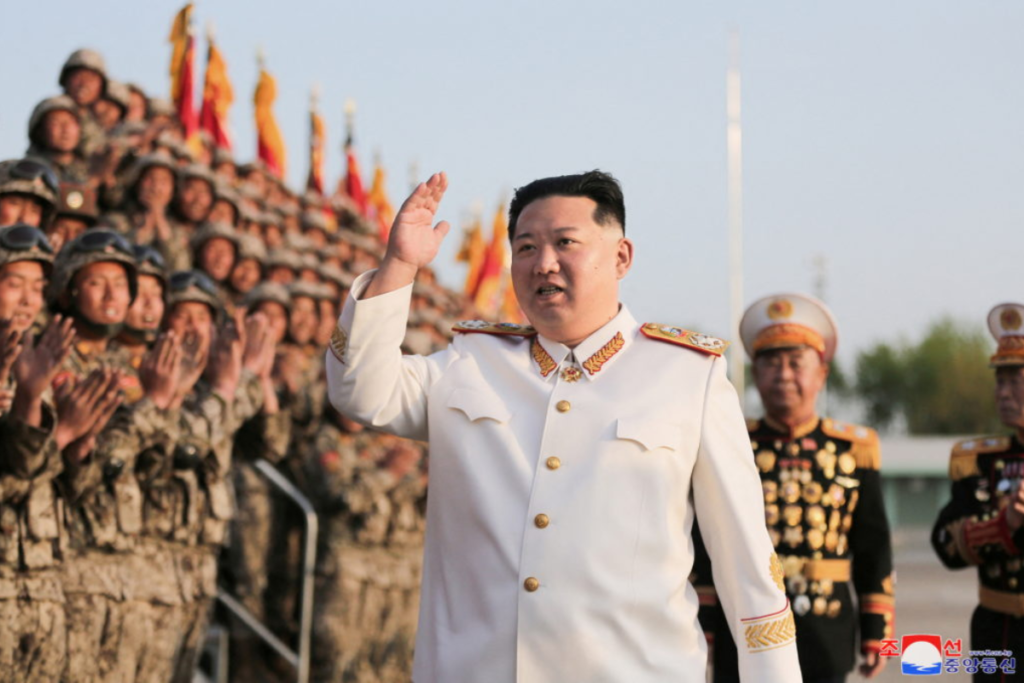
Would South Korea Face a New Security Emergency?
South Korea would be among the countries most directly affected by Kim Jong Un’s death.
The two Koreas remain technically at war because the 1950 to 1953 Korean War ended with an armistice rather than a comprehensive peace treaty.
Their border remains heavily fortified, while North Korea maintains substantial conventional and missile capabilities.
A sudden leadership crisis in Pyongyang would likely prompt Seoul to intensify intelligence gathering, monitor military movements, and coordinate closely with Washington.
South Korean officials would need to determine whether North Korea’s military chain of command remained intact.
They would also have to consider whether competing factions might use confrontational actions to demonstrate loyalty or strengthen their domestic positions.
Why South Korea Would Avoid Exploiting the Crisis
An unexpected opportunity to weaken the North Korean regime might appear attractive to some political figures.
However, attempting to exploit a succession crisis militarily could produce catastrophic consequences.
North Korean commanders might interpret unusual South Korean troop movements as preparations for invasion.
Even defensive deployments could be misunderstood during a period of intense uncertainty.
Seoul’s strongest immediate strategy would therefore be deterrence combined with restraint.
The objective would be to prevent conflict while ensuring North Korea understood that an attack would provoke a decisive response.
A sudden collapse of the North Korean government could also create serious humanitarian challenges, including internal displacement, food shortages, and possible refugee movements.
South Korea would have to prepare for those contingencies without assuming collapse was inevitable.
How Would the United States Respond?
The United States would face a complicated strategic problem.
Washington maintains a military alliance with South Korea and provides security commitments to Japan.
American forces stationed in South Korea form an important part of the regional deterrence structure.
Following Kim Jong Un’s hypothetical death, the United States would likely prioritize three objectives: preventing nuclear escalation, protecting its allies, and establishing communication with whoever controlled North Korea’s government.
The difficulty would be identifying a credible decision-maker.
If Kim Yo Jong emerged as the principal authority, Washington might seek indirect communication through existing diplomatic channels.
If a collective leadership arrangement developed, American officials could find it harder to determine which representatives possessed genuine authority.
Would Washington Attempt Regime Change?
An aggressive attempt to overthrow North Korea’s leadership would carry enormous risks.
The United States could not assume North Korea’s nuclear arsenal would remain secure during a military confrontation.
Nor could Washington assume China would tolerate a foreign-backed political transformation on its border.
The possibility of American and Chinese forces becoming involved in the same crisis would complicate military planning considerably.
The more realistic initial American response would involve heightened surveillance, diplomatic coordination, and defensive readiness.
Washington might also examine whether a new leadership offered opportunities for renewed nuclear negotiations.
However, the death of one leader would not erase the strategic reasons North Korea developed nuclear weapons.
Any successor would still have powerful incentives to retain them.
China’s Role: Why Beijing Could Become the Most Important Foreign Player
China would probably have greater immediate influence over developments inside North Korea than any other foreign government.
The two countries share a border and maintain longstanding political and economic relationships.
Beijing also has strong reasons to oppose sudden instability in North Korea.
A serious breakdown could disrupt border security, generate refugee movements, and potentially bring American-allied military forces closer to Chinese territory.
China would therefore have an interest in maintaining an orderly succession.
Would China Support Kim Yo Jong?
Beijing’s primary concern would likely be stability rather than the personal ambitions of a particular member of the Kim family.
If Kim Yo Jong secured broad acceptance among senior North Korean officials, China might find her leadership practical.
If Kim Ju Ae became the recognized successor under an experienced governing arrangement, Beijing could also have reasons to support continuity.
The decisive question would be which arrangement could maintain effective control over the military, government, and nuclear arsenal.
China might increase diplomatic engagement and economic assistance to help stabilize a new leadership.
It could also reinforce border security if conditions deteriorated.
Direct Chinese military intervention, however, would be a much more consequential step. It should not be assumed without evidence of an exceptional security emergency.
Could China Turn North Korea Into a More Dependent State?
A vulnerable successor might rely more heavily on Chinese political recognition, economic support, and diplomatic protection.
Such dependence could give Beijing additional leverage over Pyongyang.
However, North Korea has historically resisted becoming completely subordinate to foreign powers, including China.
The regime’s emphasis on sovereignty and political independence is deeply embedded in its official ideology.
A new leader would therefore face competing pressures: obtaining China’s assistance while preserving the appearance and substance of national independence.
This tension could shape North Korea’s foreign policy for years after a succession.
What Would Happen to North Korea’s Relationship With Russia?
Russia would also have a significant interest in preserving North Korea’s political stability.
Relations between Moscow and Pyongyang have strengthened through military and diplomatic cooperation, particularly since Russia’s full-scale invasion of Ukraine.
North Korea has become strategically useful to Russia, while Moscow has provided Pyongyang with diplomatic support and opportunities for deeper cooperation.
A leadership change could introduce uncertainty into these arrangements.
Russian officials would want assurances that existing commitments remained valid.
A new North Korean leadership might seek continued Russian support to balance China’s influence and maintain leverage against the United States.
However, internal political uncertainty could temporarily disrupt decision-making.
If senior officials concentrated on securing the succession, foreign policy initiatives might receive less attention.
The most likely result would be an effort to preserve existing strategic relationships rather than a dramatic reversal.
A new leader would inherit the same geopolitical environment, economic limitations, and security concerns confronting Kim Jong Un.
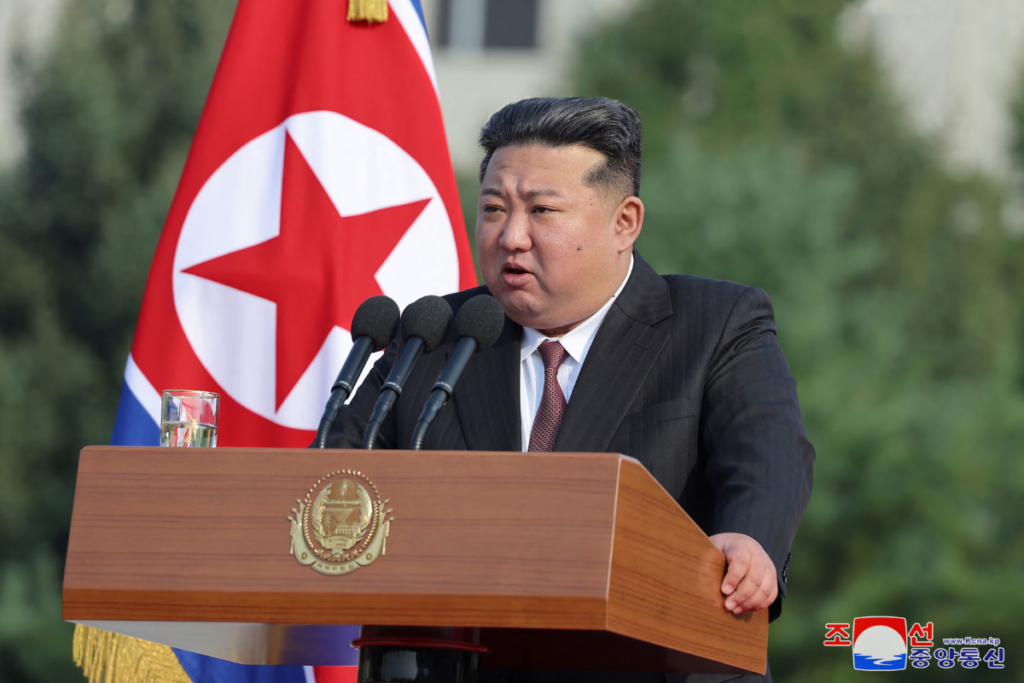
Could Kim Jong Un’s Death Lead to Korean Reunification?
What if Kim Jong Un died and North Korea’s leadership structure eventually collapsed?
For many Koreans, reunification represents a powerful historical aspiration.
Families remain divided by the peninsula’s political separation, while the two countries have developed dramatically different economic and social systems.
Yet the death of North Korea’s leader would not automatically bring reunification closer.
Why Reunification Would Remain Difficult
North Korea’s political institutions would have to undergo fundamental changes before meaningful integration could begin.
Even if a reform-minded government emerged, it would face enormous challenges.
The country’s infrastructure, economic system, public institutions, and legal arrangements differ substantially from those of South Korea.
Reunification would require decisions concerning citizenship, property rights, employment, education, social services, and political representation.
It would also require a comprehensive strategy for managing North Korea’s military forces and nuclear weapons.
China’s position would be particularly important.
Beijing would be concerned about the security implications of a unified Korean Peninsula closely aligned with Washington.
These obstacles would not make reunification impossible, but they would make an immediate merger highly unlikely.
Why Reunification Should Not Be the First Priority
A sudden attempt to unify the peninsula during a leadership crisis could destabilize the entire region.
The immediate priorities would need to be nuclear security, humanitarian protection, and preventing armed conflict.
Longer-term political integration could only proceed through careful negotiations and a stable security framework.
A successful transition would require far more than removing a dictator.
It would require rebuilding institutions capable of governing millions of people.
Would Ordinary North Koreans Experience Greater Freedom?
For ordinary North Koreans, Kim Jong Un’s death could produce hope, uncertainty, or fear.
The country maintains extensive restrictions on political expression, independent media, movement, and access to outside information.
A leadership transition could eventually create opportunities for reform.
However, the ruling elite might initially respond by tightening control.
Security agencies could increase surveillance to prevent public disorder or opposition activity.
Border restrictions might become more severe, particularly if officials feared defections or the spread of politically sensitive information.
A new leader might also organize large public demonstrations of loyalty to establish legitimacy.
Could a New Leader Introduce Economic Reforms?
Limited economic changes would be possible, especially if the successor sought to improve living conditions without weakening political control.
North Korea has already experienced varying degrees of market activity alongside its centrally controlled economic structure.
A new leadership might attempt to expand agricultural productivity, encourage selected commercial activities, or pursue additional trade with China.
However, meaningful economic reform would require confronting deep structural problems.
International sanctions, military spending, weak infrastructure, and restrictions on private enterprise limit economic development.
A successor committed to maintaining the existing political system might prioritize stability over major reform.
The strongest reason to doubt an immediate liberalization is straightforward: the officials most likely to manage the transition are also the individuals who benefit from the current system.
A change in leadership would not necessarily mean a change in government philosophy.
For North Korean citizens, genuine improvements would depend on policies adopted after the succession, not merely on the identity of the new supreme leader.
Could Kim Jong Un’s Death Trigger a Third World War?
The possibility of a wider war would attract considerable attention during a North Korean succession crisis.
The country occupies a strategically sensitive position between China, South Korea, Japan, and the broader American military presence in East Asia.
However, a leadership death would not automatically create the conditions for a world war.
A major international conflict would require additional developments, such as military attacks, severe miscalculations, or direct confrontation between powerful states.
The Most Dangerous Escalation Scenario
One particularly serious scenario would involve rival North Korean factions struggling for control while neighboring countries increased military readiness.
Suppose one faction moved strategic weapons to demonstrate its authority.
South Korean and American intelligence agencies might interpret those movements as preparations for an attack.
Additional defensive deployments could then convince North Korean commanders that foreign intervention was imminent.
If China simultaneously reinforced its border or issued strong warnings against external involvement, the crisis could become more complicated.
Under these conditions, a relatively limited internal struggle could create an international confrontation.
Nevertheless, the countries involved would have strong incentives to avoid a full-scale war.
China, the United States, South Korea, and Japan would all face enormous costs from military escalation.
The greater danger would be miscalculation during a period when reliable information was scarce.
Three Possible Scenarios After Kim Jong Un’s Death
The consequences would depend heavily on whether the death occurred unexpectedly and how thoroughly succession arrangements had been prepared.
The following scenarios represent analytical possibilities rather than confirmed plans.
| Scenario | What Could Happen | Assessment |
|---|---|---|
| Controlled dynastic succession | Kim Ju Ae becomes the symbolic heir while Kim Yo Jong and senior officials manage the transition | Most plausible broad outcome |
| Kim Yo Jong assumes direct leadership | The sister consolidates support within the party and military and becomes supreme leader | Credible alternative |
| Elite fragmentation | Rival officials compete for authority, creating military and political instability | Less likely but most dangerous |
Scenario One: A Controlled Succession Preserves the Kim Dynasty
The ruling party and military rapidly agree on a new leadership arrangement.
Kim Ju Ae might be presented as the family’s future leader, while experienced officials handle immediate responsibilities.
State media would emphasize continuity, loyalty, and national unity.
The government would probably retain its nuclear weapons and existing security policies.
This scenario is the strongest overall expectation because it aligns with the ruling elite’s interests in preserving the system.
Scenario Two: Kim Yo Jong Takes Direct Control
Kim Yo Jong could emerge as the central political figure if the ruling establishment decided that the country needed an experienced leader immediately.
Her established role in state affairs would strengthen her claim.
She might adopt a particularly assertive public posture to demonstrate authority and discourage domestic challenges.
However, her actual policies would depend on military support, economic conditions, and the wider international environment.
There is no reliable basis for assuming she would necessarily be more aggressive than her brother in every circumstance.
Scenario Three: A Divided Leadership Produces a Prolonged Crisis
The most dangerous scenario would involve disagreement among powerful institutions over the succession.
Competing factions could seek control of security agencies, military commands, and key government offices.
An extended crisis might disrupt economic management, weaken central authority, and increase tensions with neighboring countries.
Foreign governments could struggle to identify a reliable negotiating partner.
This outcome would be especially concerning because North Korea possesses nuclear weapons.
However, a succession dispute should not automatically be equated with nationwide civil war.
Even divided elites could eventually reach an arrangement if they believed prolonged confrontation threatened their collective survival.
How Long Would North Korea Take to Stabilize After Kim Jong Un’s Death?
A leadership transition could unfold in stages.
The initial period would likely involve securing military command structures, confirming the succession arrangement, and managing official announcements.
The first several days would be particularly important because foreign governments would be attempting to establish whether the military remained under unified control.
During the following weeks, the new leadership might appoint or reaffirm senior officials, organize political ceremonies, and demonstrate its ability to govern.
However, formal recognition would not necessarily mean genuine consolidation.
A successor might require months or years to establish the personal authority Kim Jong Un developed after taking power in 2011.
The speed of stabilization would depend on several factors, including the successor’s age, elite cooperation, military loyalty, and foreign support.
If the transition were carefully prepared, visible disruption could be limited.
If the death were unexpected and competing officials disputed authority, uncertainty could last much longer.
The important distinction is between announcing a successor and establishing a durable leadership.
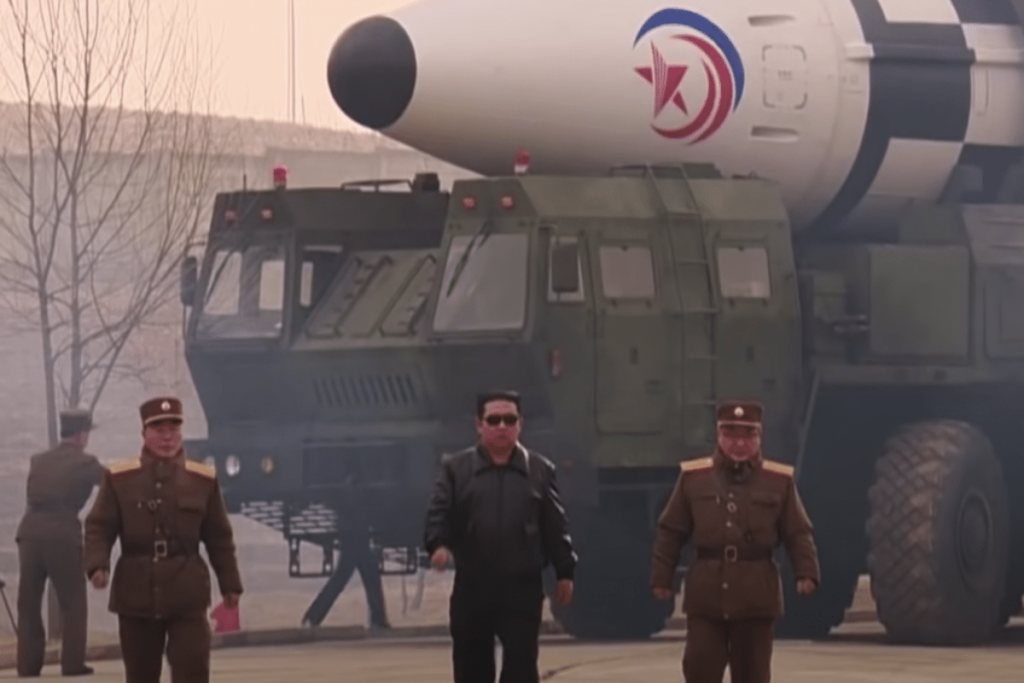
Would Kim Jong Un’s Death Make the World Safer?
This question deserves a clear answer. Kim Jong Un’s sudden death would probably make Northeast Asia more dangerous in the short term, not safer.
His government has pursued nuclear expansion, maintained severe domestic repression, and repeatedly confronted neighboring countries. Nevertheless, removing the individual at the top of such a system would not automatically eliminate the institutions, weapons, or political incentives sustaining it.
The successor would inherit an established security apparatus, an extensive military organization, and a nuclear deterrence strategy deeply connected to regime survival. Even a leader personally interested in reform would face pressure from officials determined to preserve their positions.
A transition could eventually produce diplomatic opportunities. A new government might seek sanctions relief, economic cooperation, or reduced international isolation.
But those possibilities would depend on deliberate policy changes. They should not be confused with the immediate consequences of an unexpected death. The world would have to judge the successor by actual decisions rather than expectations created by the disappearance of Kim Jong Un.
Conclusion: What If Kim Jong Un Really Died?
What if Kim Jong Un died tomorrow? North Korea would almost certainly enter one of the most sensitive periods in its modern history, but the dictatorship would not necessarily collapse. The strongest expectation is that senior party officials, military commanders, and members of the Kim family would move rapidly to preserve the existing political order.
Kim Yo Jong could become the most influential immediate decision-maker, while Kim Ju Ae’s growing status as a possible dynastic successor would complicate the question of long-term leadership. The greatest danger would be uncertainty surrounding nuclear command and military authority, particularly if competing factions emerged or foreign governments misread developments inside Pyongyang.
China would seek stability, South Korea and the United States would strengthen their defensive readiness, and ordinary North Koreans could face another period of intense political control. If you are interested to read more about geopolitics, check out our category on the same.
Kim Jong Un’s death might eventually create an opportunity for change, but expecting it to bring immediate freedom, reunification, or peace would be a serious mistake. The most likely outcome is not the end of the Kim dynasty. It is the beginning of another determined effort to keep the dynasty alive.
