Physical Address
304 North Cardinal St.
Dorchester Center, MA 02124
Physical Address
304 North Cardinal St.
Dorchester Center, MA 02124
Flight delays are not small travel problems. They reveal pressure inside aviation systems. Weather, software failures, operational mistakes, and human behavior all play a role. Some delays become global headlines because they expose how quickly aviation can lose control. These 7 cases stand out because they forced airlines and regulators to rethink how the system works.
JetBlue attempted to operate flights during a severe ice storm at JFK Airport in February 2007. Aircraft became stuck on taxiways, and passengers remained onboard for hours without proper communication or support.
More than 1,000 flights were eventually canceled after the system collapsed under pressure. (Harvard Business School, Julia Hanna, March 31, 2008, JetBlue’s Valentine’s Day Crisis) (https://www.library.hbs.edu/working-knowledge/jetblues-valentines-day-crisis)
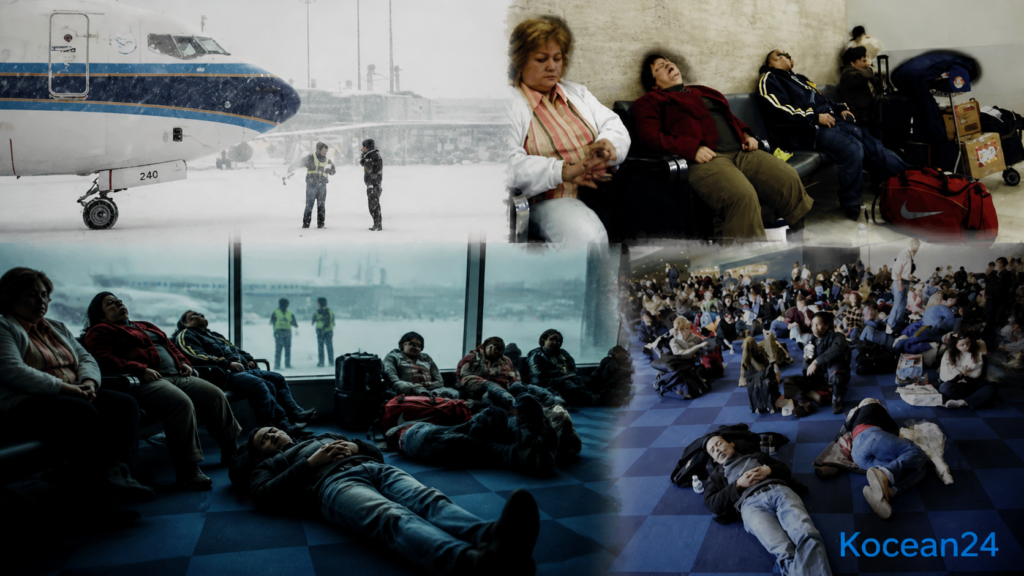
This incident triggered major reforms. Airlines began introducing passenger rights policies that limited how long travelers could remain onboard during delays.
After the 2006 mid air collision involving Gol Flight 1907, Brazil’s aviation system entered a prolonged crisis. Air traffic controllers protested working conditions, slowing operations across the country.
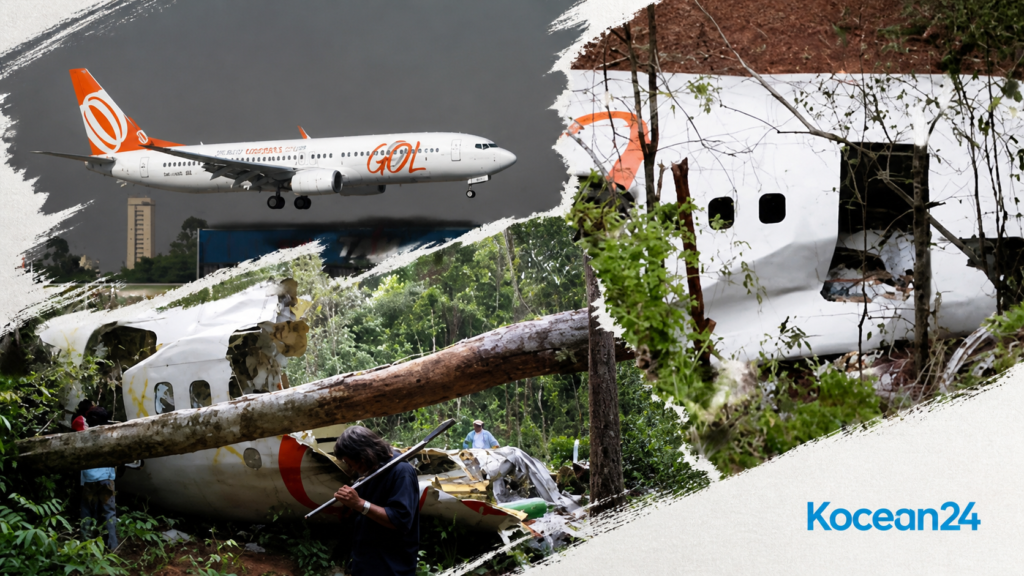
The disruption caused widespread flight delays and cancellations, with passengers stranded at major airports for extended periods. (BBC News Brasil, August 9, 2024, Tragédia aérea é a mais letal desde 2007: os acidentes que abalaram o Brasil) (https://www.bbc.com/portuguese/articles/cvg4713el85o)
This case shows how one major incident can destabilize an entire national aviation system.
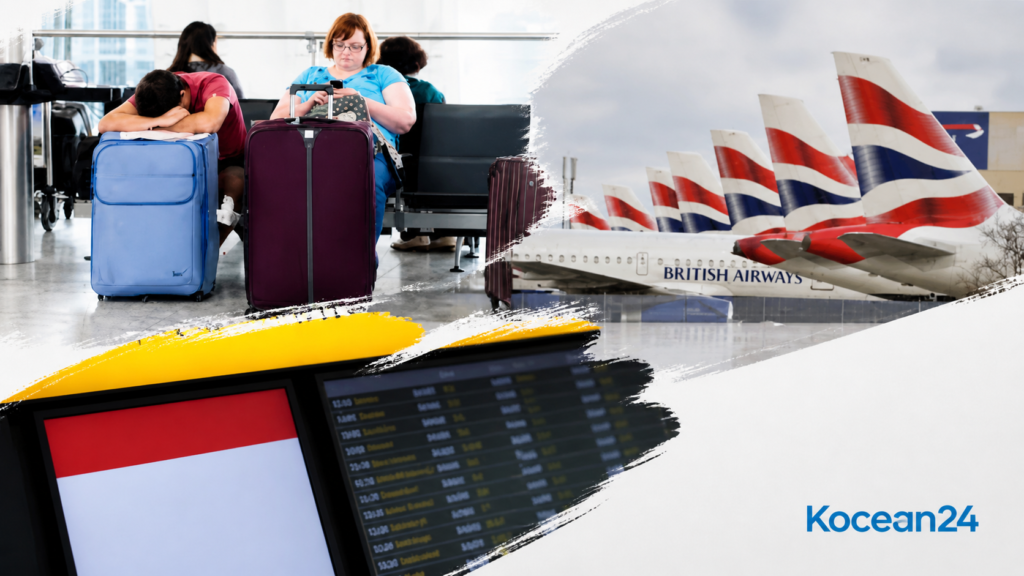
In May 2017, a sudden power supply failure shut down critical British Airways computer systems at its main data center. The outage disrupted check in, baggage handling, and flight scheduling systems within minutes, forcing the airline to halt operations across major hubs including London Heathrow and Gatwick.
Flights were grounded globally as the airline lost operational visibility. Thousands of passengers were stranded, and recovery took several days due to the complexity of restoring interconnected systems. The failure was later linked to an uncontrolled power restoration process after an outage, which damaged IT infrastructure and exposed weak backup planning. (The Guardian, May 31, 2017, BA IT shutdown caused by uncontrolled return of power after outage) (https://www.theguardian.com/business/2017/may/31/ba-it-shutdown-caused-by-uncontrolled-return-of-power-after-outage)
This incident showed how modern aviation depends on centralized digital systems. When core infrastructure fails, airlines lose the ability to operate even basic functions. It became a defining case of how technical fragility can trigger large scale flight delays across the world.
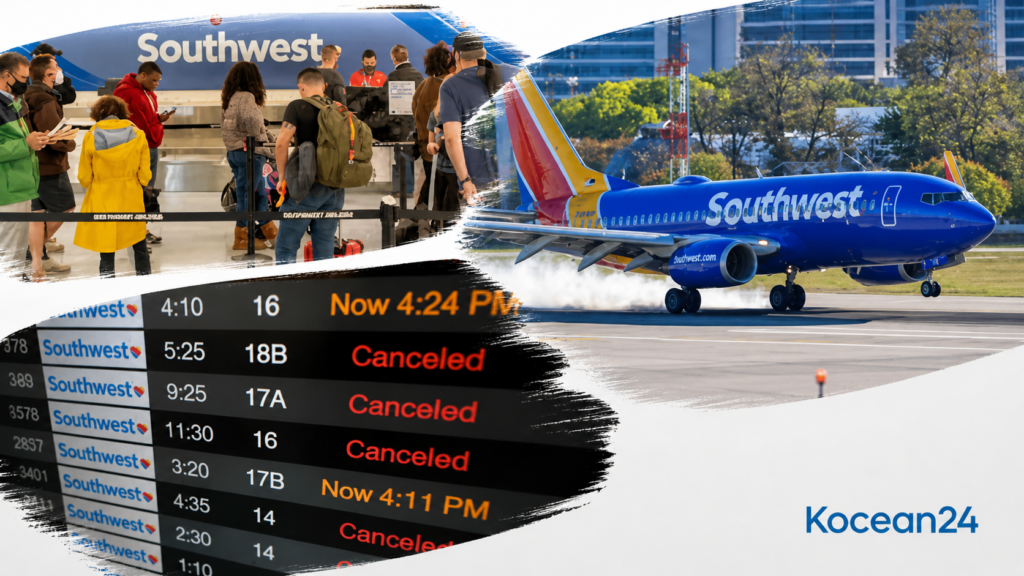
During the 2022 holiday season, Southwest Airlines faced one of the largest operational failures in US aviation history. A severe winter storm disrupted flights, but the deeper issue came from the airline’s internal crew scheduling system, which could not handle rapid changes under pressure.
The system failed to track crew locations and assignments in real time, forcing manual interventions that slowed recovery. As a result, thousands of flights were canceled over several days, leaving millions of passengers stranded across the United States. (Flight Safety Detectives, 2025, Southwest Scheduling Grounding 2022) (https://flightsafetydetectives.com/wp-content/uploads/2025/09/Southwest_Scheduling_Grounding_2022.pdf)
This case makes one thing clear. Weather may trigger disruption, but weak operational systems turn disruption into collapse.
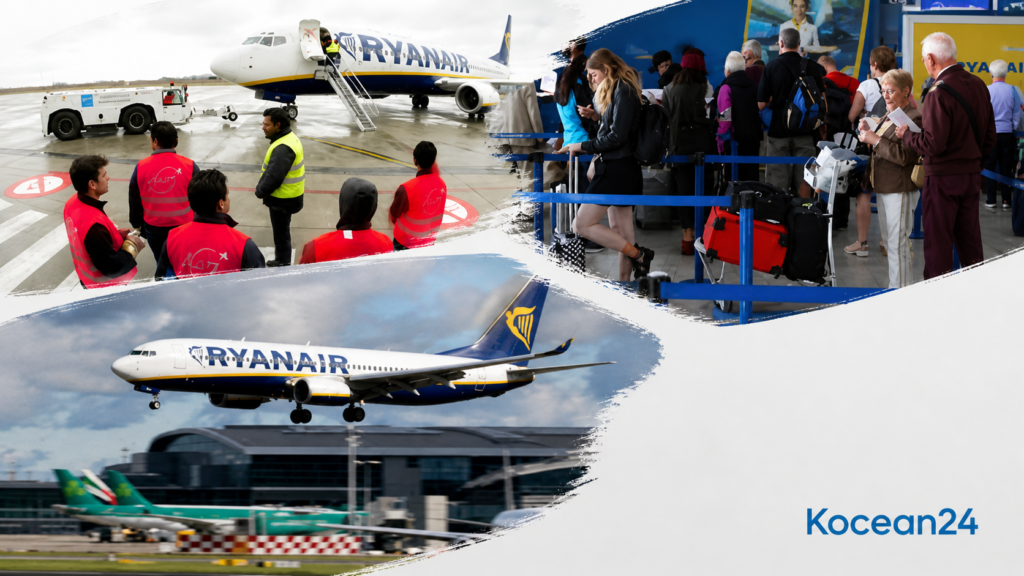
In 2017, Ryanair triggered widespread disruption across Europe after failing to properly manage pilot leave schedules. A miscalculation in annual leave allocation created an immediate shortage of available pilots, forcing the airline to cut capacity at short notice.
Hundreds of flights were canceled and delayed over several weeks, affecting hundreds of thousands of passengers and creating operational chaos across multiple countries. About flight delay, the airline acknowledged that internal planning errors were the root cause of the crisis, not external factors. (The New York Times, September 27, 2017, Ryanair Cancels Thousands of Flights Because of Pilot Scheduling Error) (https://www.nytimes.com/2017/09/27/business/ryanair-flights-canceled.html)
This case shows a critical aviation truth. When internal planning fails, disruptions spread quickly and become difficult to contain across a networked system.
In April 2017, a United Airlines flight departing from Chicago faced a major disruption after the airline attempted to free seats for crew members. When no passengers volunteered, one traveler was forcibly removed by airport security, delaying the flight and escalating the situation onboard.
The incident was captured on video by other passengers and spread globally within hours, triggering intense backlash against the airline’s handling of the situation. Public outrage forced United Airlines to issue multiple apologies and review its overbooking and passenger handling policies. (BBC News, April 11, 2017, United Airlines passenger dragged off overbooked flight) (https://www.bbc.com/news/world-us-canada-39556910)
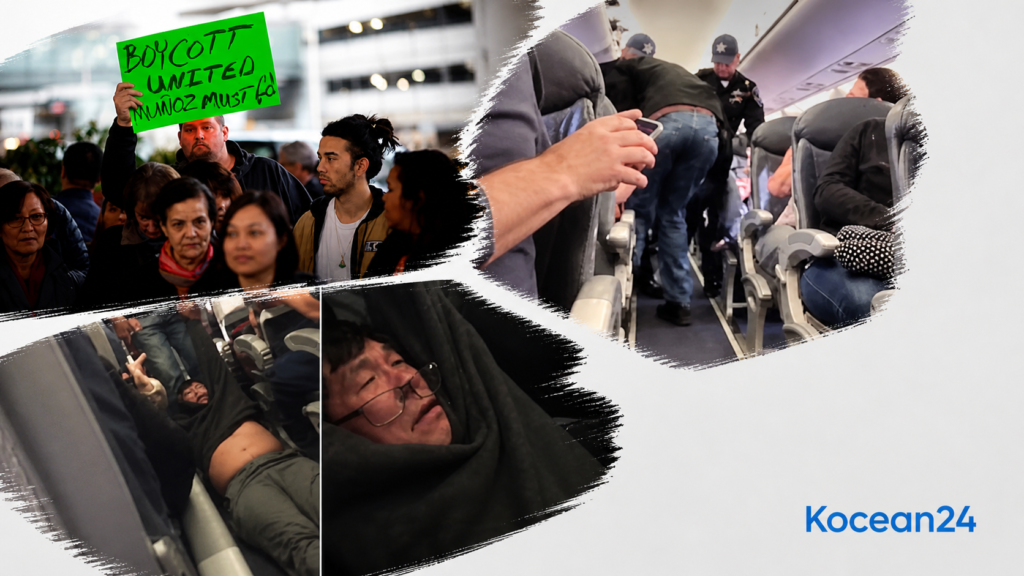
This case highlights a critical reality. Policy driven decisions, when poorly executed, can create both operational delays and immediate global reputational damage.
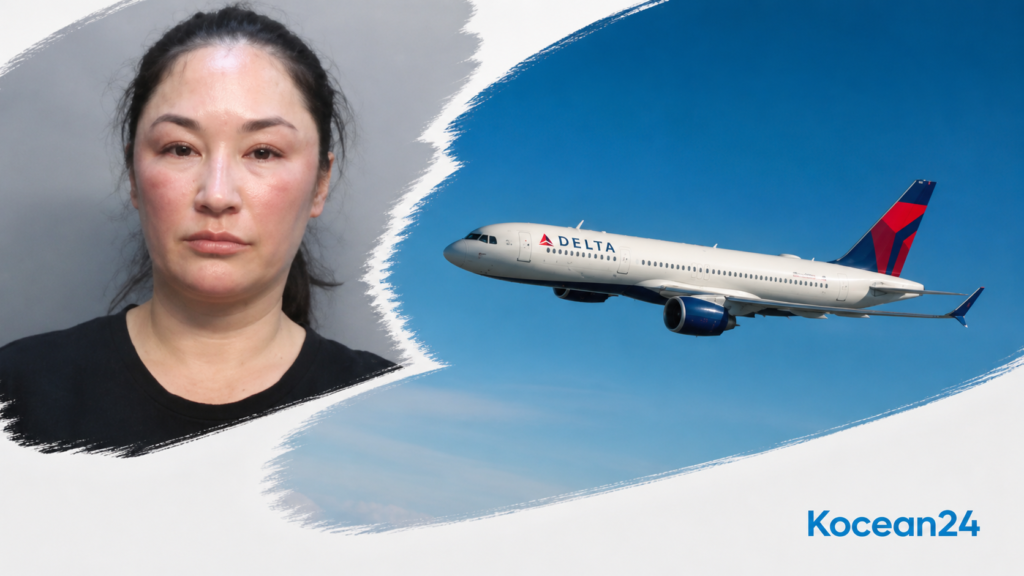
A Delta flight from Miami to Atlanta was delayed after a passenger refused to end a phone call during pre takeoff safety procedures. Crew instructions were ignored, and the situation escalated.
The passenger was removed, and the flight departed after a delay of about one hour. (CBS News, May 2, 2026, Passenger taken off Delta flight from Miami to Atlanta after refusing to end phone call) (https://www.cbsnews.com/atlanta/news/passenger-taken-off-delta-flight-from-miami-to-atlanta-after-refusing-to-end-phone-call-officials-say/)
This recent case shows how individual behavior can disrupt an entire flight operation.
Recent incidents reinforce a clear pattern in how flight delays develop and escalate. Most disruptions are not caused by a single failure. They emerge when multiple pressure points collide at the same time, such as operational overload, environmental disruption, and delayed response coordination. A detailed case from El Paso International Airport shows how sudden safety concerns and emergency response actions can shut down operations immediately, triggering cascading delays across scheduled flights. (Kocean24, El Paso Airport Closes) (https://kocean24.com/el-paso-airport-closes/)
This pattern highlights a key reality. Flight delays are rarely isolated events. They spread because aviation systems are tightly interconnected. When one node fails, the effect moves quickly across routes, crews, and airport operations. Understanding these layered interactions explains why recovery often takes longer than the initial disruption itself.
Flight delays often follow clear patterns rather than random disruption. Across major incidents, a mix of fragile operations, human pressure, and system dependency creates conditions where small issues escalate quickly. These patterns show that flight delays are usually the result of multiple factors interacting at the same time, not a single isolated failure. Understanding these drivers helps explain why recovery becomes difficult once disruption begins and why flight delays can spread across entire networks within hours.
Key drivers behind these disruptions:
Operational Fragility
Airlines run on tightly connected schedules. A single delay affects aircraft rotation, crew timing, and airport slots. This creates a chain reaction that spreads across routes and regions.
Human Decision Pressure
Crew actions and passenger behavior directly shape outcomes. Delays often escalate when instructions are ignored or decisions are delayed under pressure.
Technology Dependence
Airlines depend on software for scheduling, tracking, and coordination. When systems fail or lag, operations lose control almost instantly.
Financial Consequences
Delays increase fuel burn, raise crew costs, and trigger compensation payouts. Financial pressure builds quickly as disruption continues.
Flight delays are signals, not accidents. They show where aviation systems fail under pressure. The above mentioned 7 cases prove that delays are rarely simple. They involve complex interactions between people, technology, and environment. As global air travel grows, understanding these patterns becomes essential for building a stronger and more reliable aviation system.