Physical Address
304 North Cardinal St.
Dorchester Center, MA 02124
Physical Address
304 North Cardinal St.
Dorchester Center, MA 02124
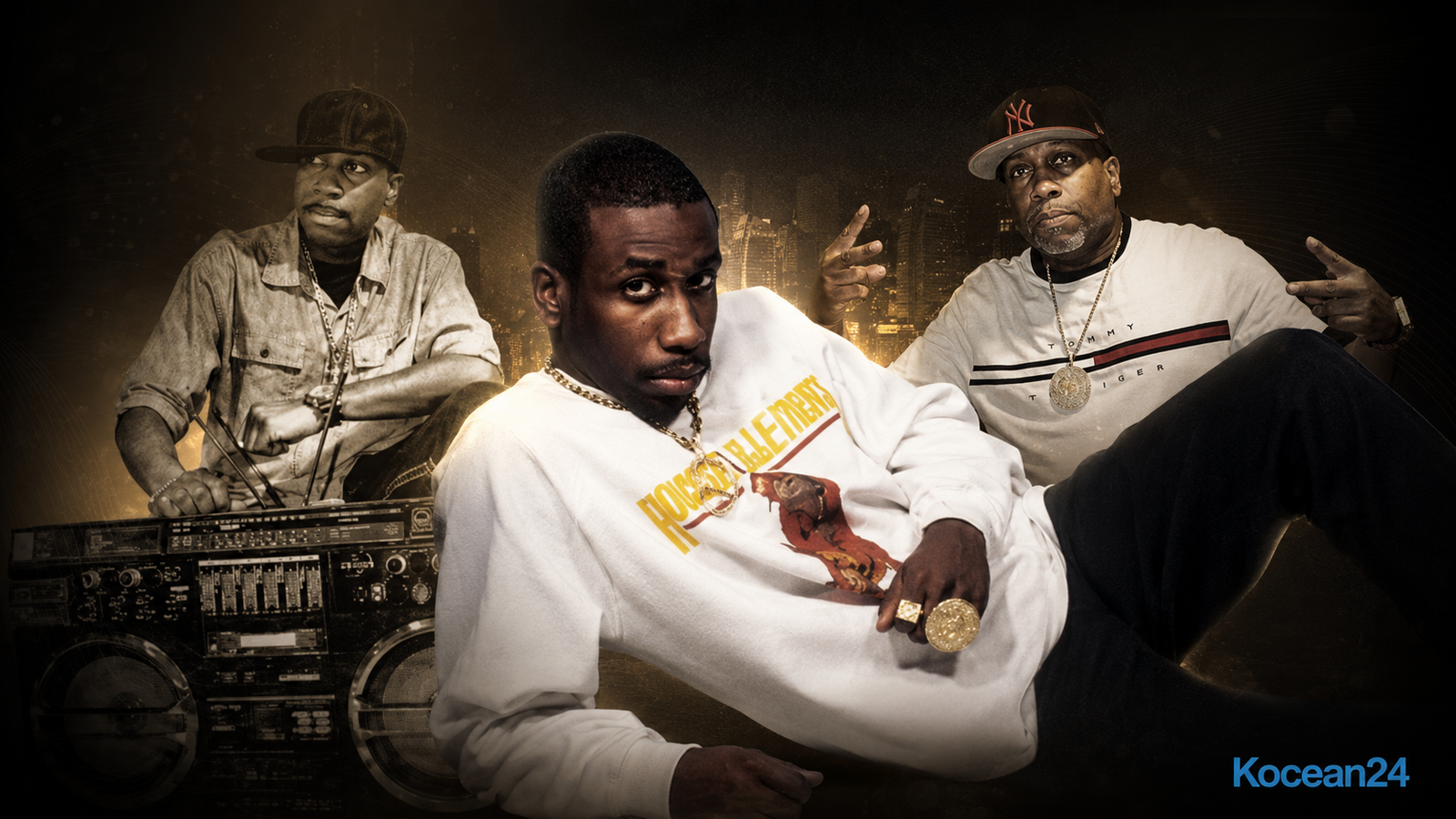
Rob Base’s death is more than a sad music update. It brings America back to one of hip hop’s most important turning points. It also reminds today’s audience how one energetic record can travel across decades. Rob Base built his legacy through rhythm, crowd energy and a sound people could instantly feel. That is why his passing matters now. It opens a bigger conversation about hip hop culture in America, the artists who shaped it and the way legacy survives in the present time.
Rob Base’s real name was Robert Ginyard. He was best known as one half of the Harlem hip hop duo Rob Base and DJ E Z Rock. People reported that Rob Base died on May 22, 2026 after a private battle with cancer, just days after his 59th birthday on May 18. (People, Angel Saunders, May 22, 2026, Rob Base of Rob Base & DJ E Z Rock Dies of Cancer at 59) (https://people.com/rob-base-dead-age-59-cancer-11982841)
That detail gives Rob Base’s death a heavy emotional weight. He had just reached another birthday. Then fans learned that a voice tied to one of rap’s biggest party records was gone. For many listeners, the news felt like a piece of their own youth had been touched.
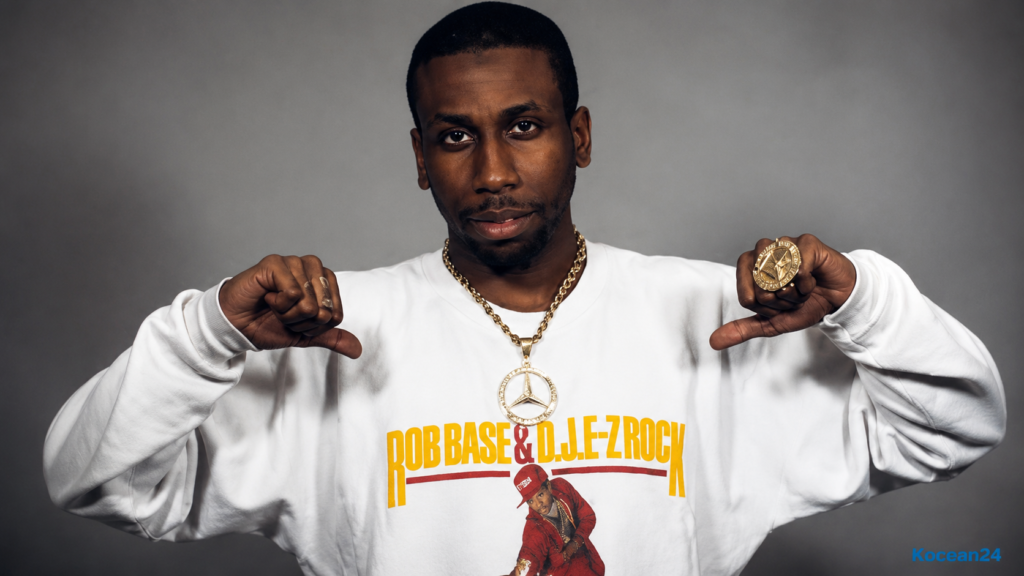
Rob Base belonged to a generation that helped move rap from local excitement into mainstream America. His work came during a period when hip hop was still fighting for wider acceptance. Radio programmers, labels and television platforms were still learning how big rap could become. Artists like Rob Base helped answer that question through music that moved people first.
The biggest reason Rob Base’s death becomes a cultural story is “It Takes Two.” The record is not just a late 1980s hit. It works as a celebration anthem across clubs, parties, sports events, movies and nostalgic playlists.
AP reports that “It Takes Two” enters the Billboard Hot 100, reaches No. 3 on Billboard’s Hot Dance and Club Songs chart and earns platinum certification from the Recording Industry Association of America. (Associated Press, May 22, 2026, ‘It Takes Two’ rapper Rob Base, who helped bring hip hop mainstream, dies at 59) (https://apnews.com/article/rob-base-death-dj-ez-rock-5048b6d56838fac387c4d1e9cf33bfb1)
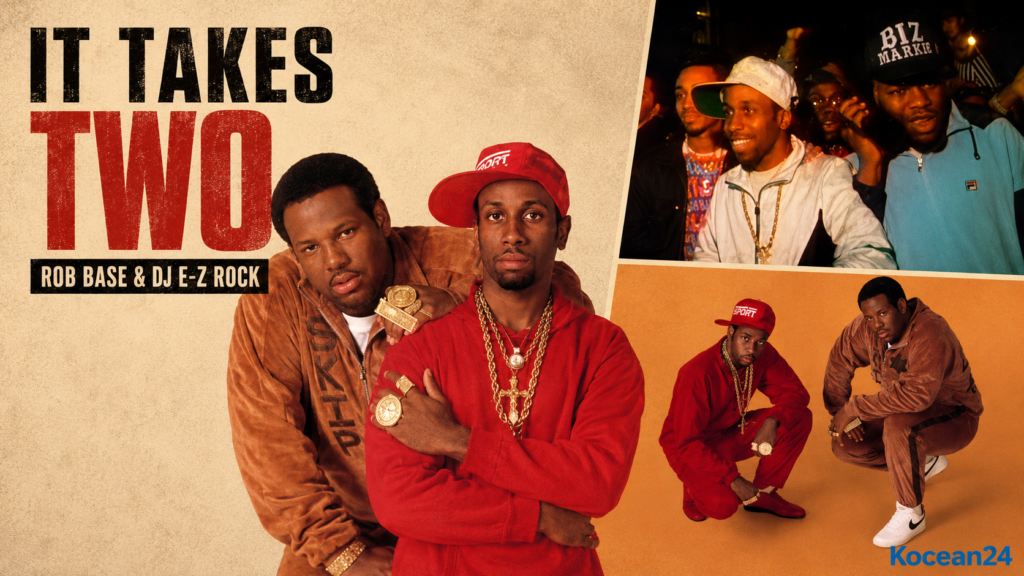
The song connects hip hop with dance floor energy. It does not ask listeners to think too much. Rather, it asks them to move. That simple force makes the record powerful across generations.
The song also proves that hip hop culture carries joy. Rap can speak about pain, but it also creates release. Rob Base turns that release into a sound people still recognize within seconds.
Hip hop culture in America did not begin inside boardrooms. It grew from neighborhoods, parties, sound systems and young people searching for expression. The early culture carried dancing, DJing, MCing, graffiti and style. It was a full creative language.
The Recording Academy explained that hip hop grew from New York roots into a worldwide phenomenon and highlighted August 11, 1973 as a key symbolic date in the culture’s early story. (GRAMMY.com, Mosi Reeves, August 11, 2023, A Brief History Of Hip Hop At 50: Rap’s Evolution From A Bronx Party To The GRAMMY Stage) (https://www.grammy.com/news/hip-hop-history-timeline-50th-anniversary-photos-videos-playlist)
That history matters when reading Rob Base’s death in the present time. Rob Base came after the earliest foundation, but he arrived before rap had fully taken over mainstream entertainment. He stood in a bridge generation. That generation had to make hip hop loud enough for the streets and clean enough for mass radio at the same time.
His music holds that balance with ease. It carries rap’s confidence and dance culture’s heartbeat. Nothing feels staged. Everything sounds made for real people in real rooms.
Party rap carries a serious cultural role in hip hop. It brings the music into daily American life. A record like “It Takes Two” travels beyond radio play and becomes part of social memory. Clubs, school dances, sports arenas and family celebrations keep such songs alive for generations.
Rob Base understands that power through “It Takes Two.” The track works because it uses rhythm as social glue. Its famous hook comes from Lyn Collins’ 1972 funk record “Think About It,” a source NPR identifies as one of hip hop’s most recognizable vocal breaks. (NPR, Andrew Limbong, September 18, 2018, The Voice Behind One Of Hip Hop’s Most Famous Hooks) (https://www.npr.org/2018/09/18/648850102/the-voice-behind-one-of-hip-hops-most-famous-hooks)
That sample gives the song instant movement. Rob Base adds crowd energy on top of it. The result is not just a party track. It is a record that shows how hip hop turns sound into shared memory.
Rob Base’s death reminds listeners that joy also builds history. A song can matter because people return to it during celebration. That is why “It Takes Two” still feels alive.
Modern music culture moves with extreme speed. A song can rise through a clip, dominate attention for a short moment and lose public heat almost overnight. That pace creates visibility, but visibility is not the same as memory. Rob Base’s death reminds the present time that cultural legacy depends on deeper connection.
A record lasts when people attach real moments to it. “It Takes Two” survives because it does not live only in charts or nostalgia. It lives in parties, dance floors, sports arenas and family celebrations. That kind of memory grows through repeated public use. It becomes part of how people remember joy, rhythm and American hip hop culture.

The lesson becomes clear through Rob Base’s legacy:
a. Legacy Needs More Than Reach
A trending sound can reach millions quickly, but reach alone does not create cultural weight. Rob Base built “It Takes Two” before streaming platforms, social feeds and short video algorithms. The song still traveled because people carried it into real spaces. That slower journey gave the record stronger emotional value.
b. Memory Comes from Real Use
A lasting song earns space inside people’s lives. “It Takes Two” brings instant lift when a room needs energy. The beat creates recognition before the listener even thinks about the title. That is why the record keeps moving through new crowds, new celebrations and new generations.
c. Viral Moments are Temporary
Modern attention often rewards speed over substance. A hook can explode online without building lasting identity. Rob Base’s work shows a different model. A song becomes legacy when the public keeps choosing it long after the first wave of attention ends.
d. Creators Can Learn from That Standard
Modern artists do not need to reject digital platforms. They need to build beyond them. A strong record should not only fit a clip. It should carry a feeling, a scene and a reason to return. Rob Base gave hip hop that kind of record through direct energy and crowd connection.
e. Rob Base’s Death Opens a Bigger Reminder
Rob Base’s Death is not only a moment of loss. It is a reminder that hip hop history needs active memory. The present time should honor pioneers by understanding their role, not just posting their names after death. Rob Base helped prove that a party record can become cultural history. That is why his legacy still moves.
Rob Base’s Death story also fits Kocean24 because it is not only about celebrity death. It is about culture, public memory and the business of attention. Kocean24 has already treated rap culture as a deeper social subject, especially in its discussion of fame, legal pressure and public image inside modern rap. (Kocean24, Ava Grace, May 7, 2026, Kodak Black’s Arrest and the Dangerous Dark Side of Rap Culture) (https://kocean24.com/kodak-black-arrest-dark-side-of-rap-culture/)
That same deeper lens is needed here. Rob Base’s death should not be handled as a short RIP update only. It should be read as a cultural reminder. Hip hop has pioneers, bridges and builders. Rob Base was one of the artists who made the culture easier for mainstream America to enter.
His legacy also shows the cleaner side of influence. Not every important rap story is built on scandal. Some are built on sound, movement and shared memory. That is the stronger angle for this article.
Rob Base’s legacy feels clear, but never small. He helped make hip hop sound welcoming without making it soft. His music brought rap into party spaces while keeping the culture’s attitude intact. He proved that an MC could carry confidence, humor and commercial power in one unforgettable voice.
Rob Base’s death also brings DJ E Z Rock back into public memory. Their partnership mattered. Hip hop has always been about chemistry. The rapper, the DJ, the sample, the crowd and the room all shape the final impact. “It Takes Two” captured that formula perfectly.
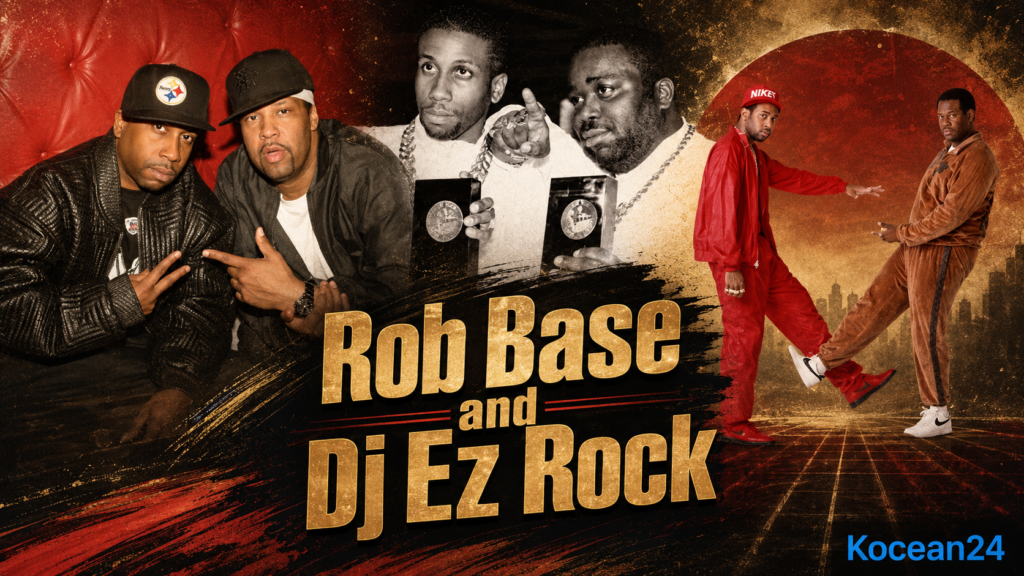
The title now carries a deeper meaning. Two artists create the record, but a whole culture gives it permanence. The beat connects because hip hop already holds movement at its core. Rob Base turns that movement into a voice crowds can repeat with pride.
America often celebrates hip hop after the hard work is already done. The culture now appears in Super Bowl shows, luxury campaigns, fashion houses and university archives. Yet many pioneers came from years when rap still had to prove itself.
That is why Rob Base’s death matters. His story points back to a turning point in American hip hop. Rap moves from clubs into charts. Neighborhood sound becomes national memory. Youth culture grows into American culture.
Rob Base helped push that crossing. His music did not sound like a lecture. It sounded like a door opening. Once people stepped through, they could find the deeper layers of hip hop behind it.
Rob Base’s death is a painful moment for hip hop fans, but it also gives America a reason to remember what the culture built. Rob Base helped prove that rap could move bodies, fill rooms and stay alive across generations. His story is about how hip hop turned local energy into national memory. The present time moves fast, but real legacy moves differently. Rob Base gave the culture a rhythm that still refuses to disappear.