Physical Address
304 North Cardinal St.
Dorchester Center, MA 02124
Physical Address
304 North Cardinal St.
Dorchester Center, MA 02124
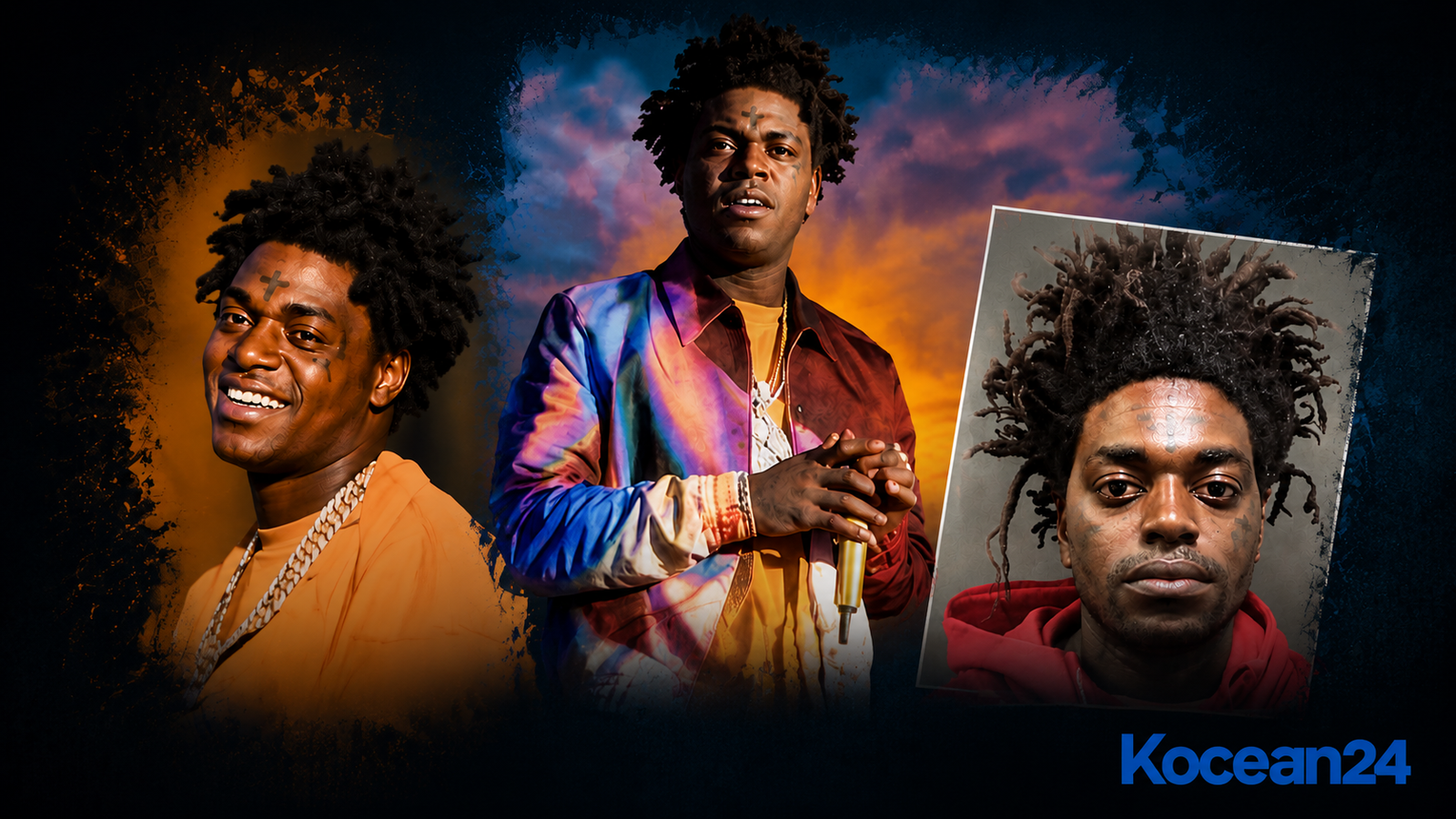
Kodak Black is back in the headlines, but this story is bigger than a rapper, one jail record or viral mugshot. It opens a sharper conversation about fame, legal pressure and the dangerous image loop around modern rap culture. When an artist becomes both a hitmaker and a repeated legal headline, the public does not just consume music anymore. They consume crisis as entertainment.
Kodak Black was booked into Orange County Jail in Florida on an MDMA trafficking charge tied to alleged possession of between 10 and 200 grams of the drug, according to jail and court records reported by WSVN. Authorities identified him under his legal name, Bill Kapri. Under Florida law, trafficking charges involving that quantity can carry severe felony penalties if prosecutors secure a conviction. (WSVN, Allyson Castillo, May 7, 2026, Kodak Black booked into Orange County jail on MDMA trafficking charge) (https://wsvn.com/entertainment/kodak-black-booked-into-orange-county-jail-on-mdma-trafficking-charge/)
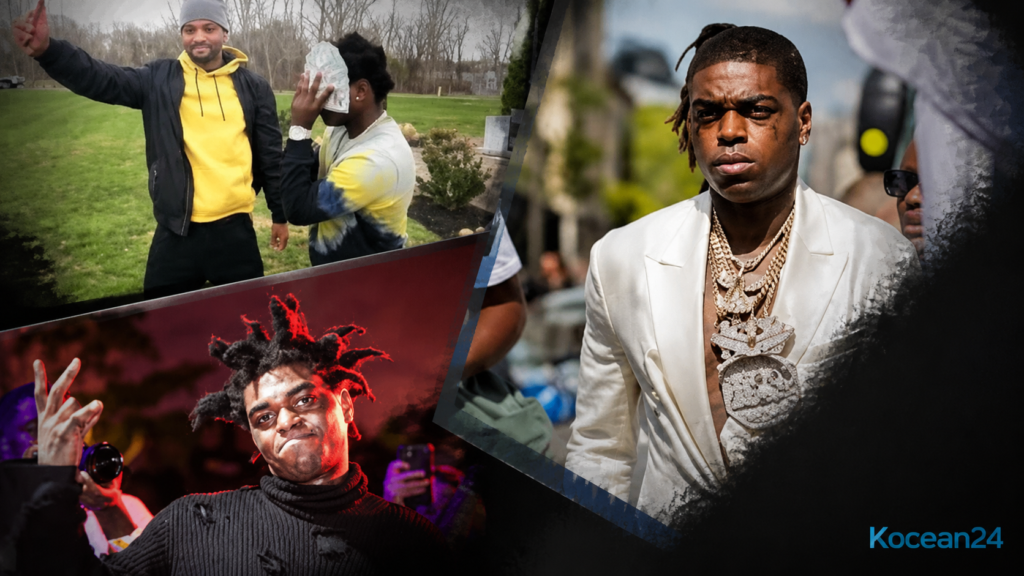
The case immediately spread across social media and entertainment platforms within hours of his booking. That rapid exposure reflects how celebrity legal cases now move through digital culture before courts examine evidence, witness testimony or defense arguments in detail.
Kodak Black has never been viewed as just another rapper. His music came out of poverty, violence and instability in South Florida, which helped him build a strong connection with listeners who relate to survival driven storytelling. That connection is part of why every legal case involving him receives national attention far beyond normal celebrity coverage.
The current MDMA trafficking allegation also arrives after years of highly publicized legal battles involving weapons, drugs and probation violations. The Guardian reported that investigators connected the latest case to a 2025 Orlando incident near a children’s educational center where gunshots were reported. Authorities later claimed officers found MDMA, cash and personal items allegedly tied to Bill Kapri, while his attorney argued the legal basis of the charge was weak and disputed possession claims. (The Guardian, May 7, 2026, Rapper Kodak Black due in court in Florida on felony drug charge) (https://www.theguardian.com/us-news/2026/may/07/rapper-kodak-black-court-florida)
This pattern matters because repeated legal headlines shape public identity over time. Many fans see Kodak Black as a product of difficult social conditions, while critics see recurring legal trouble damaging both his image and rap culture itself. The discussion becomes larger than one arrest because it raises deeper questions about celebrity accountability, policing, addiction, street credibility and the business value of controversy inside modern hip hop.
Kodak Black is not the only artist trapped between commercial success and public controversy. Hip hop has long reflected real conditions inside poor neighborhoods, including violence, policing, addiction and social neglect. Those stories became powerful because they exposed realities many Americans ignored.
The problem started when parts of the entertainment industry began turning trauma into marketable identity. In the modern attention economy, controversy can generate streams, headlines and online engagement faster than artistic growth or personal stability. A criminal investigation can dominate social feeds within minutes. Mugshots become memes. Court appearances become trend cycles. This environment creates pressure where dangerous public image sometimes carries more visibility than discipline, recovery or long term career building.
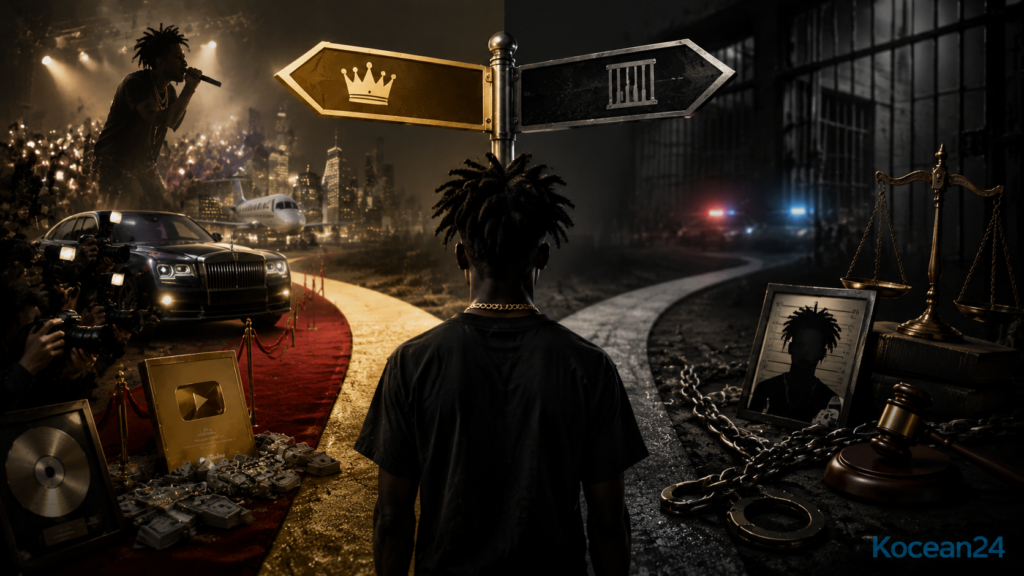
That cycle usually follows a familiar pattern:
The result is a culture where instability can become commercially valuable, even when it damages artists, communities and the public perception of rap itself.
BET reported that the charge was linked to a November 2025 Orlando police investigation and involved alleged trafficking in MDMA between 14 and 200 grams under Florida law. That detail matters because trafficking language usually depends on drug weight, not only an alleged sale. (BET, May 7, 2026, Kodak Black Arrested in Florida on Felony MDMA Drug Trafficking Charge) (https://www.bet.com/article/durara/kodak-black-arrested-in-florida-on-felony-mdma-drug-trafficking-charge)
Kodak Black is accused, not convicted. The prosecution must still prove the legal elements of the charge, including possession, quantity and connection to the alleged narcotics. Public debate should follow confirmed records, court filings and attorney statements instead of viral posts or fan assumptions.
Kocean24 has already explored how fame can shape fear, pressure and self perception in high visibility industries. Its analysis on Margaret Qualley noted that sudden attention can bring exposure, judgment and the feeling of being watched. (Kocean24, Fred Laxy, February 13, 2026, Margaret Qualley: 6 Hidden Reasons for Her Early Anxiety) (https://kocean24.com/margaret-qualley-6-hidden-reasons-early-anxiety/)

That idea applies beyond Hollywood acting. It also fits music. Kodak Black lives inside a culture where every mistake becomes content. Fame can make support louder, but it can also make consequences heavier.
The deeper issue is not only fame itself. It is fame without enough structure around it.
Labels, promoters and platforms benefit from controversial visibility. A troubled artist can still sell shows, generate clicks and dominate conversations. That creates a quiet business problem. The system profits from instability while pretending to be shocked when crisis returns.
Kodak Black represents a bigger question for the music business. Is the industry helping artists build long careers, or is it only extracting attention while the spotlight burns them down?
A healthier rap ecosystem would reward discipline as much as drama. It would make rehabilitation, legal guidance and mental support part of career protection. That may sound less viral, but it is more human.
The arrest story is not only about one Florida case. It reflects how modern American celebrity culture reacts to controversy in real time. A booking photo appears online, clips spread across social media and public opinion forms before court proceedings fully begin. In high visibility industries like rap, legal allegations often become entertainment content within hours, which increases pressure on both the accused person and the public conversation around the case.
That larger culture cycle usually works through three stages:
Instant Viral Exposure
Celebrity arrests now move through TikTok, X, Instagram and YouTube faster than traditional reporting. Headlines, mugshots and rumors spread before verified court details become widely available. This creates emotional reactions before legal analysis.
Public Judgment Before Trial
Online audiences often split into two extreme groups. One side treats the accused artist as automatically guilty. The other dismisses every allegation as fake targeting. Both reactions weaken serious discussion because neither side waits for evidence, court filings or testimony.
Commercial Attention Around Controversy
Controversial headlines can increase visibility, engagement and streaming numbers. That creates a system where public scandal becomes financially valuable content for platforms, blogs and entertainment media even while the legal process is still unfolding.
Kodak Black remains a major voice in rap, but this latest arrest shows the darker side of fame, pressure and public fascination. The charge must be treated seriously, and the legal process must be respected. At the same time, rap culture needs a better conversation about crisis, accountability and the business of attention. Music can tell hard truths, but it should not make destruction look like destiny.







[…] Rob Base’s Death story also fits Kocean24 because it is not only about celebrity death. It is about culture, public memory and the business of attention. Kocean24 has already treated rap culture as a deeper social subject, especially in its discussion of fame, legal pressure and public image inside modern rap. (Kocean24, Ava Grace, May 7, 2026, Kodak Black’s Arrest and the Dangerous Dark Side of Rap Culture) (https://kocean24.com/kodak-black-arrest-dark-side-of-rap-culture/) […]