Physical Address
304 North Cardinal St.
Dorchester Center, MA 02124
Physical Address
304 North Cardinal St.
Dorchester Center, MA 02124
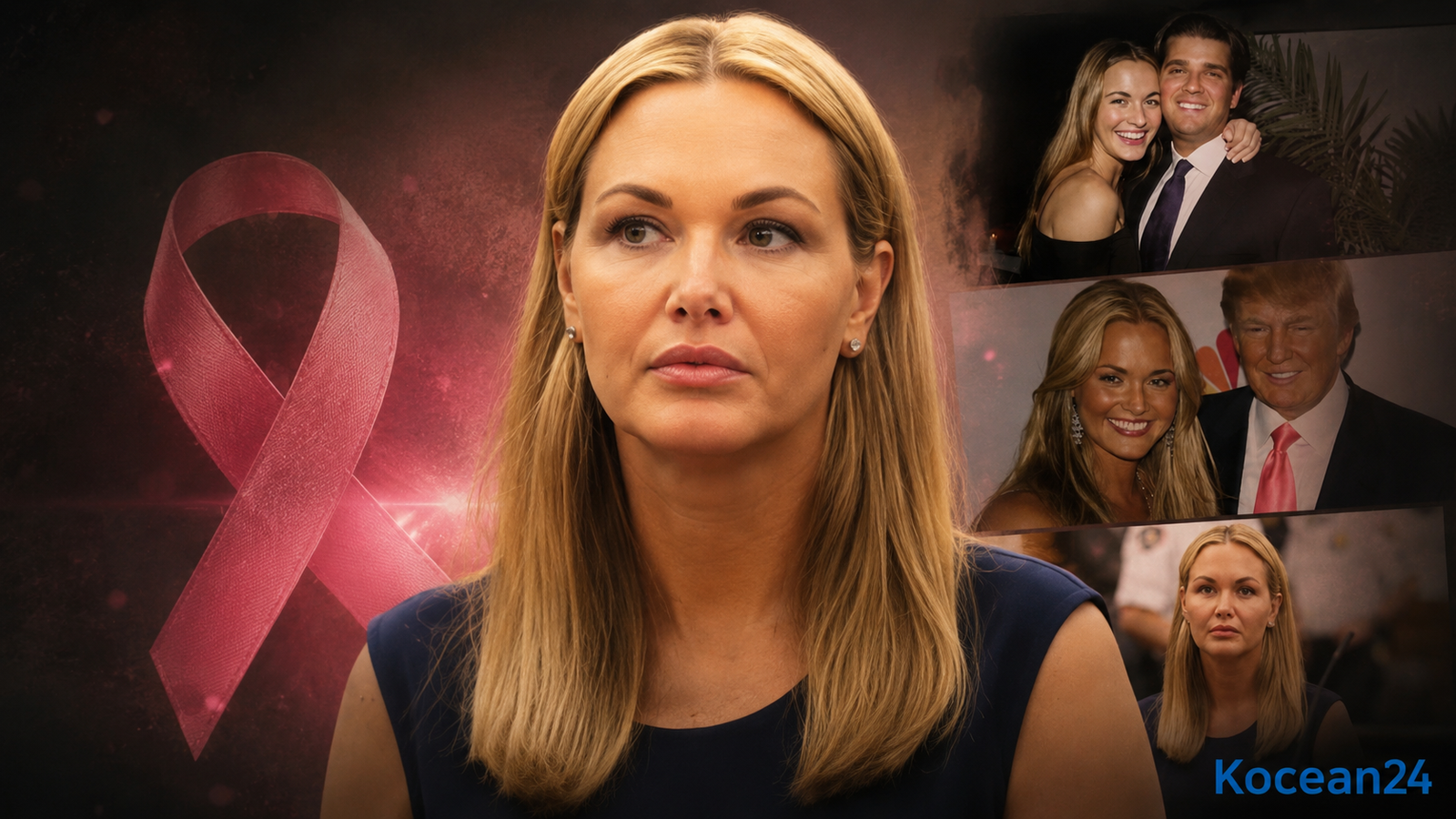
“Cancer” is one word that instantly changes the emotional temperature of a family. It brings fear, uncertainty, and painful reflection within seconds. Vanessa Trump Breast Cancer news carried that same emotional weight across social media because people did not only see a public figure sharing a diagnosis. They saw a reminder of mothers, daughters, sisters, and friends who quietly fight the same battle every day. The announcement pushed breast cancer awareness back into public conversation and reminded many women that early detection, screening, and honest health discussions still matter deeply in modern life.
Vanessa Trump Breast Cancer coverage began after she shared the diagnosis on Instagram. Parade reported that she announced the news on May 20, 2026, after undergoing a medical procedure earlier in the week. She also thanked her doctors, family, children, and supporters while asking for privacy during recovery. (Parade, Sophie Weller, May 20, 2026, Vanessa Trump Shares Heartbreaking Cancer Diagnosis) (https://parade.com/news/vanessa-trump-shares-heartbreaking-cancer-diagnosis)
The impact came from the timing and tone. This was not a polished awareness campaign. It was a personal health update from a mother of five, made while treatment planning was still active. That made the story feel immediate. It moved breast cancer from a distant medical topic into a real family conversation. For many readers, the message is very clear. Do not wait for a crisis before taking health seriously.

Vanessa Trump Breast Cancer has become a national conversation because celebrity health disclosures cut through public numbness in a way ordinary medical warnings often cannot. Millions of people scroll past health statistics every day without reacting. The response changes when the diagnosis belongs to someone recognizable. Familiar faces make risk feel immediate, emotional, and personal.
This is the real psychology behind public awareness. A celebrity announcement can transform breast cancer from an abstract medical issue into something families suddenly discuss at dinner tables, in group chats, and during doctor appointments. People begin searching symptoms, reading about mammograms, checking family history, and questioning delays they once ignored.
The emotional connection also matters. Vanessa Trump was not speaking as a campaign ambassador or medical spokesperson. She spoke as a mother facing a life changing diagnosis while raising five children. That human context gave the story greater cultural force. It shifted the conversation from politics and celebrity into vulnerability, prevention, and survival.
Public health experts have seen this pattern before. High profile cancer revelations often create measurable spikes in online searches, screening interest, and awareness engagement because fear becomes emotionally relatable when attached to a real person. Kocean24 has explored similar awareness patterns in public cancer stories, where a celebrity diagnosis can push silent health concerns into mainstream discussion. (Kocean24, James Van Der Beek: 5 Powerful Legacy Moments) (https://kocean24.com/james-van-der-beek-5-legacy-moments/)
The deeper value is not attention itself. Attention fades quickly. The real value appears when visibility changes behavior. A celebrity story becomes meaningful when it pushes someone to schedule a screening, speak openly about symptoms, or stop postponing their own health.
Vanessa Trump Breast Cancer coverage matters because breast cancer continues to affect millions of women across generations, income levels, and social backgrounds. The disease remains one of the most commonly diagnosed cancers among women in the United States. The American Cancer Society reports that about 1 in 8 women in the country will develop invasive breast cancer during their lifetime. (American Cancer Society, July 11, 2024, Breast Cancer Facts & Figures 2024 2025) (https://www.cancer.org/content/dam/cancer-org/research/cancer-facts-and-statistics/breast-cancer-facts-and-figures/2024/breast-cancer-facts-and-figures-2024.pdf)
This statistic explains why stories like this instantly connect with the public. Almost every family knows someone facing breast cancer directly or indirectly. It is a mother, sister, daughter, friend, coworker, or spouse. The emotional familiarity makes every public diagnosis feel close to home.
Awareness campaigns help normalize conversations around women’s health, but awareness alone does not reduce risk. Many women still delay mammograms because of fear, financial pressure, lack of time, or the belief that symptoms can wait. Others avoid screenings because they feel healthy and assume the danger is distant.
That is why public conversations matter when they lead to action. A pink ribbon carries symbolic value. A viral story carries emotional value. Yet the strongest impact happens when someone books a screening earlier, notices a warning sign sooner, or begins discussing family medical history more openly.

Early detection continues to play a major role in improving treatment outcomes. Public health experts repeatedly stress that routine screenings can identify breast cancer before symptoms become severe. In that sense, the growing attention around Vanessa Trump Breast Cancer becomes larger than one celebrity headline. It becomes another reminder that preventive healthcare cannot remain postponed or ignored.
Vanessa Trump Breast Cancer coverage carries emotional power, but the larger public value comes from what people do after reading it. Sympathy alone does not reduce risk. Preventive action does. Health experts continue stressing that regular breast cancer screening remains one of the strongest tools for early detection, especially for women entering higher risk age groups. The U.S. Preventive Services Task Force recommends mammograms every two years for women between ages 40 and 74. (U.S. Preventive Services Task Force, April 30, 2024, Recommendation: Breast Cancer: Screening) (https://www.uspreventiveservicestaskforce.org/uspstf/recommendation/breast-cancer-screening)
That recommendation matters because awareness fades quickly when it stays emotional instead of practical. Many people react strongly to a celebrity diagnosis for one day, then return to routines without changing anything about their own healthcare decisions. Screening changes the equation by turning temporary concern into long term protection.
The deeper reality becomes clearer through several important factors:
Women with close relatives who faced breast cancer often carry higher risk and may need earlier or more frequent screening conversations with healthcare professionals. Ignoring family medical history can delay important preventive steps.
Changes in breast appearance, unexplained pain, unusual swelling, skin texture changes, or lumps should not be dismissed casually. Early evaluation can make a major difference in treatment options and outcomes.
Many women postpone mammograms because of anxiety, financial pressure, scheduling problems, or fear of receiving difficult news. Yet delayed screening can allow cancer to progress silently before detection.
Public stories like Vanessa Trump Breast Cancer become meaningful when they encourage real decisions. Booking a screening, speaking openly with a clinician, or taking symptoms seriously creates more impact than simply sharing headlines online.
Vanessa Trump Breast Cancer is also a story about emotional pressure. Illness does not only affect the body. It affects privacy, family life, identity, and routine.
Public figures face an extra layer. They must process fear while headlines analyze every word. That creates a difficult balance between openness and personal space.

This is why respectful coverage matters. A diagnosis should never become gossip. It should become a bridge toward empathy and useful information.
Health awareness is strongest when it protects dignity. It should make people more informed without making the patient feel reduced to a headline.
Vanessa Trump Breast Cancer arrived in a media environment where health stories compete with entertainment, politics, and viral outrage. Still, this issue cut through because cancer touches nearly every community.
Regenerated awareness means a familiar health topic suddenly feels urgent again. It happens when a public event reactivates public memory. People remember relatives, missed appointments, old fears, and future responsibilities.
That renewed attention creates ripple effects far beyond one headline. It pushes some women to finally schedule overdue screenings after months or years of delay and encourages younger audiences to stop treating breast cancer as an issue only connected to old age. It also opens more honest conversations inside families where medical history, symptoms, and emotional fears are often avoided until a crisis appears.
For many readers, stories like Vanessa Trump Breast Cancer become a reminder that prevention, awareness, and early action still carry life changing importance.
Vanessa Trump Breast Cancer is more than a celebrity health headline. It is a reminder that awareness becomes powerful only when it changes behavior. Public sympathy is human, but action is stronger. Early detection, honest conversation, and timely medical care can turn fear into protection. That is the real return of health awareness.