Physical Address
304 North Cardinal St.
Dorchester Center, MA 02124
Physical Address
304 North Cardinal St.
Dorchester Center, MA 02124
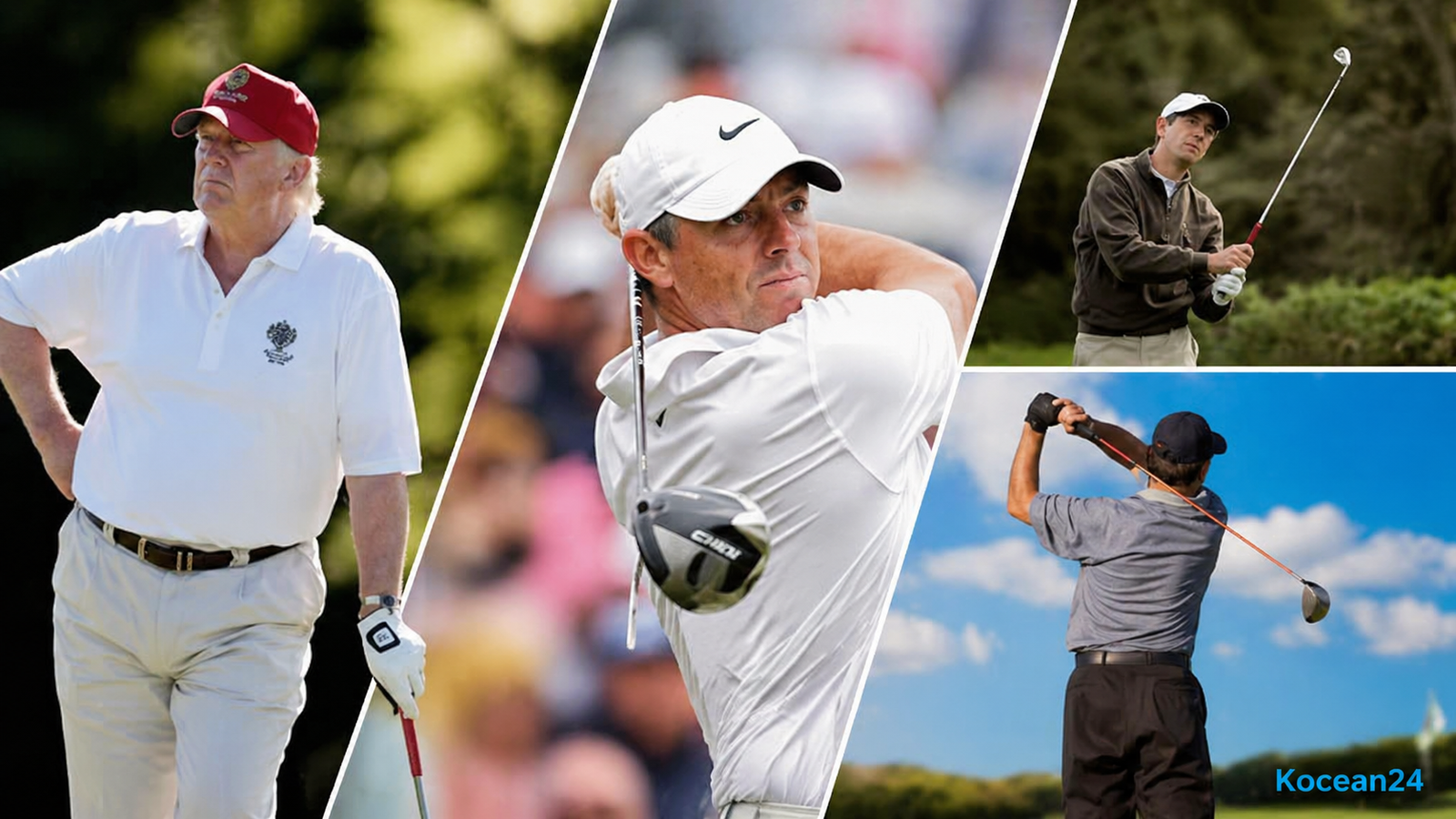
CEOs Play Golf because the game blends patience, pressure, networking, judgment and self control in one quiet setting. It looks like a luxury sport from the outside. But inside business culture, golf often works like a social test. A leader walks for hours with clients, rivals or partners. Every shot reveals temperament, any of the mistakes ask for honesty and silence creates room for strategy. That is why this subject matters beyond sport. It tells us how power behaves when there is no boardroom table in front of it.
Dhurandhar movie famous Indian Intelligence Chief R Madhavan recently connected golf with discipline and inner control while discussing why powerful people are drawn to the game. He said golf is “the only game in the world where you are competing with yourself, not anybody else.” (The Times of India, TOI Entertainment Desk, April 29, 2026, ‘Dhurandhar’ star R Madhavan on why CEOs play golf: ‘The only game in the world where you are competing with yourself’) (https://timesofindia.indiatimes.com/entertainment/hindi/bollywood/news/dhurandhar-star-r-madhavan-on-why-ceos-play-golf-the-only-game-in-the-world-where-you-are-competing-with-yourself/articleshow/130609004.cms)
That line explains the CEO connection clearly. Leadership also begins with self control. A CEO cannot blame the market for every weak decision. A golfer cannot blame the course for every poor swing.
Golf exposes reaction under pressure. Some people stay calm after a bad shot. But not everyone can be successful here. There are many who lose focus quickly. Business power often works the same way.
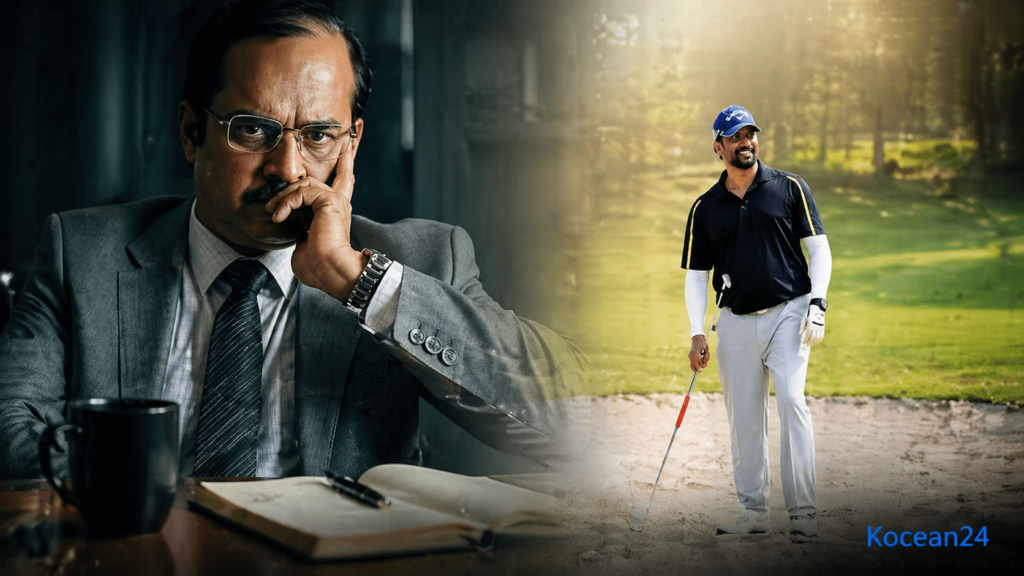
CEOs Play Golf because patience is built into the game. There is no instant result. A player must wait, observe and choose the next move carefully to complete a round of this game.
The Economic Times reported Madhavan’s golf reflection with the headline “No noise, no rush. Just focus,” and framed the sport as a test of patience, concentration and strategic thinking for billionaires and top CEOs. (The Economic Times, Trisha Dey, April 29, 2026, ‘No noise, no rush. Just focus’: Actor Madhavan shares why billionaires, top CEOs play golf to test themselves) (https://economictimes.indiatimes.com/magazines/panache/no-noise-no-rush-just-focus-actor-madhavan-shares-why-billionaires-top-ceos-play-golf-to-test-themselves/articleshow/130600738.cms)
This is why the fairway fits executive psychology. CEOs operate in long cycles. Product growth and Market trust take time. Brand reputation is more tough to attain and it requires a lot of time and effort.
Golf trains the same mindset. A reckless swing can damage the whole round. And if you think in the perspective of a CEO, one single reckless decision can damage a whole company.
Golf creates real business time because it removes the rigid structure of formal meetings and replaces it with extended, natural interaction. A golf course allows leaders to walk, observe, pause and talk without interruption, which often leads to more honest and strategic conversations. PGA of America noted that golf is popular in business communities and said many CEOs, executives and senior leaders play the game (PGA of America, Kris Hart, June 11, 2023, Why Golf is a Top Networking Tool) (https://www.pga.com/story/why-golf-is-a-top-networking-tool).
This environment builds familiarity over hours rather than minutes, which strengthens trust in ways emails or short meetings cannot achieve. This shift in environment creates a different kind of communication dynamic:
• conversations feel less transactional and more human
• decisions are explored gradually instead of being rushed
• trust develops through shared time and behavior
• hierarchy softens, allowing more open dialogue
In the end, golf does not guarantee business outcomes, but it consistently creates access, and in leadership culture, access often becomes the starting point of influence and long term power.
Golf reveals character through a quiet honesty test. The ball lands where it lands and the scorecard reflects reality. The player must decide whether to accept the outcome or distort it. This is why leaders respect the symbolism. A person who bends rules in a small game may struggle to earn trust in larger decisions. But someone who stays calm after failure often signals reliability under pressure.
CEOs Play Golf because the game exposes emotional habits in real time. It shows who complains, or adapts and respects structure without constant supervision. It should not term it as theory. It is repeated social observation. Golf creates a slow environment where behavior cannot be hidden, and for powerful people, that visibility makes character easier to judge.

Golf connects strategy with risk because every shot demands a decision between control and ambition. A player must read distance, wind, terrain and personal confidence before acting. The same logic applies in leadership where timing and judgment define outcomes. Harvard Business School Online described golf as a source of business lessons and linked it with networking, patience and decision making (Harvard Business School Online, February 22, 2018, 4 Business Lessons to Learn From Golf) (https://online.hbs.edu/blog/post/4-business-lessons-to-learn-from-golf).
CEOs Play Golf not just for relaxation but to engage with this constant balance between calculated risk and disciplined execution. The game quietly mirrors how strategic power operates in real situations. This balance becomes clearer when breaking down how decisions are made:
Risk Assessment
A golfer evaluates conditions before every swing. Leaders do the same before entering markets or making investments. CEOs Play Golf because it reinforces the habit of measuring risk before acting.
Timing Control
In golf, rushing a shot often leads to mistakes. In business, premature decisions can cost long term stability. Waiting for the right moment is often more powerful than acting quickly.
Emotional Discipline
A bad shot tests composure. A poor business outcome tests leadership stability. Staying calm keeps the next move rational instead of reactive.
Strategic Patience
Not every opportunity should be attacked aggressively. Sometimes the safer path builds a stronger position over time, both on the course and in executive strategy.
The strongest decisions in both golf and leadership are rarely the loudest. They are measured, controlled and often appear simple until their long term impact becomes clear.
How wrong it is to think that golf is always productive. Sometimes the same game can become a symbol of privilege, distance and weak accountability.
Harvard Business Review discussed research by Lee Biggerstaff, David C. Cicero and Andy Puckett and reported concerns about CEOs golfing too much when firms underperform. (Harvard Business Review, Lee Biggerstaff, David C. Cicero and Andy Puckett, November 30, 2016, Is Your Firm Underperforming? Your CEO Might Be Golfing Too Much) (https://hbr.org/2016/11/is-your-firm-underperforming-your-ceo-might-be-golfing-too-much)
Golf can sharpen leadership when it supports focus and relationships. On the other hand, it can damage perception when it looks like escape.
Power always has two faces. One face uses free time to think better. The other uses status to avoid pressure.

The deepest reason CEOs play golf is not fashion. It is reflection. The game removes noise and forces attention back to the player.
A CEO can hide behind a company logo. A golfer cannot hide from the next shot. The swing and result both belongs to the person.
This is why the sport has survived inside elite business culture. It mixes competition with silence, networking with discipline and leisure with status.
Kocean24 often studies how power behaves across politics, culture and public life. Its global politics coverage also shows how leadership decisions shape wider systems beyond the surface event. (Kocean24, February 13, 2026, Bangladesh Election 2026: 5 Powerful Signals for South Asia) (https://kocean24.com/bangladesh-election-2026/)
Golf gives a smaller version of the same truth. Power is not only seen in speeches. It is seen in habits.
CEOs Play Golf because the game gives them more than recreation. It offers access, patience, pressure, trust and self measurement in one place. R Madhavan’s point works because it cuts through the glamour. Golf is not only about beating another player. It is about facing your own judgment. For leaders, that may be the hardest competition of all.