
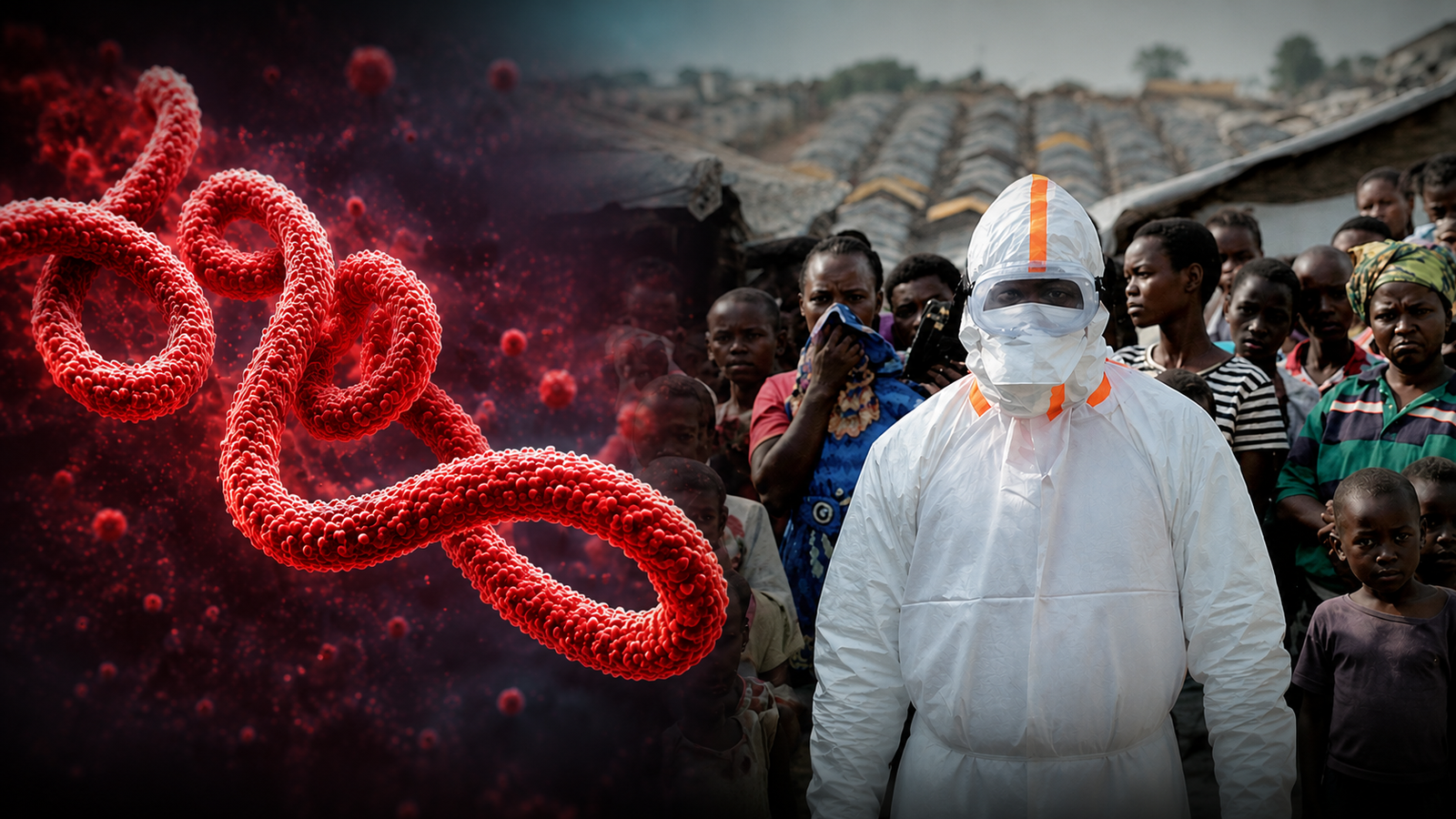
Ebola death toll figures are rising rapidly in the Democratic Republic of the Congo (DRC), but the crisis is not being driven by the virus alone. Fear, community resistance, delayed testing, attacks on health teams and limited medical resources are allowing infections to spread before patients receive care.
The outbreak has now moved beyond the “nears 1,000” threshold used in early reports. Updated figures released on July 22 show that confirmed deaths have passed 1,000. That change does not weaken the central issue behind the story. It makes the need for early diagnosis, trusted communication and safe access to treatment even more urgent.
Table of Contents
Ebola Death Toll Passes a Grim Threshold
The latest Ebola death toll reflects one of the fastest recorded escalations of the disease. Africa Centres for Disease Control and Prevention Director General Jean Kaseya said that 1,031 deaths had been confirmed, while the Democratic Republic of the Congo had recorded 2,473 cases. More than 60 percent of deaths were reportedly occurring within communities before patients could receive treatment. Only a small share of expected contacts of confirmed patients were being monitored, making it harder to identify new infections quickly. (Associated Press, Prosper Heri Ngorora and Chinedu Asadu, July 22, 2026, Congo’s Ebola Outbreak Has Killed Over 1,000 People) (https://apnews.com/article/congo-ebola-bundibugyo-ituri-154413267e8816b82c7561c352b90321)
These numbers show why every delay matters. When an infected person remains at home, travels between communities or visits several informal care providers, the number of possible contacts grows. Response teams must then trace more people across a wider area, often with incomplete information.
The Ebola death toll also represents people who may never have entered the official treatment system. A death outside a clinic can expose relatives, caregivers and anyone involved in preparing or transporting the body. That creates another transmission chain before authorities can investigate the original infection.
What Makes This Outbreak Different
A Rare Type of Ebola is Responsible
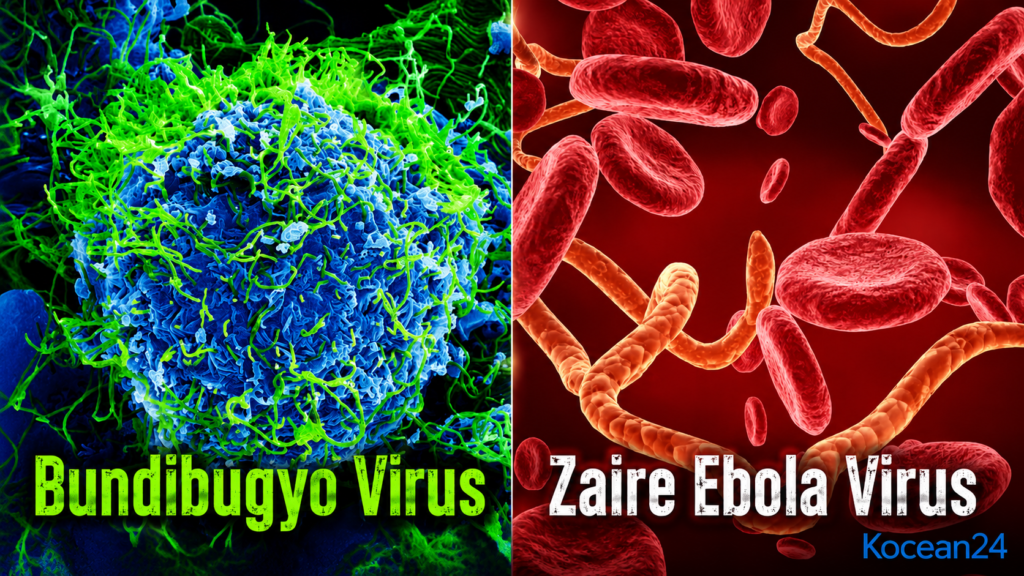
The outbreak is caused by Bundibugyo virus, one of several orthoebola viruses known to infect humans. It causes Bundibugyo virus disease and is biologically distinct from the Zaire ebola virus responsible for the largest previous epidemics. That distinction directly affects the medical response.
Approved vaccines and antibody treatments were developed specifically for disease caused by Zaire ebolavirus. The Ervebo vaccine and treatments such as Inmazeb and Ebanga are not approved for Bundibugyo virus disease, and available evidence is insufficient to confirm that they would provide reliable protection against it. WHO therefore advises against using the existing Zaire vaccine as a routine Bundibugyo outbreak measure outside controlled research.
No approved Bundibugyo specific vaccine or antiviral treatment is currently available. Patient care instead depends on early supportive treatment, including fluid replacement, management of fever, vomiting, diarrhoea and blood pressure, and treatment of secondary infections. Starting this care early can substantially improve a patient’s chance of survival.
Without a licensed vaccine or targeted medicine, outbreak control depends on rapidly identifying suspected cases, confirming infections through virus specific testing, isolating patients safely, monitoring contacts for 21 days, protecting healthcare workers and conducting safe, dignified burials. These measures are not secondary precautions. They are the main tools available to interrupt transmission while candidate vaccines and treatments remain under clinical evaluation.
The Outbreak is Spreading across Several Provinces
Before the Ebola death toll crossed 1,000, the World Health Organization reported 2,124 confirmed cases and 828 deaths in the Democratic Republic of the Congo as of July 15. Cases had appeared in 46 health zones across Ituri, North Kivu, South Kivu, Haut Uele and Tshopo. WHO also reported infections among health workers and warned that insecurity, displacement and restricted access were disrupting surveillance and response work. (World Health Organization, July 17, 2026, Ebola Disease Caused by Bundibugyo Virus, Democratic Republic of the Congo & Uganda) (https://www.who.int/emergencies/disease-outbreak-news/item/2026-DON613)
Ituri remains the centre of the crisis, but the spread across multiple health zones increases the burden on laboratories, ambulances, isolation centres and local health workers.
Why Fear Keeps Some Patients Away
People May Associate Clinics with Death
When critically ill patients enter treatment centres and some die, families may wrongly see the clinic as the danger, causing fear, delayed care and hidden infections.
That fear can quickly weaken outbreak control:
Fear of Isolation
Patients may avoid testing because they expect separation from relatives, limited contact and uncertainty about whether they will return home.
Late Arrival
People often reach treatment centres only after symptoms become severe, reducing the benefit of early supportive care and reinforcing the belief that clinics cannot save patients.
Hidden Cases
Some families may keep sick relatives at home or seek help from unprotected informal caregivers, increasing exposure inside households and communities.
Poor Communication
Health teams must clearly explain isolation, testing, treatment, family updates and burial procedures so patients understand what will happen before they enter care.
Misinformation Can Turn Responders into Targets
Rumors may claim that Ebola has been invented, that health workers are spreading it or that authorities are using the outbreak for financial gain. These claims can make people reject testing and contact monitoring.
Some communities have also resisted safe burial teams. Traditional mourning practices may involve close contact with the body, while Ebola prevention requires trained workers to limit exposure. When families feel excluded or disrespected, they may view the procedure as an attack on their culture.
The better approach is not to dismiss people as ignorant. Response teams must involve religious figures, traditional leaders, survivors, local health workers and trusted residents. People are more likely to cooperate when guidance comes from someone who understands their language and customs.
Conflict Makes Medical Care Harder to Reach
Fear is only one barrier. In conflict affected areas, armed groups, attacks on health facilities, damaged roads and displacement can prevent patients from reaching clinics and force response teams to suspend operations.
These disruptions weaken every stage of outbreak control:
• Delayed Treatment: Patients arrive later, often after symptoms have worsened and household exposure has already occurred.
• Interrupted Testing: Laboratory samples may be delayed, lost or never collected when roads are unsafe or facilities close.
• Broken Contact Tracing: Health teams cannot consistently monitor exposed people when communities move or access becomes restricted.
• Staff Shortages: Attacks and insecurity can drive trained workers away, leaving clinics without enough personnel to operate safely.
• Supply Gaps: Protective equipment, medicines, fuel and ambulance services may not reach affected areas on time.
Reducing the Ebola death toll therefore requires more than medical advice. Response teams need secure access, reliable transport, functioning laboratories, protected staff and steady supplies throughout the outbreak.
How Ebola Spreads
Ebola does not spread through ordinary air in the way that illnesses such as measles can. Transmission occurs through direct contact with the body fluids of an infected person who has developed symptoms, or through contaminated objects and surfaces.
Early symptoms may include fever, tiredness, aches and pain. The illness can later progress to vomiting, diarrhoea and unexplained bleeding. Symptoms may appear between two and 21 days after exposure. The United States Centers for Disease Control and Prevention states that people have a better chance of surviving when they receive early supportive care, including fluids, symptom management and treatment for other infections. (Centers for Disease Control and Prevention, July 13, 2026, Ebola and Bundibugyo Virus Frequently Asked Questions) (https://www.cdc.gov/ebola/faq/index.html)
Someone who develops possible symptoms after known exposure should not travel through crowded public spaces or visit several facilities. The person should contact local health authorities so trained staff can arrange safe assessment.
Why Early Treatment Matters
Early care can support blood pressure, hydration and organ function while the immune system fights the infection. It also moves an infected patient away from household settings where relatives may provide care without gloves or other protection.
This is why the Ebola death toll is closely connected to treatment delays. The longer a patient remains outside monitored care, the greater the chance that relatives and neighbours will be exposed.
Rapid admission also helps investigators build an accurate contact list. Every contact who is identified and monitored can be checked quickly if symptoms appear. That process helps stop one infection from becoming a larger cluster.
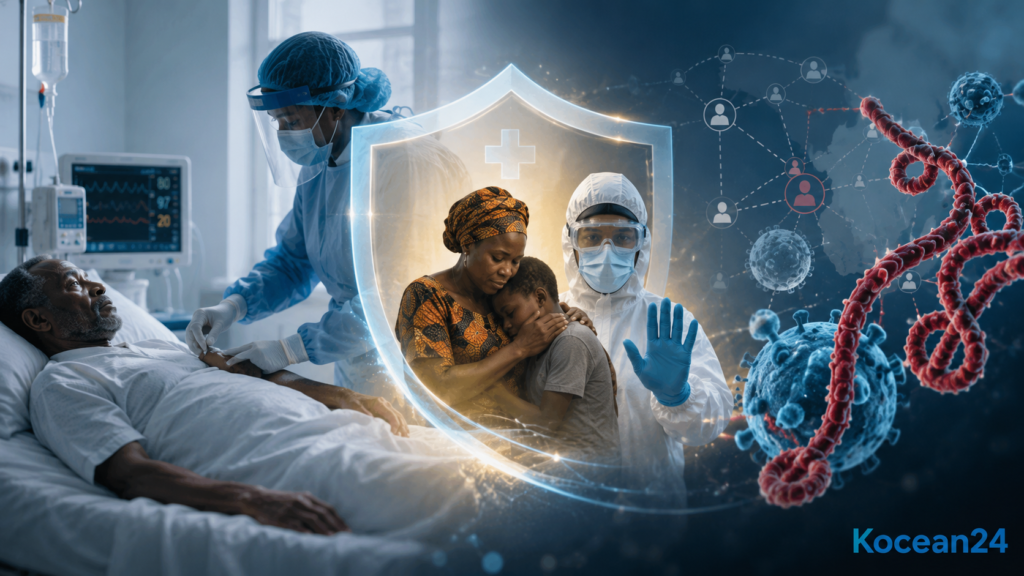
The International Health Emergency
WHO declared the outbreak a public health emergency of international concern on May 17, 2026. The decision followed confirmed infections in the Democratic Republic of the Congo and Uganda, suspected community deaths, infections among health workers and major uncertainty about the true size of the outbreak. WHO also noted that no approved Bundibugyo virus specific vaccine or treatment was available. (World Health Organization, May 17, 2026, Epidemic of Ebola Disease Caused by Bundibugyo Virus in the Democratic Republic of the Congo and Uganda Determined a Public Health Emergency of International Concern) (https://www.who.int/news/item/17-05-2026-epidemic-of-ebola-disease-in-the-democratic-republic-of-the-congo-and-uganda-determined-a-public-health-emergency-of-international-concern)
The declaration calls for coordinated international action. It does not mean every country faces the same level of danger. The greatest risk remains within affected communities and nearby areas connected through regular population movement.
What Health Authorities Must Do Now
Bringing down the Ebola death toll requires more than opening additional isolation centers. Authorities must make those centers safe, accessible and trusted.
Testing needs to produce results quickly. Long waits can cause frightened patients to leave before receiving a diagnosis. Ambulances must arrive without dangerous delays. Health workers need protective equipment, infection control training, dependable pay and security.
Communication must also become a core part of treatment. Response teams should answer questions directly, correct false claims without insulting residents and allow families to understand what is happening to their loved ones.
Safe burial practices should respect local customs wherever possible. Families can be given meaningful ways to participate without coming into unsafe contact with the body.
What Communities Can Do
Residents should report possible symptoms quickly, especially after contact with someone who is ill or has died from suspected Ebola. Families should avoid direct contact with blood and other body fluids and follow instructions from trained health professionals.
People should verify claims before sharing them. A dramatic voice message or social media post can create panic within minutes, but correcting the damage may take days.
Readers can find continuing global health and public safety coverage through Kocean24 at https://kocean24.com/
.
Conclusion
The Ebola death toll is rising in an environment shaped by fear, distrust, insecurity, limited medical resources and delayed access to care.
Stopping the outbreak requires health centers that people can reach and responders they are willing to trust. Authorities must listen before they instruct, explain before they isolate and work with communities rather than around them.
Every patient who seeks care early gives medical teams a better chance to save a life and interrupt transmission. Rebuilding trust is therefore not an optional communication exercise. It is one of the most important tools available for reducing the Ebola death toll and bringing the outbreak under control. Let’s try together and fight the pandemic.