Physical Address
304 North Cardinal St.
Dorchester Center, MA 02124
Physical Address
304 North Cardinal St.
Dorchester Center, MA 02124

Rod Liddle (April 1, 1960- August 2, 2026) built a career that demanded attention whenever his name appeared in print or on air. Some readers admire his fearless opinions and others strongly reject his arguments. Few journalists could spark such intense debate for so many years. His death at 66 leaves a clear gap in British journalism. It also raises an important question about whether modern media still has room for writers with truly independent voices. This article examines the career, influence, controversy, and enduring legacy that made Rod Liddle one of Britain’s most recognizable commentators.
Rod Liddle died on August 2, 2026, after a short illness. He was 66. The journalist and broadcaster passed away at James Cook University Hospital in Middlesbrough.
His children, Wilder, Tyler, and Emmy, said they were shocked and saddened by the sudden loss of their father. They remembered him as inquisitive, brave, and humorous. Their statement also described the pride they felt in the legacy he left behind. (The Guardian, Michael Savage, August 3, 2026, Sunday Times and Sun columnist Rod Liddle dies aged 66) (https://www.theguardian.com/media/2026/aug/03/sunday-times-and-sun-columnist-journalist-rod-liddle-dies-aged-66)
At the time of his death, Rod Liddle remained a major presence across British print and radio. He wrote for The Sunday Times, The Sun, and The Spectator. He also presented a Saturday program on Times Radio. His work reached readers and listeners across several generations.
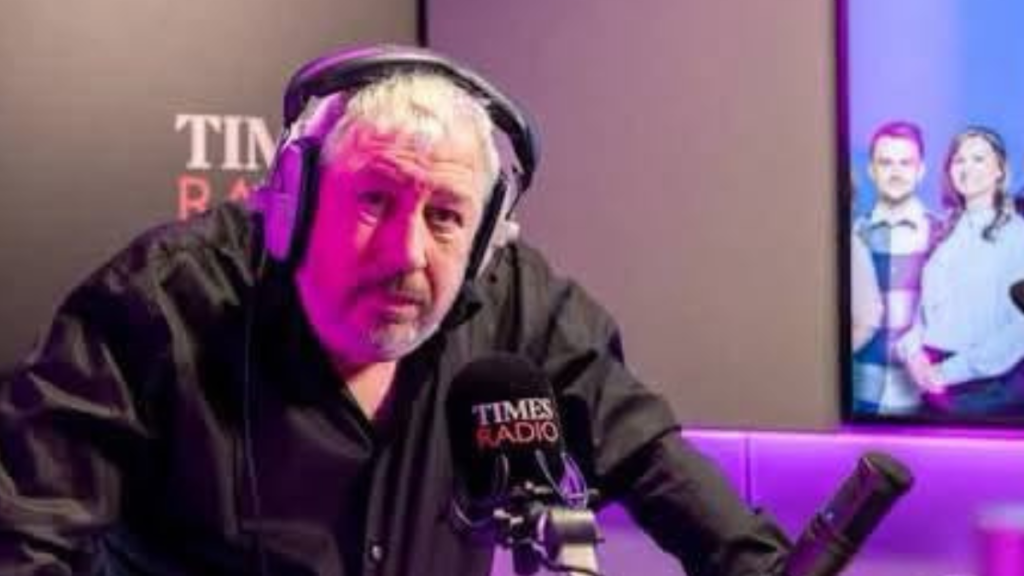
The official reaction showed how deeply his presence had become connected to British public life. Editors, broadcasters, political figures, and former colleagues paid tribute to his talent. Many also acknowledged that his work often divided opinion.
Rod Liddle did not build his reputation through one newspaper alone. His career moved through local reporting, political communications, public broadcasting, national newspapers, magazines, television, and radio.
He began in journalism at the South Wales Echo. He later studied social psychology at the London School of Economics. He also worked as a researcher and speechwriter for the Labour Party before joining the BBC.
This diversified background gave him experience inside both politics and journalism. It helped him understand how institutions communicate. It also gave him a sharp awareness of the distance that can exist between political language and public experience.
Rod Liddle became editor of BBC Radio 4’s Today program in 1998. The position placed him at the center of one of Britain’s most influential news broadcasts.
Today helps shape the morning political agenda. Ministers, opposition leaders, campaigners, and experts regularly face detailed questioning on the program. Editing it requires judgment, speed, confidence, and a strong understanding of national affairs.
Under his leadership, the program became more aggressive and competitive. Investigative reporting gained greater prominence. Its audience also grew very high.
His period at the BBC ended in 2002 after a conflict over his newspaper commentary. The corporation expected senior editorial figures to maintain political impartiality. Rod Liddle wanted to continue writing direct opinion columns. He chose the freedom of commentary over remaining in his BBC position.
The decision shaped the next phase of his career. His career path was really diversified. Rod Liddle began at the South Wales Echo, worked for Labour, joined the BBC, and later transformed the tone of Today through greater competition and investigative journalism. (The Guardian, Stephen Bates, August 4, 2026, Rod Liddle obituary) (https://www.theguardian.com/media/2026/aug/04/rod-liddle-obituary)
The importance of Rod Liddle cannot be measured only through his job titles. His influence came from the way he wrote, the reactions he created, and the relationship he developed with readers.
Many journalists can explain an issue clearly. Far fewer develop a voice that readers can recognize within a few sentences.
Rod Liddle wrote with humor, anger, irony, and conviction. His work rarely sounded cautious or processed. It sounded personal. He approached political and cultural debates as arguments that demanded a direct answer.
This style gave his columns energy. He could turn a complicated policy dispute into an accessible discussion. He also used satire to attack what he viewed as hypocrisy or empty language.
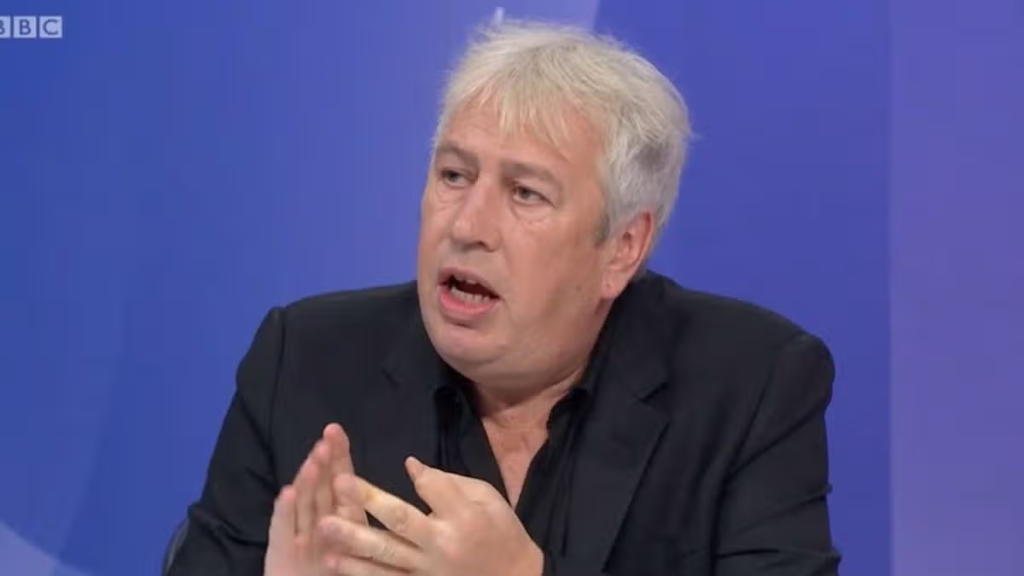
His commentary was not designed to please every reader. It was meant to provoke thought and reaction. This approach made him difficult to ignore.
Successful columnists create a bond with their audience. Readers return because they expect a particular voice, judgment, or emotional experience.
Rod Liddle understood this connection. He wrote for people who often felt ignored by political leaders and cultural institutions. He frequently focused on frustration outside London’s professional media world.
His former editor Fraser Nelson described a writer who cared deeply about his readers. Nelson also highlighted his ability to capture attention from the first line. It helped explain why his work remained widely read even when it caused strong criticism.
Fraser Nelson remembered Rod Liddle as an original writer whose humor, curiosity, and concern for readers gave his journalism unusual power. (The Times, Fraser Nelson, August 3, 2026, The Rod Liddle I knew loved his readers — and they loved him) (https://www.thetimes.com/uk/media/article/rod-liddle-fraser-nelson-spectator-f5kzrw7gn)
Rod Liddle brought experience from several corners of the media world. He had led a major newsroom, worked behind the microphone, and built a long career in national newspapers. That background gave him a clear understanding of editorial pressure, tight deadlines, audience expectations, and the risks that come with public controversy.
His varied background added depth to his journalism. Experience inside the BBC gave him a close view of editorial decision making. Regular columns tested his judgment under constant deadlines, while live radio demanded speed, confidence, and precision.
His work at Times Radio introduced his commentary to listeners who may not have followed his newspaper columns. The move also proved that his ideas could travel across different platforms. As the media landscape shifted, he remained relevant by meeting audiences wherever they chose to engage.
Newspapers faced shrinking print circulation. Digital platforms became more powerful. Social media transformed how opinion traveled. Yet Rod Liddle remained visible because his central strength was not tied to one format. It was tied to voice.
British journalism still has many opinion writers. However, fewer possess the combination of editorial experience, cultural knowledge, humor, and unpredictability that defined Rod Liddle.
Digital media rewards speed. It often encourages immediate reactions. Writers can gain attention through outrage without building a serious body of work.
Rod Liddle built influence over decades. His reputation came from consistent production across major institutions. He did not become important because of one viral moment. He became important because readers continued to seek his work.
Years of consistent commentary earned him lasting influence. Supporters followed his arguments closely, while opponents still recognized his power to steer public discussion.
His death therefore removes more than one columnist from a newspaper. It ends a weekly conversation between a distinctive writer and a large audience.
Rod Liddle’s legacy includes repeated disputes over accuracy, race, religion, gender, and the limits of provocative commentary. The clearest regulatory case came in 2010, when the Press Complaints Commission upheld a complaint against a Spectator blog post.
Liddle had claimed that young African Caribbean men committed the overwhelming majority of several violent crime categories in London. The regulator found that The Spectator could not substantiate the statement and ruled that it breached Clause 1 on accuracy. It was the first complaint upheld by the commission over a journalist’s blog published by a newspaper or magazine.
The ruling also established a firm principle. Online opinion pieces remained subject to the same factual standards as printed commentary. (The Guardian, John Plunkett, March 30, 2010, Rod Liddle censured by the PCC) (https://www.theguardian.com/media/2010/mar/29/rod-liddle-pcc-spectator)
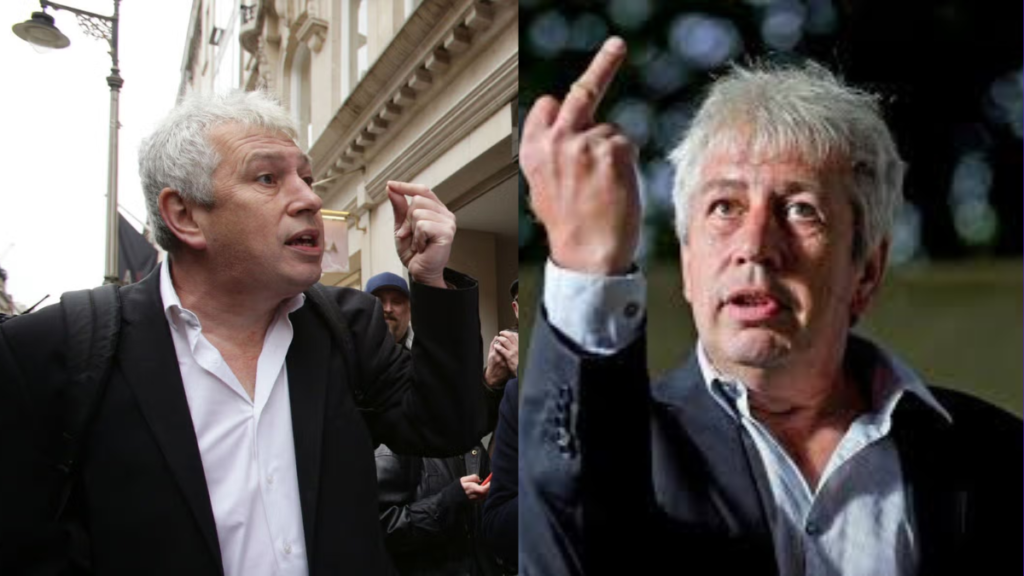
The case explains why assessments of Rod Liddle remain divided. Supporters valued his resistance to cautious language and editorial conformity. Critics argued that forceful opinion lost legitimacy when factual claims could not withstand scrutiny. His career therefore became a continuing test of where robust expression ends and journalistic responsibility begins.
Calling Rod Liddle influential does not mean every opinion deserves approval. Journalism can matter even when it causes discomfort or disagreement.
His strongest contribution came from challenging predictable thinking. He questioned politicians, broadcasters, campaign groups, and cultural institutions. He also criticized both left wing and right wing figures.
Political labels never fully contained Rod Liddle. His roots in Labour politics did not stop him from becoming a fierce critic of the contemporary left. His shift toward conservative views also failed to turn him into a predictable defender of every right wing argument.
Readers could not always predict his response. That uncertainty made his columns more engaging.
A commentator becomes predictable when party loyalty determines every conclusion. Rod Liddle relied more heavily on personal judgment, even when his position invited criticism. This approach preserved the independence and distinct character of his work.
The modern media environment is crowded. Thousands of opinions appear online every hour. Yet volume does not guarantee depth.
Rod Liddle’s career proved that a strong journalistic identity can still cut through a crowded media landscape. His work carried a recognizable tone, direct arguments, and a willingness to take risks. Effective commentary, however, depends on more than provocation. It requires sharp timing, broad knowledge, disciplined writing, and a clear understanding of the audience. Experience in reporting, editing, print, and broadcasting gave him an unusually complete view of how public debate is shaped.
Kocean24 also approaches tribute journalism by connecting the death of a public figure with the work that created a lasting legacy. Its article about Robert Duvall examines the performances that made the actor’s influence endure beyond his lifetime. (Kocean24, Fred Laxy, February 17, 2026, Robert Duvall: 7 Powerful Roles That Made Him Immortal) (https://kocean24.com/robert-duvall-7-powerful-roles/)
Rod Liddle’s career shows how voice, knowledge, accuracy, and audience awareness can shape lasting influence in modern journalism.
The strongest lessons are clear:
Build a Distinct Voice
Readers remember writers who sound original. A clear style creates recognition, trust, and long term relevance.
Know More Than One Beat
Experience across politics, broadcasting, print, and culture gave Rod Liddle greater depth. Broad knowledge helps journalists connect ideas and explain complex issues with confidence.
Pair Courage With Accuracy
Provocation can attract attention, but evidence gives an argument credibility. Bold commentary must remain grounded in verifiable facts.
Understand the Audience
Strong writers recognize public concerns without simply repeating popular views. They inform readers, challenge assumptions, and encourage deeper thought.
Protect Editorial Independence
Party loyalty can weaken analysis when it controls every conclusion. Independent judgment allows journalists to question allies as firmly as opponents.
Accept Responsibility
Influence brings consequences. Writers must consider accuracy, fairness, and the impact of their language while defending open debate.
Rod Liddle leaves behind a legacy that reaches far beyond columns and broadcasts. A career defined by conviction, originality, and a willingness to challenge accepted thinking made him one of the most influential voices in British journalism. The death of Rod Liddle at 66 marks the loss of a distinctive commentator whose work shaped public debate for decades. The conversations sparked through that journalism will continue to influence media, politics, and opinion for years to come. Rest in peace, Rod Liddle.