
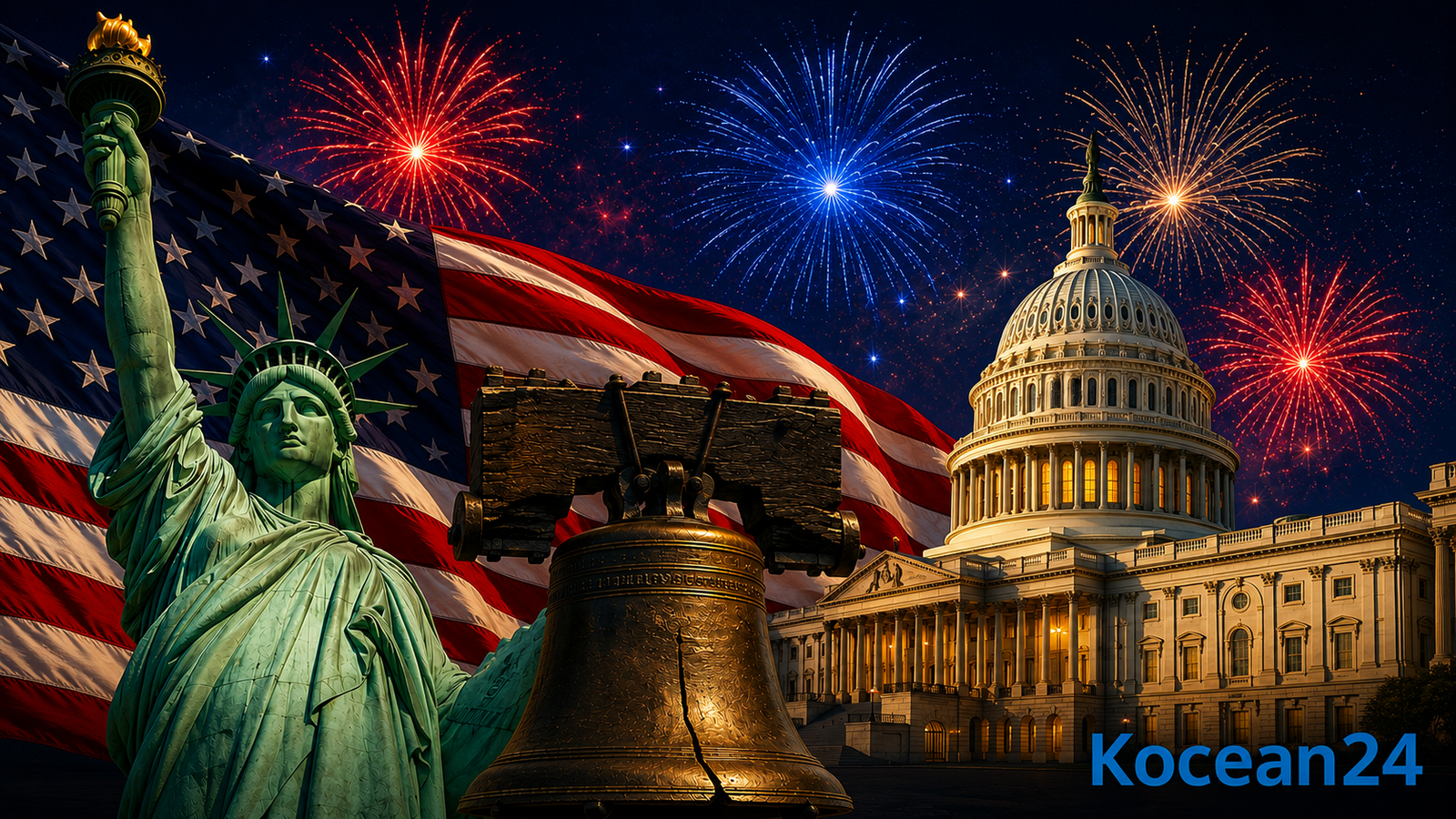
Cuatro de Julio 2026 will not feel like an ordinary Fourth of July. Fireworks will light the sky, but the deeper story is 250 years of American independence. America250 turns this celebration into a historic moment of memory, pride, reflection, and national identity for the United States and the world.
Table of Contents
Why Cuatro de Julio 2026 Carries Historic Weight
Cuatro de Julio 2026 marks 250 years from July 4, 1776, the date when the Continental Congress adopted the Declaration of Independence. The National Archives states that “The Continental Congress adopted the Declaration of Independence on July 4, 1776” and that delegates began signing the engrossed parchment copy on August 2, 1776. (National Archives, July 1, 2021, Declaration of Independence 1776) (https://www.archives.gov/milestone-documents/declaration-of-independence)
Many people think July 4 was simply the signing day. The actual story is more layered. Congress voted for independence on July 2, adopted the Declaration on July 4, and the signing process began later. The public holiday became tied to July 4 because that was the date printed on the Declaration and remembered as the formal announcement of separation from Britain.
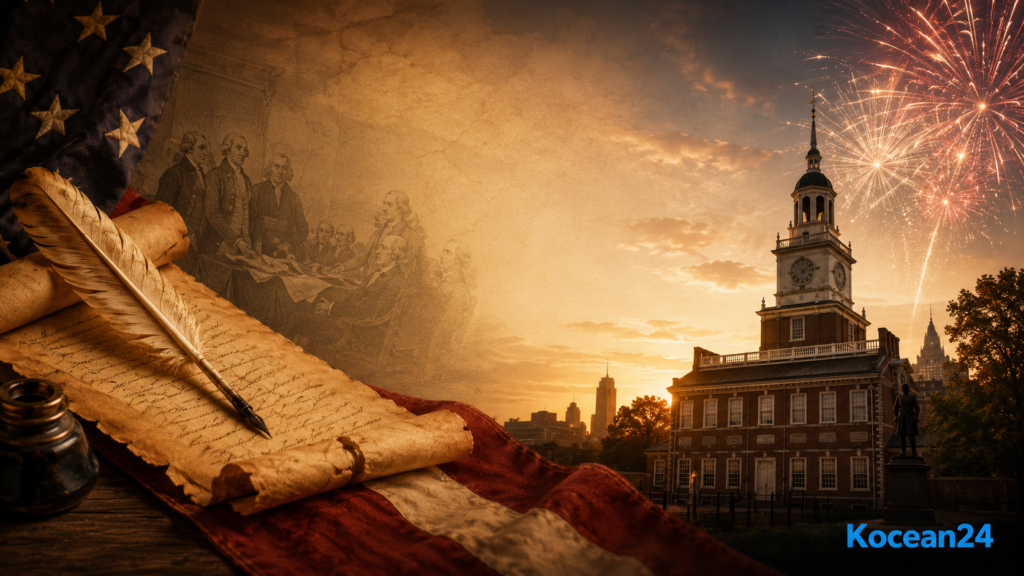
Cuatro de Julio 2026 therefore celebrates more than a date. It marks the moment when 13 colonies declared a new political identity. The idea was bold for its time. It challenged monarchy, claimed the right of self government, and placed political legitimacy in the consent of the governed.
What the Declaration of Independence Actually Changed
The Declaration did not create the full legal framework of the United States. That role later belonged to the Constitution. But the Declaration gave the American Revolution its moral language. It explained why the colonies believed separation was necessary and why government must answer to human rights and public consent.
The Library of Congress explains that on July 4, 1776, the Second Continental Congress adopted the Declaration, “announcing the colonies’ separation from Great Britain.” (Library of Congress, Today in History, July 4, Independence Day) (https://www.loc.gov/item/today-in-history/july-04/)
This is why Cuatro de Julio 2026 has value beyond ceremony. It is a chance to explain how political language can shape generations. The words of the Declaration helped define American national identity, but they also created a public standard by which later generations judged the country. Movements for civil rights, voting rights, equality, and democratic reform repeatedly returned to the founding language and asked whether the nation was living up to its stated principles.
America250 and the National Moment
Cuatro de Julio 2026 is also connected to America250, the broad national commemoration of the country’s 250th anniversary. This milestone is being marked through public programs, historical reflection, community events, educational projects, and national celebrations.
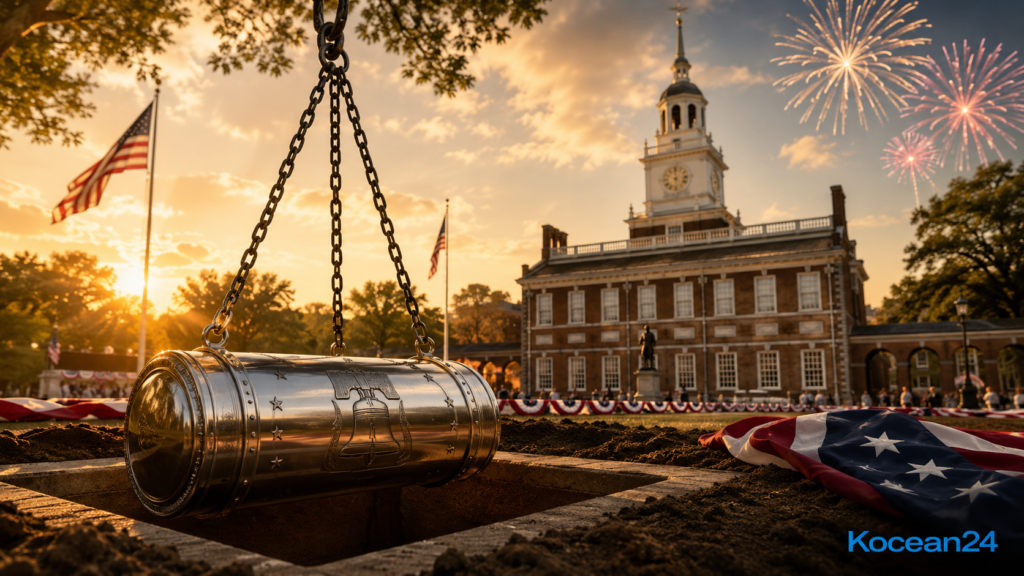
America250 announced that a time capsule would be buried at Independence National Historical Park on July 4, 2026 and reopened in 2276. (America250, June 15, 2026, America250 Officially Seals America’s Time Capsule and Reveals Final Contents Ahead of July 4 Burial in Philadelphia) (https://america250.org/news/america250-officially-seals-americas-time-capsule-and-reveals-final-contents-ahead-of-july-4-burial-in-philadelphia/)
That symbolic act captures the deeper meaning of the anniversary. A time capsule is not only about preserving objects but also to send a message to the future. Cuatro de Julio 2026 asks the present generation to decide what version of America should be remembered 250 years from now.
The anniversary will likely bring celebration, debate, pride, criticism, and reflection at the same time. That is normal for a country with a long and complicated history. National milestones are strongest when they allow people to celebrate progress without ignoring unfinished questions.
Why the 4th of July Speaks Beyond America
Cuatro de Julio 2026 will naturally focus on the United States, but the story has global interest. The Declaration of Independence became part of a wider conversation about liberty, human rights, democracy, and national self determination. Its influence has reached far beyond American borders because its claims were written in universal language.
The National Archives says the Declaration “continues to inspire people around the world to fight for freedom and equality.” (National Archives, February 6, 2026, The Declaration of Independence) (https://www.archives.gov/founding-docs/declaration)
That does not mean American history has been simple or perfect. It means the founding document created ideals that kept challenging the country itself. The strongest reading of Cuatro de Julio 2026 is not blind celebration. It is informed reflection. The anniversary gives readers a reason to ask what freedom meant in 1776, what it means now, and how public ideals become real in daily life.
The Spanish Phrase Adds a Cultural Layer
Cuatro de Julio means Fourth of July in Spanish. Using the phrase gives the topic a broader cultural tone because the United States is home to millions of Spanish speaking people and has deep cultural ties across the Americas. Cuatro de Julio 2026 can therefore speak to readers beyond one language group.
This framing also helps the article reach people searching in different ways. Some readers may search for Fourth of July 2026. Others may search for America250. Some may search for Cuatro de Julio 2026 because they are looking for Spanish language context around the same anniversary. A clear article can connect all 3 without forcing the keyword.
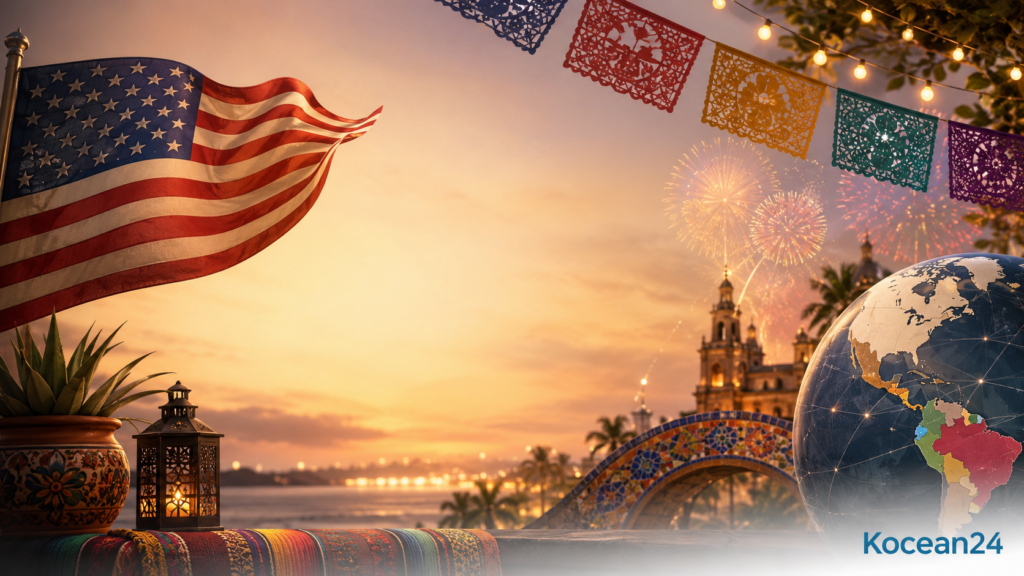
For Kocean24, this is a useful angle. It turns a national celebration into a global learning moment. The audience does not need to be American to understand why 250 years of independence matters.
A Celebration That Should also Educate
Cuatro de Julio 2026 will be visually powerful. Fireworks, flags, concerts, public ceremonies, and social media campaigns will shape the mood of the day. But the real value appears when celebration leads to understanding.
Kocean24 has covered how public attention can turn a headline into wider awareness when the story is explained with context and responsibility. (Kocean24, Ava Grace, May 21, 2026, Vanessa Trump Breast Cancer Sparks Powerful Return of Health Awareness) (https://kocean24.com/vanessa-trump-breast-cancer-health-awareness/)
The same content principle applies here. A viral image of fireworks may get attention for a few seconds. A clear explanation of America250 can help readers understand why the moment matters. That is where educational media has a role. It can make national history readable, visual, and relevant without making it shallow.
Cuatro de Julio 2026 should not be reduced to decoration. The stronger story is the journey from colonial protest to independence, from founding promise to national growth, and from historical memory to future responsibility.
What Readers Should Remember
Cuatro de Julio 2026 is important for 3 simple reasons.
First, it marks 250 years since the Declaration of Independence was adopted in 1776.
Second, it connects the Fourth of July with America250, a national commemoration that looks both backward and forward.
Third, it reminds people that independence is not only a historical event. It is a continuing conversation about liberty, rights, responsibility, citizenship, and national identity.
The best way to cover this topic is to keep it factual, human, and clear. The story should respect the celebration while explaining the history behind it. It should honor the milestone without pretending that history has no conflict. That balance makes the topic stronger and more useful for readers.
Conclusion
Cuatro de Julio 2026 is a rare historical moment. It marks 250 years of American independence and gives the world a reason to revisit the Declaration of Independence, America250, and the meaning of the Fourth of July.
The anniversary is bigger than fireworks. It is about memory, ideals, identity, progress, and responsibility. For Kocean24 readers, the real message is simple. A national birthday becomes more powerful when people understand the history behind the celebration and the future it asks them to imagine.